 Living Beings
Compare species
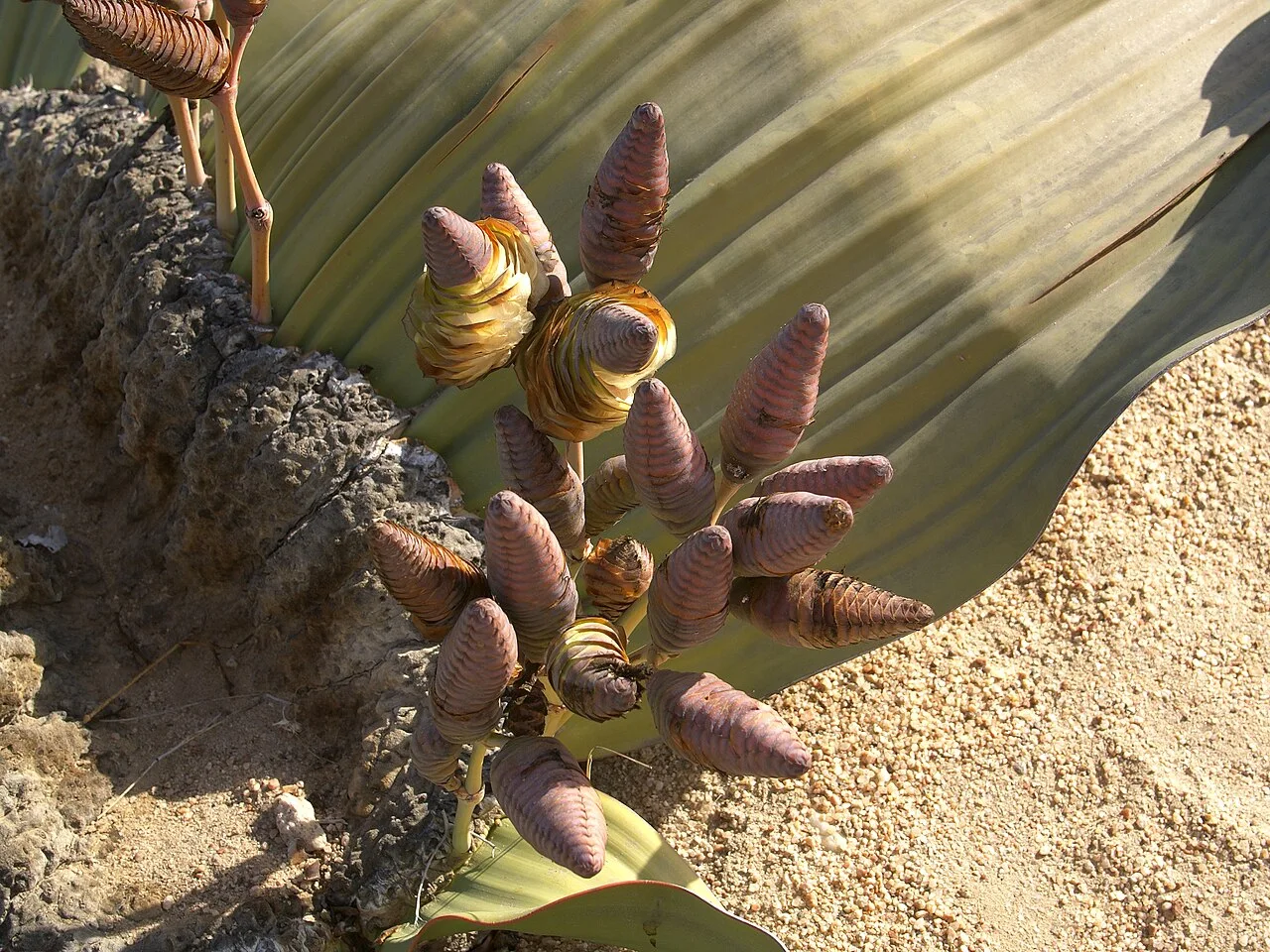
Welwitschia
Welwitschia mirabilis
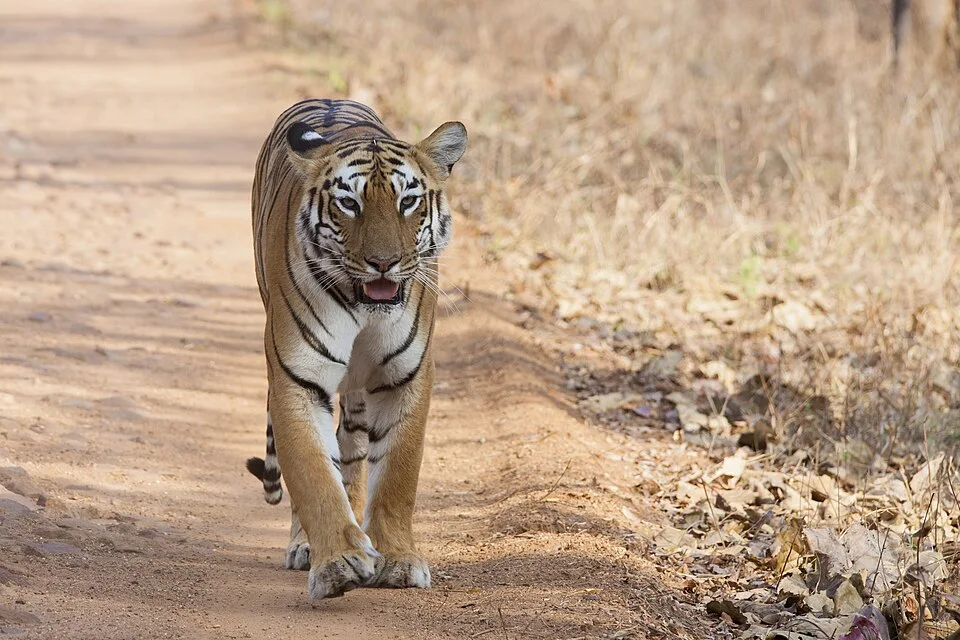
Tiger
Panthera tigris
Evidence from the profiles
Compare their characteristics
| Trait | Welwitschia | Tiger |
|---|---|---|
| Nutrition | Data unavailable | Carnivorous Source ↗ |
| Social organization | Not applicable | Generally solitary Source ↗ |
| Physical traits | A low, woody stem supports two long strap-like leaves. Torn leaf tips can create the impression of many leaves, although the underlying arrangement remains a pair. | Dark stripes break up the tiger’s outline. Stripe patterns vary from one individual to another. |
| Habitat and range | Arid landscapes of the Namib region expose plants to intense sun, wind and scarce, irregular water. | Tigers live in varied habitats, including tropical forests, mangrove swamps and temperate forest. |
| Diet and nutrition | The persistent green leaves carry out photosynthesis. Water availability includes moisture in the soil; the plant should not be described as depending exclusively on direct fog absorption. | Tigers mainly hunt large mammals, including deer and wild pigs. |
| Behavior and activity | Data unavailable | A tiger usually hunts by stalking its prey and attacking at close range. |
| Reproduction and life cycle | Male and female cones occur on different plants. Insects visit the reproductive structures, and winged seeds provide a means of dispersal. | Data unavailable |
| Geographic distribution | Native to Namibia and Angola. Its unusual form belongs to a geographically restricted desert lineage. | Data unavailable |
| Ecological role | Its survival strategy illustrates a distinctive response to desert conditions, rather than a plant that has stopped evolving. | Data unavailable |
| Distinctive adaptations | Continued growth from protected leaf bases allows the same foliage to persist despite damage at its exposed ends. | Data unavailable |
Classification
Shared ancestry
Closest shared taxon: Eukaryota.