 Living Beings

 Framed for display
Species · Canis
Gray Wolf
Canis lupus
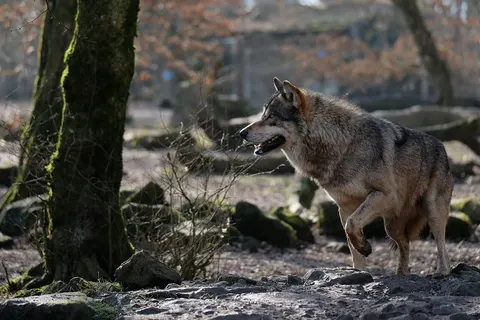
Gray wolves are social canids whose family groups coordinate travel, defense and the care of young. Their behavior is flexible: prey, terrain …
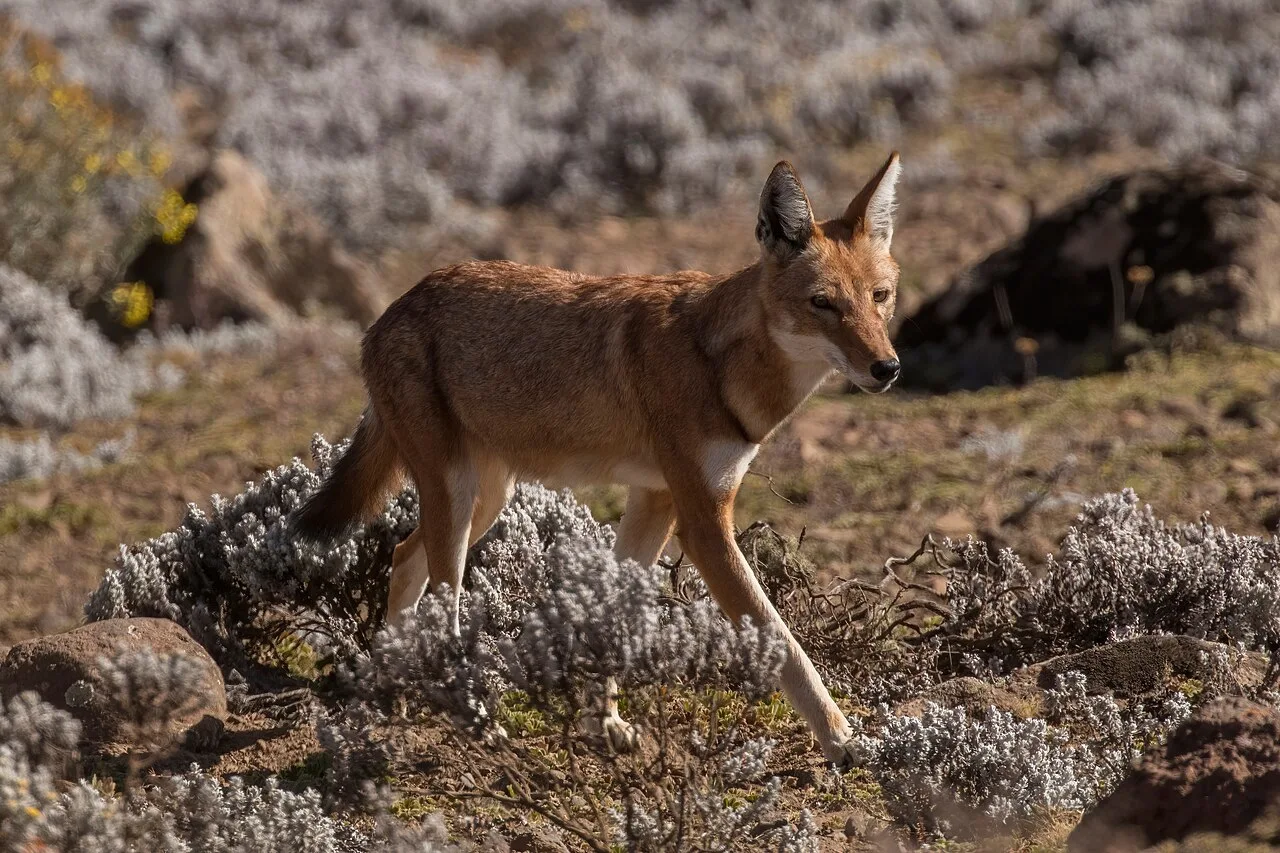
Ethiopian wolf (Canis simensis citernii).jpg · Resized and converted to WebP for display. AI-generated illustration. Charles J. Sharp · CC BY-SA 4.0
Field guide · species
Canis simensis
The Ethiopian wolf is a specialized hunter of highland rodents. Its ecological niche differs from that of wolves that regularly cooperate to pursue large ungulates.
Public research profile · final editorial review pending.
Complete source lineage, including intermediate ranks. The standard view uses Life and the eight principal ranks.
Long legs, a narrow muzzle and reddish fur contrasting with pale markings are characteristic.
Afro-alpine grasslands and heathlands support the rodents on which it depends.
Rodents are the principal prey, often captured by individual hunters.
Ethiopian wolves form social packs even though much feeding takes place alone. Group living and hunting strategy need not follow the same pattern.
The Mammal Diversity Database v2.5 records this species in Ethiopia.
Shared classification
Framed for display
Canis lupus
Gray wolves are social canids whose family groups coordinate travel, defense and the care of young. Their behavior is flexible: prey, terrain …
 Framed for display
Vulpes vulpes
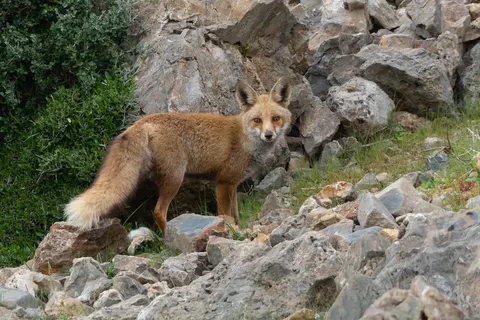
The red fox is a small canid with a pointed muzzle, large ears and a conspicuous tail. Its flexible feeding habits help …
 Framed for display
Vulpes lagopus
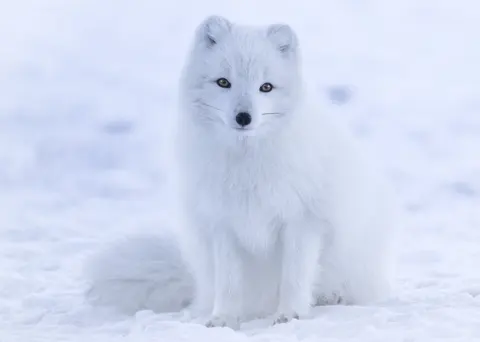
The Arctic fox is a small northern canid adapted to cold, open landscapes. Dense fur, compact ears and fur-covered feet help it …
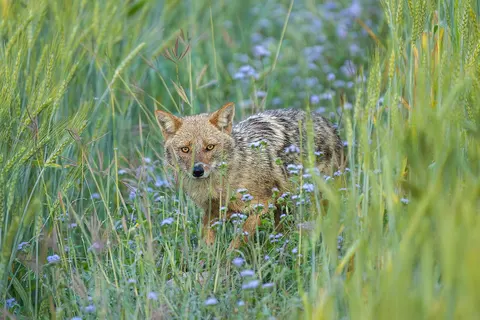 Framed for display
Canis aureus
The golden jackal is an adaptable canid whose common name has historically been applied too broadly. This account uses the current linked …
Evidence
Connected life
No reviewed ecological connections in the collection yet.
Explore network ↗