 Living Beings

 Framed for display
Species · Panthera
Leopard
Panthera pardus
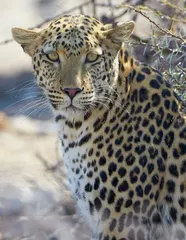
Rosettes, a muscular body and an unusually flexible choice of habitat distinguish the leopard. This solitary cat hunts from cover and can …
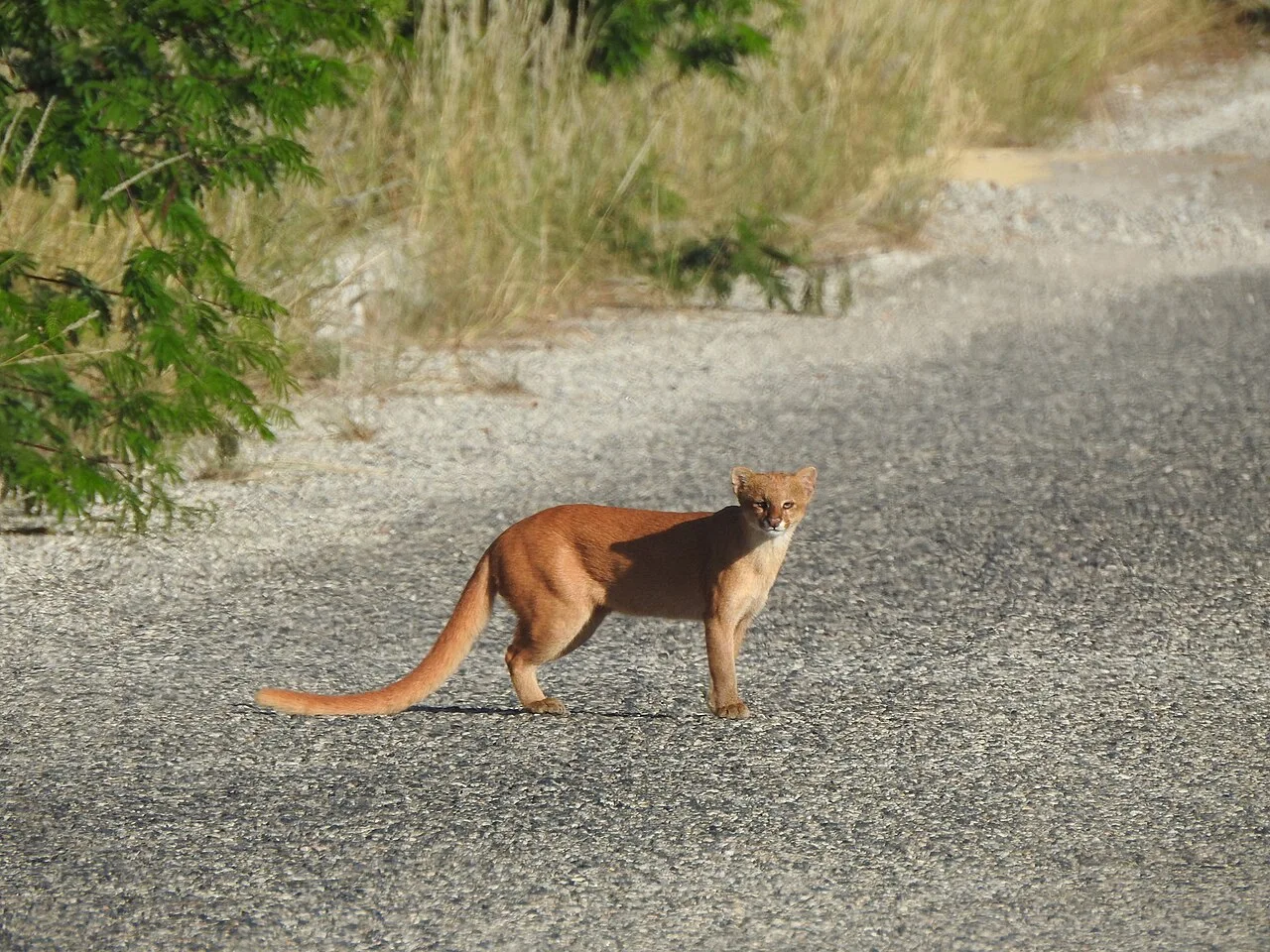
Herpailurus yagouaroundi - Adeilson Melo - 308737058.jpeg · Resized and converted to WebP for display. Adeilson Melo · CC BY 4.0
Field guide · species
Herpailurus yagouaroundi
Camera traps recorded the slender jaguarundi mainly by day in forests where ocelots were usually detected at night.
A small head, elongated body and relatively short legs produce a low outline. Coat color varies between darker and reddish forms.
Scrub, woodland, grassland edges and forested habitats can be used where adequate cover exists.
Small mammals, birds, reptiles and other small animals are hunted.
Observations include solitary animals and pairs. Limited encounters should not be turned into a rigid claim that every jaguarundi follows the same social routine.
Camera traps across Neotropical forests recorded jaguarundis chiefly during daylight. Ocelots, another cat using many of these forests, were recorded mainly at night. Looking at the hours when each species appeared helped the researchers compare use of time as well as shared habitat. Ground-level cameras record when animals pass the detector, so the results are strongest as a comparison within the surveyed places.
Scientific source 1 ↗ · Scientific source 2 ↗ · Scientific source 3 ↗
The Mammal Diversity Database v2.5 records this species in Argentina, Belize, Bolivia, Brazil, Colombia, Costa Rica, Ecuador, El Salvador, French Guiana, Guatemala, Guyana, Honduras, Mexico, Nicaragua, Panama, Paraguay, Peru, Suriname, Venezuela, United States?, Uruguay?.
Shared classification
Framed for display
Panthera pardus
Rosettes, a muscular body and an unusually flexible choice of habitat distinguish the leopard. This solitary cat hunts from cover and can …
 Framed for display
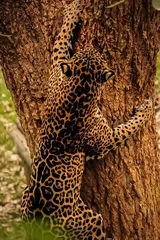
Panthera onca
The jaguar is the largest living cat native to the Americas. Its stocky build, broad head and rosetted coat suit an ambush …
 Framed for display
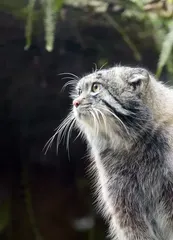
Otocolobus manul
Pallas’s cat is a compact-looking wild cat of Asian steppe and rocky landscapes. Its dense coat can make it look heavier than …
 Framed for display
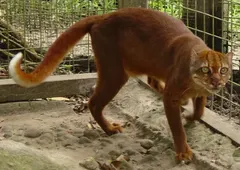
Catopuma badia
The bay cat is a rarely observed forest cat of Borneo. Because information remains limited, confident claims about its population or detailed …
Evidence
Connected life
No reviewed ecological connections in the collection yet.