 Living Beings

 Framed for display
Species · Canis
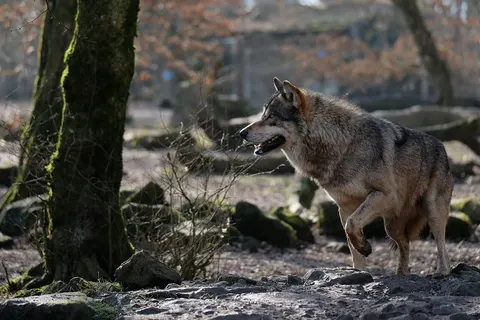
Gray Wolf
Canis lupus
Gray wolves are social canids whose family groups coordinate travel, defense and the care of young. Their behavior is flexible: prey, terrain …
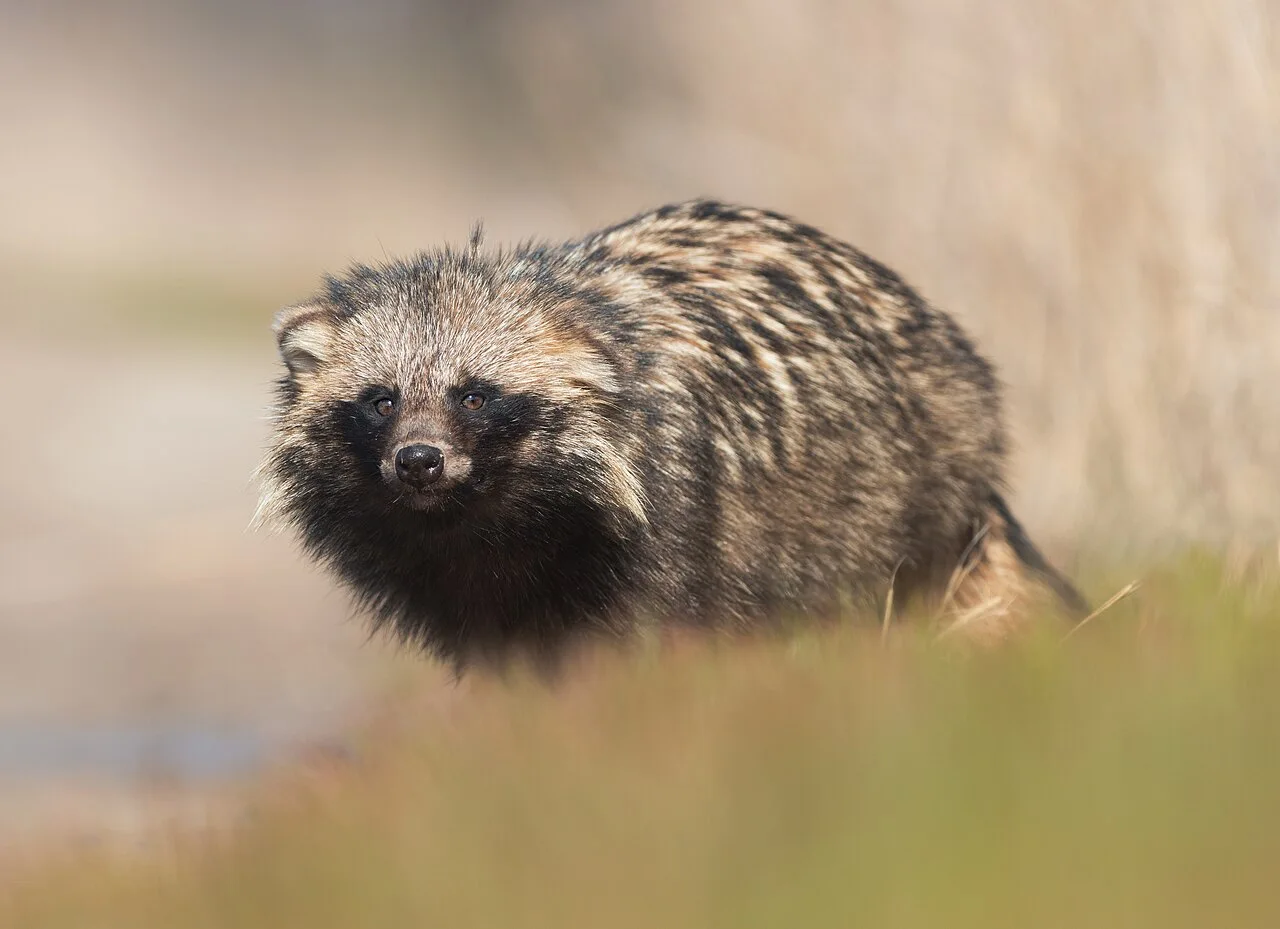
Єнотовидний собака (Nyctereutes procyonoides).jpg · Resized and converted to WebP for display. AI-generated illustration. Ryzhkov Sergey · CC BY-SA 4.0
Field guide · species
Nyctereutes procyonoides
The raccoon dog is a canid despite its raccoon-like facial pattern. This profile follows the linked species concept; references that included Japanese raccoon dogs may use a broader classification.
Public research profile · final editorial review pending.
Complete source lineage, including intermediate ranks. The standard view uses Life and the eight principal ranks.
A dark facial mask, dense coat and relatively compact body create its familiar appearance.
Forests, wetland margins and dense vegetation provide cover and varied foods.
Small animals, invertebrates, fruit and other plant material contribute to an opportunistic omnivorous diet.
Pairs and small family associations are important. Seasonal behavior varies across its wide climatic range rather than following one uniform schedule.
The Mammal Diversity Database v2.5 records this species in China, Mongolia, North Korea, Russia, South Korea, Vietnam.
Shared classification
Framed for display
Canis lupus
Gray wolves are social canids whose family groups coordinate travel, defense and the care of young. Their behavior is flexible: prey, terrain …
 Framed for display
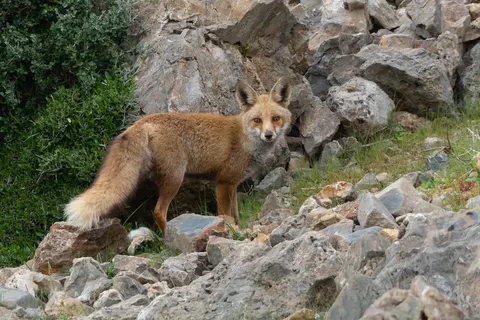
Vulpes vulpes
The red fox is a small canid with a pointed muzzle, large ears and a conspicuous tail. Its flexible feeding habits help …
 Framed for display
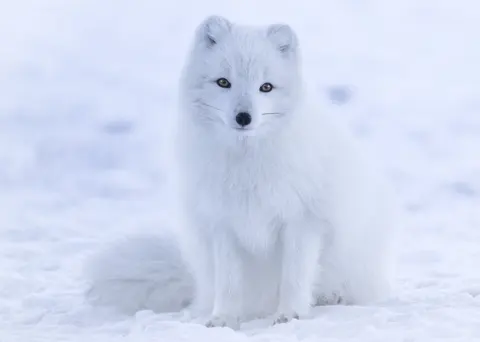
Vulpes lagopus
The Arctic fox is a small northern canid adapted to cold, open landscapes. Dense fur, compact ears and fur-covered feet help it …
 Framed for display
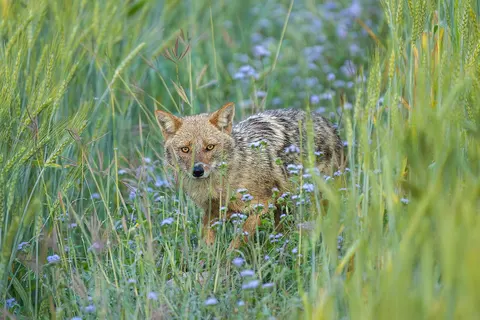
Canis aureus
The golden jackal is an adaptable canid whose common name has historically been applied too broadly. This account uses the current linked …
Evidence
Connected life
No reviewed ecological connections in the collection yet.
Explore network ↗