 Living Beings

 Framed for display
Species · Fomes
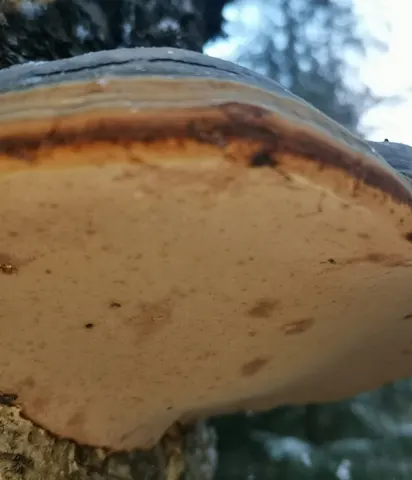
Tinder Fungus
Fomes fomentarius
The tinder fungus is a tough perennial bracket that often becomes hoof-shaped. Its woody fruiting bodies remain attached to hardwood and can …
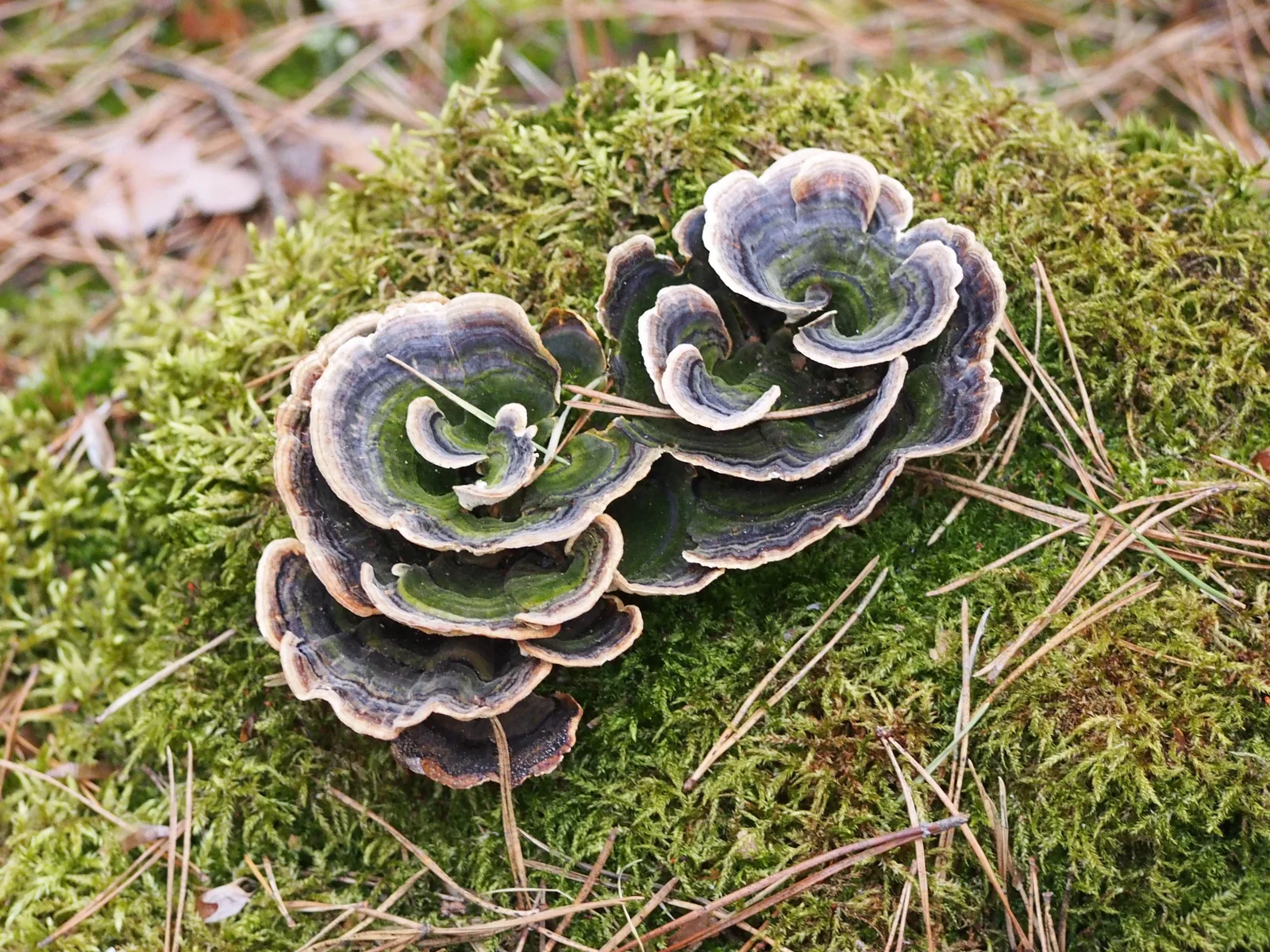
Trametes versicolor Wrośniak różnobarwny 2017-04-14 Radzików 01.jpg · Resized and converted to WebP for display. Source-identified documentary image; see the original file for method and context. AI-generated illustration. Agnieszka Kwiecień, Nova · CC BY-SA 4.0
Field guide · species
Trametes versicolor
Turkey tail forms thin, often overlapping brackets on dead wood. Its contrasting bands make it conspicuous, while its white-rot physiology enables breakdown of major components of woody plant tissue.
Public research profile · final editorial review pending.
Complete source lineage, including intermediate ranks. The standard view uses Life and the eight principal ranks.
Fan-shaped brackets show concentric color zones. Small pores on the underside distinguish the spore-bearing surface from a gilled mushroom.
Dead woody substrates provide both a growth surface and food. Fruiting brackets reveal only part of the mycelium within the wood.
Extracellular enzymes act on wood components. Studies have isolated lignin- and manganese-related peroxidase activities from this fungus.
Hyphae spread through a substrate while brackets expose the reproductive surface to the surrounding air.
Basidiospores are produced on the pore surface. Compatible fungal growth can establish a mycelium that later fruits.
The species is widely recorded, but local identification should distinguish similar bracket fungi.
White-rot decomposition returns elements from wood to the wider ecosystem.
A specialized enzyme repertoire supports use of chemically resistant woody material.
Shared classification
Framed for display
Fomes fomentarius
The tinder fungus is a tough perennial bracket that often becomes hoof-shaped. Its woody fruiting bodies remain attached to hardwood and can …
Evidence
Connected life
No reviewed ecological connections in the collection yet.
Explore network ↗