 Living Beings
Compare species
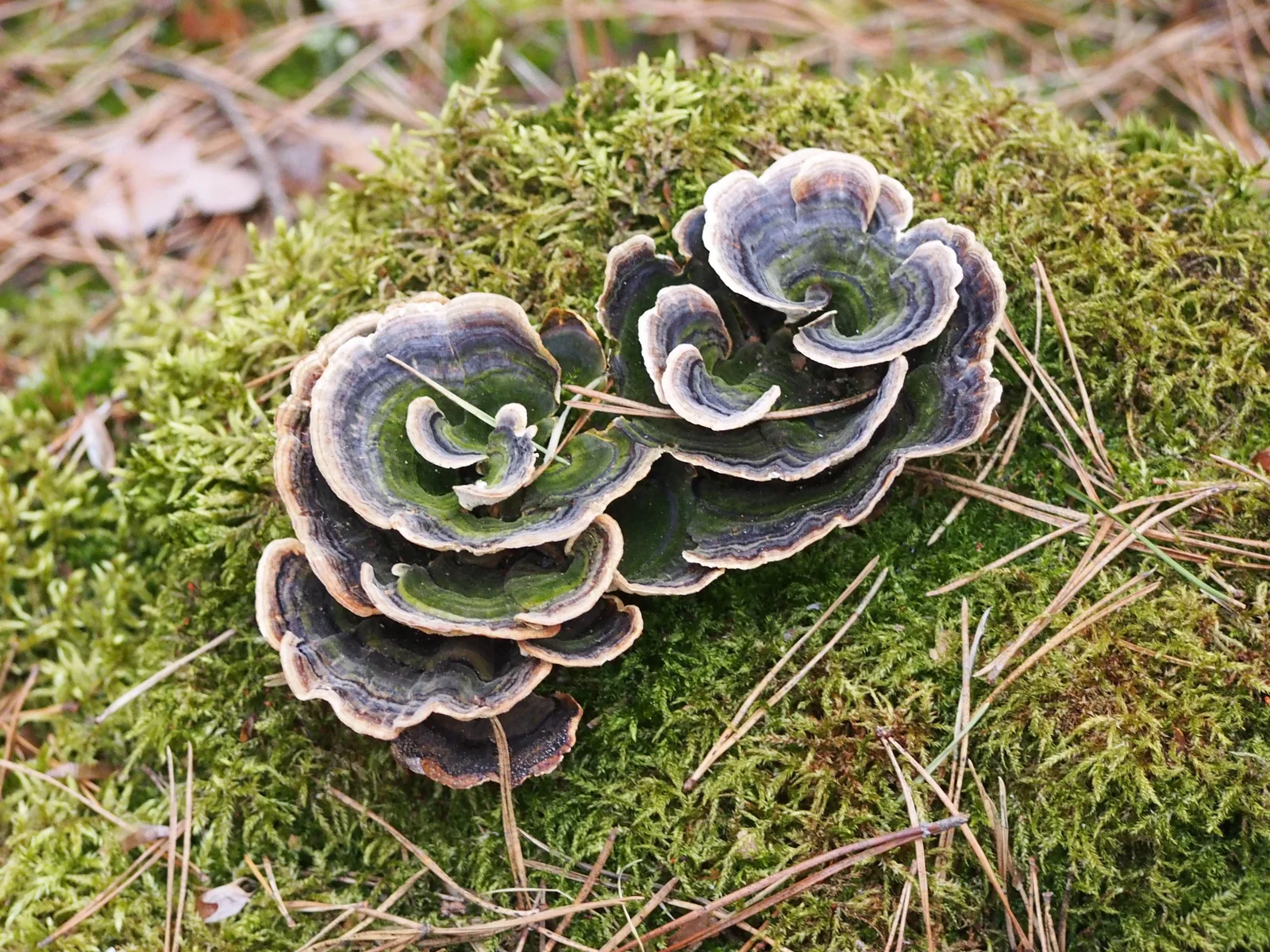
Turkey Tail
Trametes versicolor
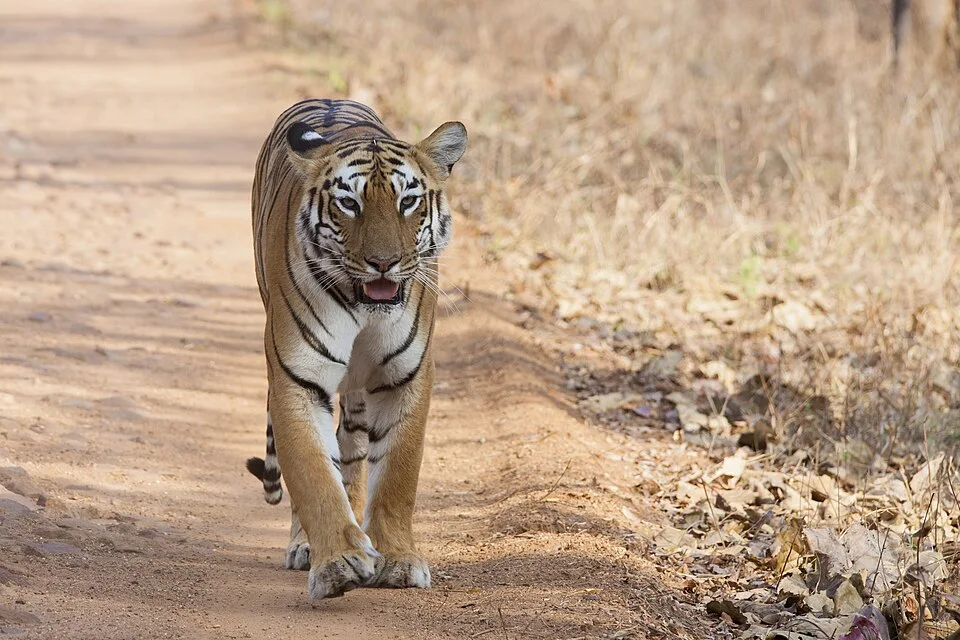
Tiger
Panthera tigris
Evidence from the profiles
Compare their characteristics
| Trait | Turkey Tail | Tiger |
|---|---|---|
| Nutrition | Data unavailable | Carnivorous Source ↗ |
| Social organization | Not applicable | Generally solitary Source ↗ |
| Physical traits | Fan-shaped brackets show concentric color zones. Small pores on the underside distinguish the spore-bearing surface from a gilled mushroom. | Dark stripes break up the tiger’s outline. Stripe patterns vary from one individual to another. |
| Habitat and range | Dead woody substrates provide both a growth surface and food. Fruiting brackets reveal only part of the mycelium within the wood. | Tigers live in varied habitats, including tropical forests, mangrove swamps and temperate forest. |
| Diet and nutrition | Extracellular enzymes act on wood components. Studies have isolated lignin- and manganese-related peroxidase activities from this fungus. | Tigers mainly hunt large mammals, including deer and wild pigs. |
| Behavior and activity | Hyphae spread through a substrate while brackets expose the reproductive surface to the surrounding air. | A tiger usually hunts by stalking its prey and attacking at close range. |
| Reproduction and life cycle | Basidiospores are produced on the pore surface. Compatible fungal growth can establish a mycelium that later fruits. | Data unavailable |
| Geographic distribution | The species is widely recorded, but local identification should distinguish similar bracket fungi. | Data unavailable |
| Ecological role | White-rot decomposition returns elements from wood to the wider ecosystem. | Data unavailable |
| Distinctive adaptations | A specialized enzyme repertoire supports use of chemically resistant woody material. | Data unavailable |
Classification
Shared ancestry
Closest shared taxon: Opisthokonta.
Sources from both profiles
Turkey Tail
- Trametes versicolor · NCBI Taxonomy ↗
- Isozymes of lignin peroxidase and manganese(II) peroxidase from the white-rot basidiomycete Trametes versicolor. I. Isolation of enzyme forms and characterization of physical and catalytic properties ↗
- Trametes versicolor — US Department of Energy Joint Genome Institute ↗