 Living Beings
Evidence from the profiles
Compare their characteristics
| Trait | Maize | Tiger |
|---|---|---|
| Nutrition | Data unavailable | Carnivorous Source ↗ |
| Social organization | Not applicable | Generally solitary Source ↗ |
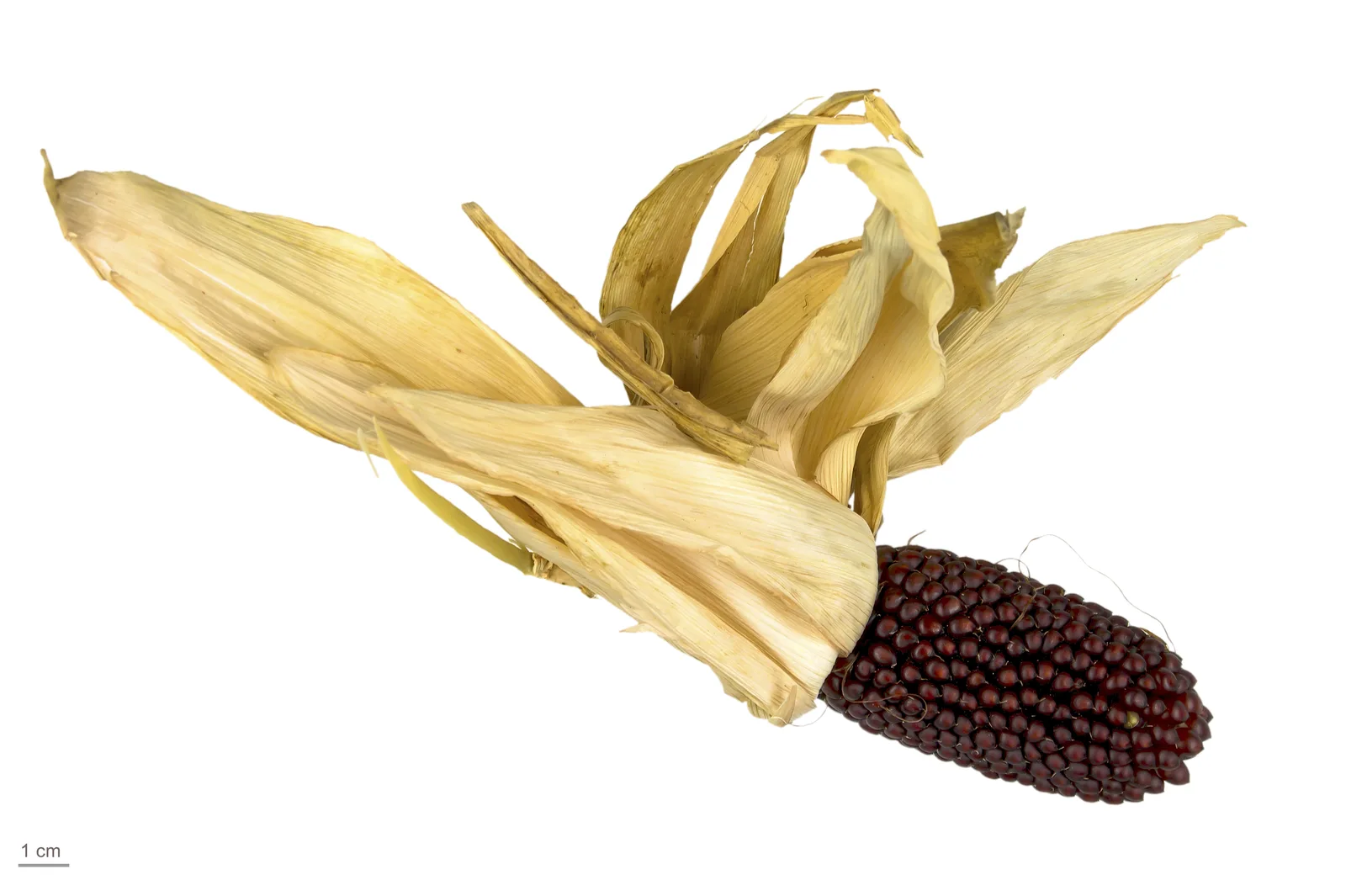
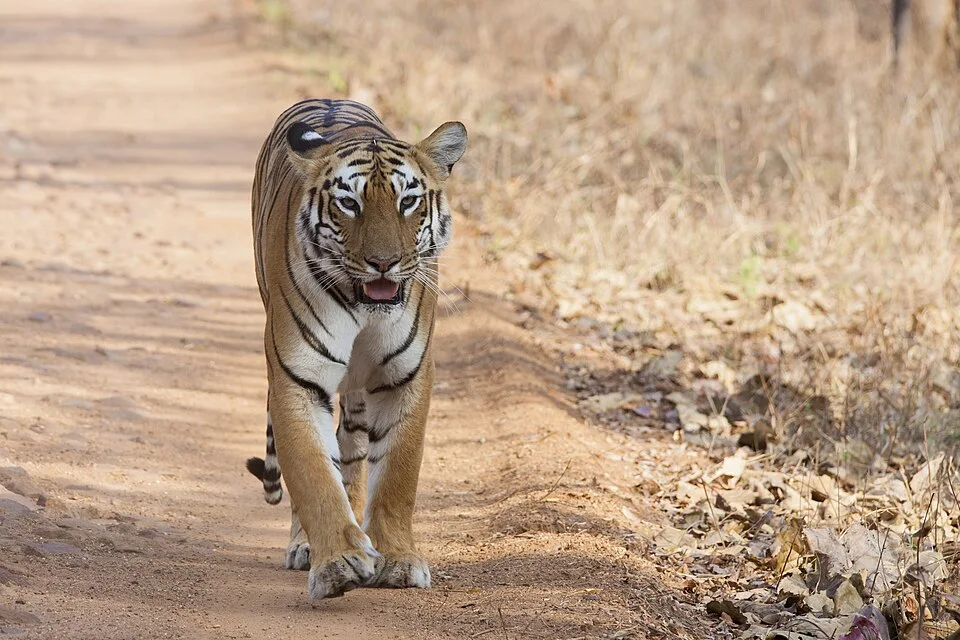
| Physical traits | An upright stem carries broad leaves. Tassels form near the top, while ears develop in leaf axils. | Dark stripes break up the tiger’s outline. Stripe patterns vary from one individual to another. |
| Habitat and range | Cultivation depends on suitable warmth, light, water and soil conditions. Different cultivars are adapted to different growing environments. | Tigers live in varied habitats, including tropical forests, mangrove swamps and temperate forest. |
| Diet and nutrition | Leaves produce sugars that support growth and developing kernels. Mature grain stores substantial reserves for germination. | Tigers mainly hunt large mammals, including deer and wild pigs. |
| Behavior and activity | Flowering and grain filling respond to seasonal conditions. Wind moves pollen between tassels and receptive silks. | A tiger usually hunts by stalking its prey and attacking at close range. |
| Reproduction and life cycle | A seed germinates into an annual plant. Fertilization through the silks leads to kernels on the ear, each representing a separate developing grain. | Data unavailable |
| Geographic distribution | Maize is cultivated widely outside its American domestication region. Agricultural range should be distinguished from native wild-relative distributions. | Data unavailable |
| Ecological role | Maize is central to agricultural food webs and supplies food and habitat for many associated organisms. | Data unavailable |
| Distinctive adaptations | Domestication has concentrated large numbers of kernels on ears, accompanied by extensive cultivar diversity. | Data unavailable |
| Conservation | Preserving landraces, breeding resources and wild relatives is different from assessing crop abundance. | Data unavailable |
Classification
Shared ancestry
Closest shared taxon: Eukaryota.