 Living Beings
Compare species
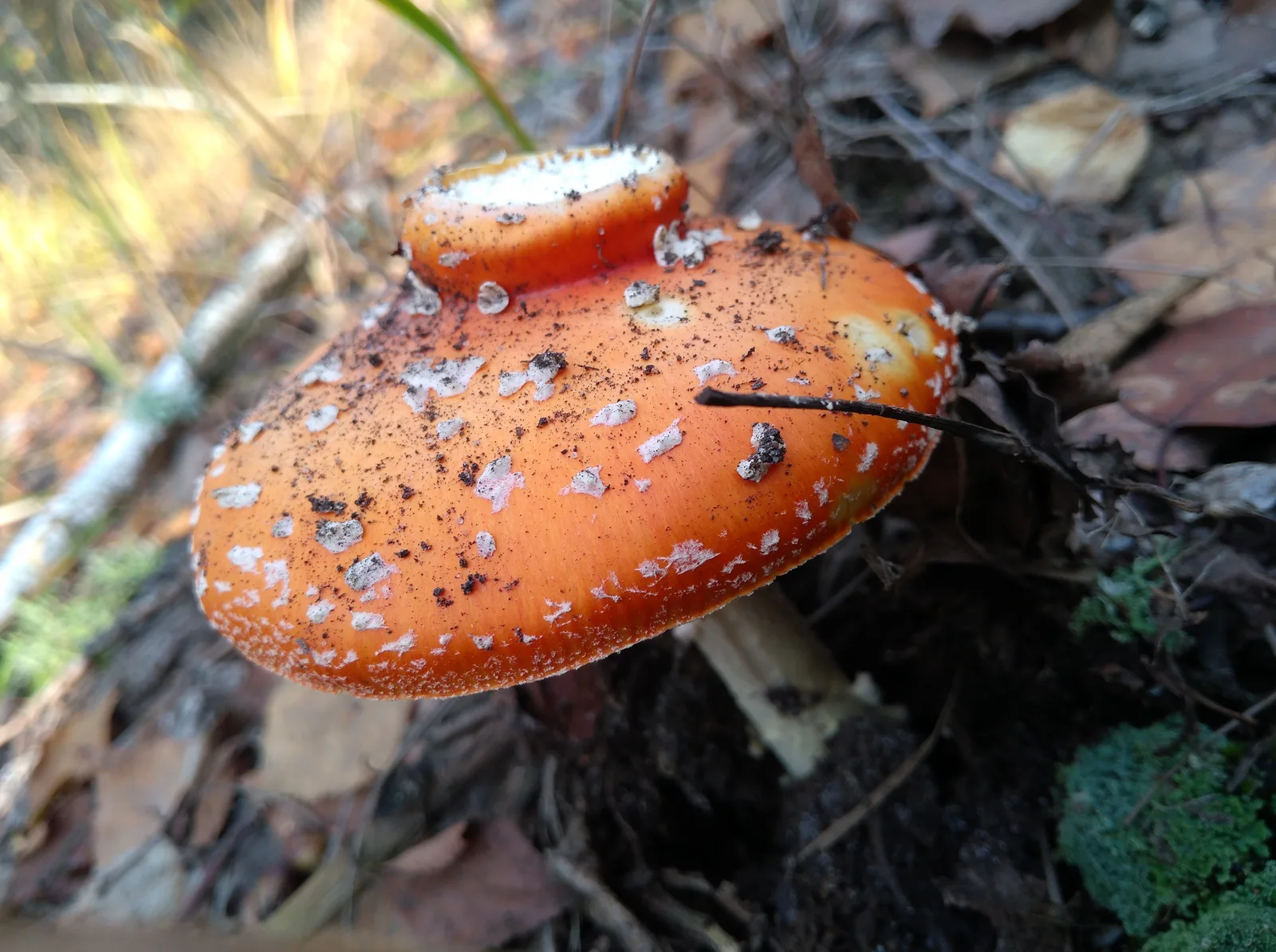
Fly Agaric
Amanita muscaria
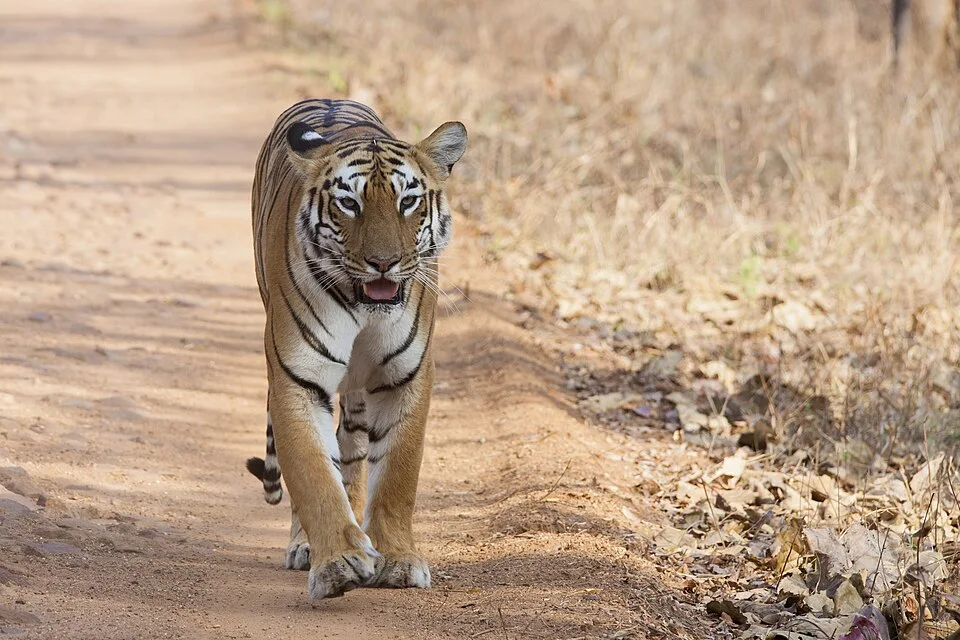
Tiger
Panthera tigris
How to compare two organisms
Choose two species and trace their closest shared group. Then compare a trait with the same definition on each side. Check the units, life stage and context before interpreting a measurement or range.
Missing data means that the collection lacks a sourced value. Where a characteristic does not apply to a lineage, the comparison labels it separately. Open the two profiles for context and follow their sources before drawing a conclusion.
Evidence from the profiles
Compare their characteristics
| Trait | Fly Agaric | Tiger |
|---|---|---|
| Nutrition | Data unavailable | Carnivorous Source ↗ |
| Social organization | Not applicable | Generally solitary Source ↗ |
| Physical traits | A pale stem supports free, crowded white gills and a cap that changes shape as it expands. A ring and a swollen stem base are important features beyond the cap color alone. | Dark stripes break up the tiger’s outline. Stripe patterns vary from one individual to another. |
| Habitat and range | It grows in association with trees, forming ectomycorrhizal partnerships rather than simply decomposing a fallen log. | Tigers live in varied habitats, including tropical forests, mangrove swamps and temperate forest. |
| Diet and nutrition | The fungus receives carbon from a plant partner through its mycorrhizal association. Its soil mycelium participates in the exchange of resources. | Tigers mainly hunt large mammals, including deer and wild pigs. |
| Behavior and activity | Data unavailable | A tiger usually hunts by stalking its prey and attacking at close range. A tiger can communicate without meeting another tiger directly. Scratches and scent marks leave information at places another animal may visit later. In addition to stalking on land, tigers can swim well and have been observed hunting in water. |
| Reproduction and life cycle | Spores develop on the gills and disperse from the mature mushroom. Established mycelium can later produce additional fruiting bodies. | Young tigers stay with their mother while developing the skills needed to take prey. This prolonged period of dependence is consistent with an adult life that is generally solitary. A photograph of a female with cubs therefore describes an important life stage rather than a permanent social group. |
| Geographic distribution | The illustrated specimen was photographed in Ukraine. Introduced populations are also documented in New Zealand; related fly-agaric lineages and regional forms need careful taxonomic interpretation. | Data unavailable |
| Ecological role | Introductions associated with trees can bring this fungus into ecosystems outside its original range. | Data unavailable |
| Distinctive adaptations | Veil remnants change as the mushroom expands or weathers. A red cap with white spots alone is not a sufficient basis for identifying an unfamiliar mushroom. | Individual stripe patterns have practical value to field researchers. Paired cameras can photograph the sides of a passing tiger, and repeated images of the same pattern can identify the same animal. A sequence of detections across sampling locations can support a population estimate. |
Classification
Shared ancestry
Closest shared taxon: Opisthokonta.