 Living Beings
Compare species
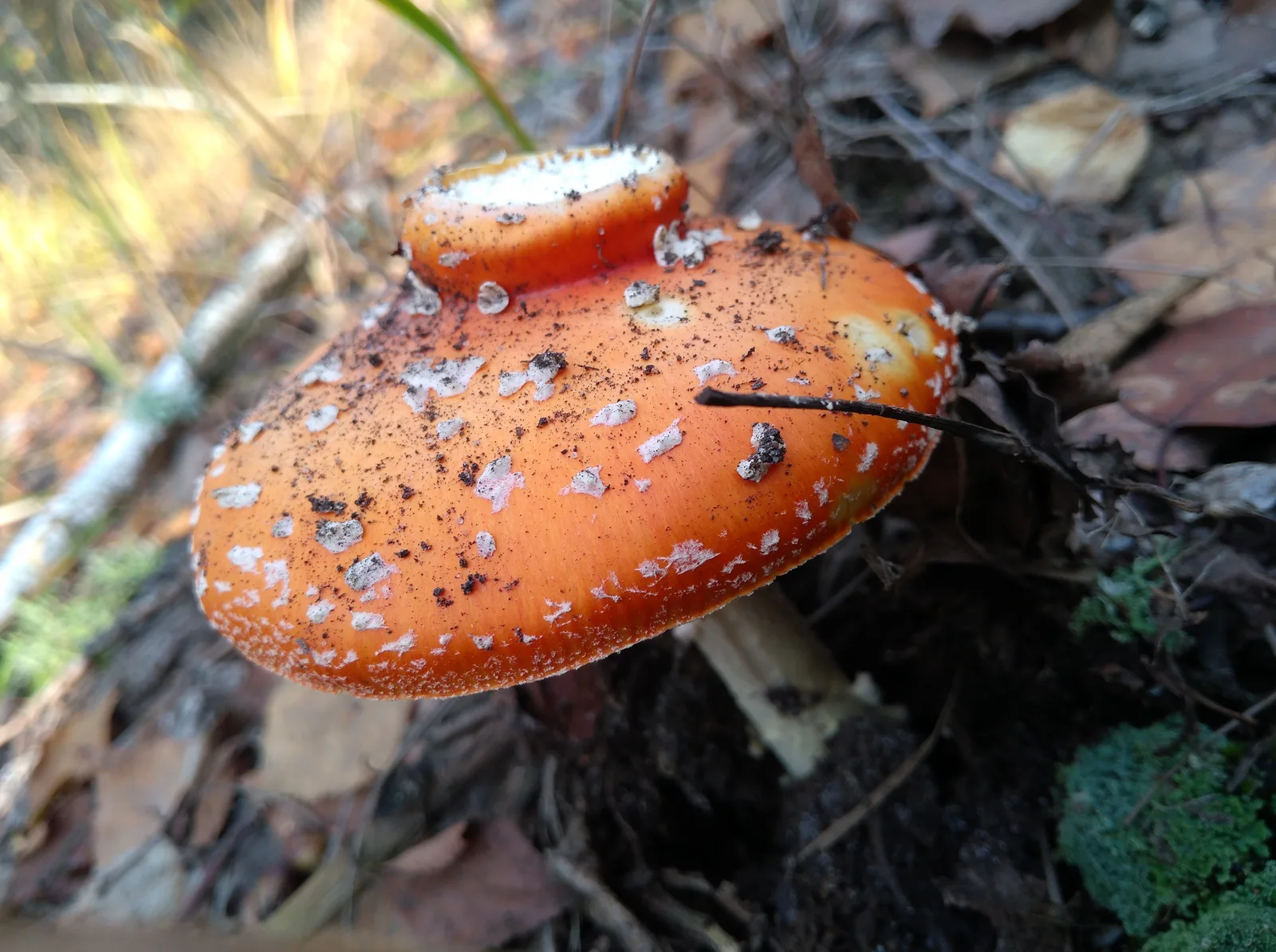
Fly Agaric
Amanita muscaria
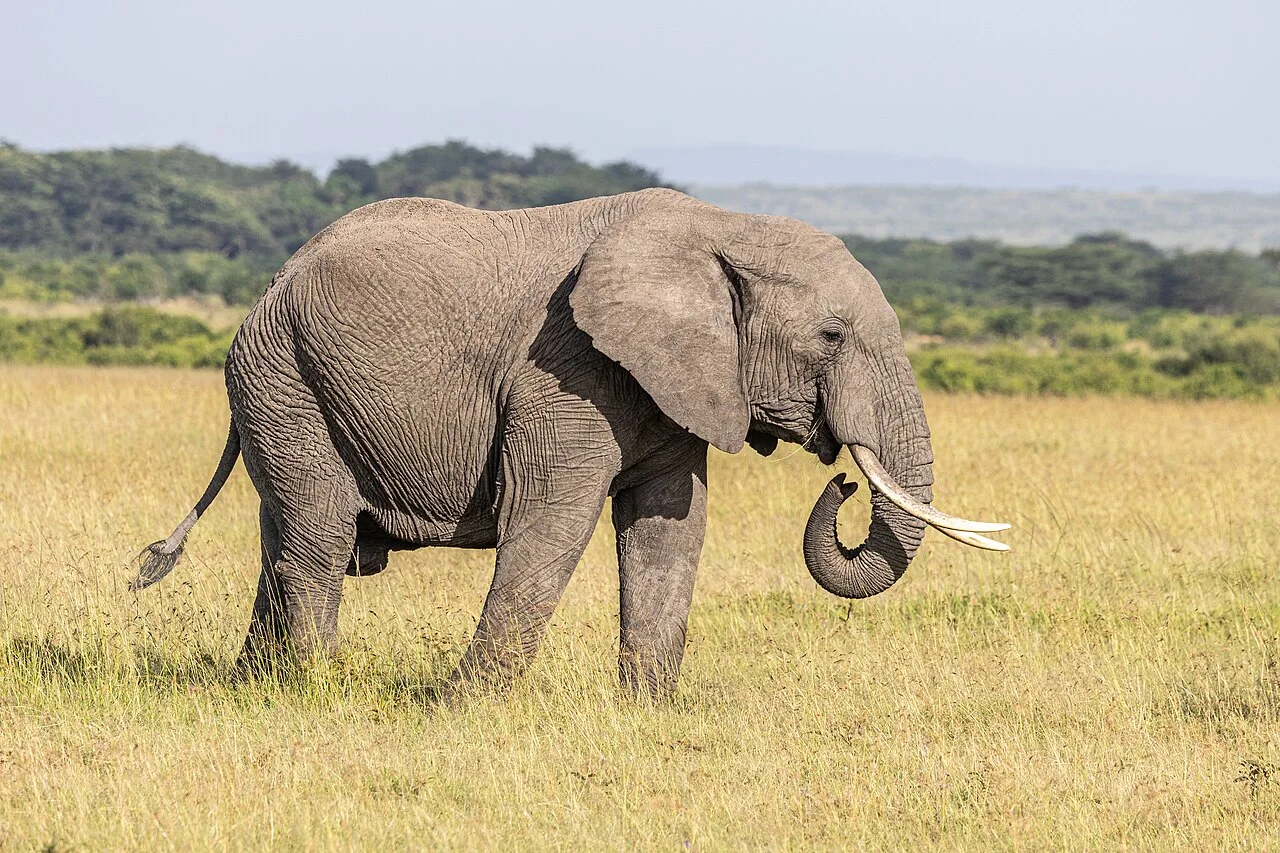
African Savanna Elephant
Loxodonta africana
How to compare two organisms
Choose two species and trace their closest shared group. Then compare a trait with the same definition on each side. Check the units, life stage and context before interpreting a measurement or range.
Missing data means that the collection lacks a sourced value. Where a characteristic does not apply to a lineage, the comparison labels it separately. Open the two profiles for context and follow their sources before drawing a conclusion.
Evidence from the profiles
Compare their characteristics
| Trait | Fly Agaric | African Savanna Elephant |
|---|---|---|
| Physical traits | A pale stem supports free, crowded white gills and a cap that changes shape as it expands. A ring and a swollen stem base are important features beyond the cap color alone. | Broad ears, a long trunk and column-like legs give the animal its familiar outline. The trunk tip has two finger-like projections. Both sexes can develop tusks. |
| Habitat and range | It grows in association with trees, forming ectomycorrhizal partnerships rather than simply decomposing a fallen log. | Savannas and open woodland provide a shifting mixture of browse, grass, shade and drinking water. Seasonal water availability influences the places that herds use. |
| Diet and nutrition | The fungus receives carbon from a plant partner through its mycorrhizal association. Its soil mycelium participates in the exchange of resources. | Grasses, leaves, bark and other plant material make up its diet. The trunk gathers food and moves it to the mouth. |
| Behavior and activity | Data unavailable | Female relatives and their young form long-lasting social groups. Older females hold knowledge of familiar routes and resources; adult males have a different pattern of association. |
| Reproduction and life cycle | Spores develop on the gills and disperse from the mature mushroom. Established mycelium can later produce additional fruiting bodies. | Calves are born alive and depend on milk and extended social care. Learning from other elephants is an important part of growing up. |
| Geographic distribution | The illustrated specimen was photographed in Ukraine. Introduced populations are also documented in New Zealand; related fly-agaric lineages and regional forms need careful taxonomic interpretation. | Native to sub-Saharan Africa. This account follows the savanna-elephant species concept rather than treating all African elephants as one species. |
| Ecological role | Introductions associated with trees can bring this fungus into ecosystems outside its original range. | Feeding and movement alter vegetation, and dung transfers seeds and nutrients. Habitat fragmentation and killing for ivory threaten populations. |
| Distinctive adaptations | Veil remnants change as the mushroom expands or weathers. A red cap with white spots alone is not a sufficient basis for identifying an unfamiliar mushroom. | Data unavailable |
Classification
Shared ancestry
Closest shared taxon: Opisthokonta.