 Living Beings
Compare species
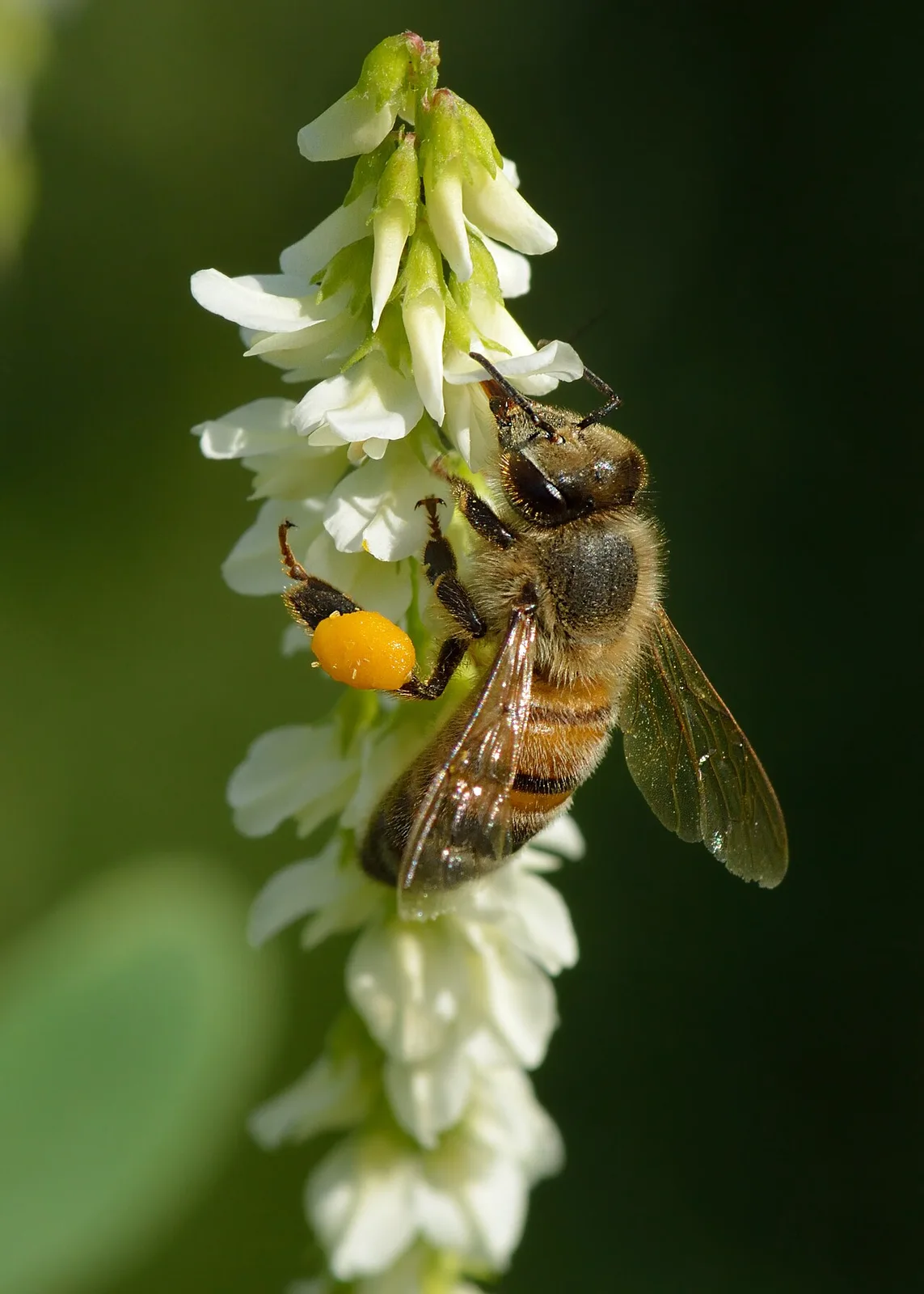
Honey Bee
Apis mellifera
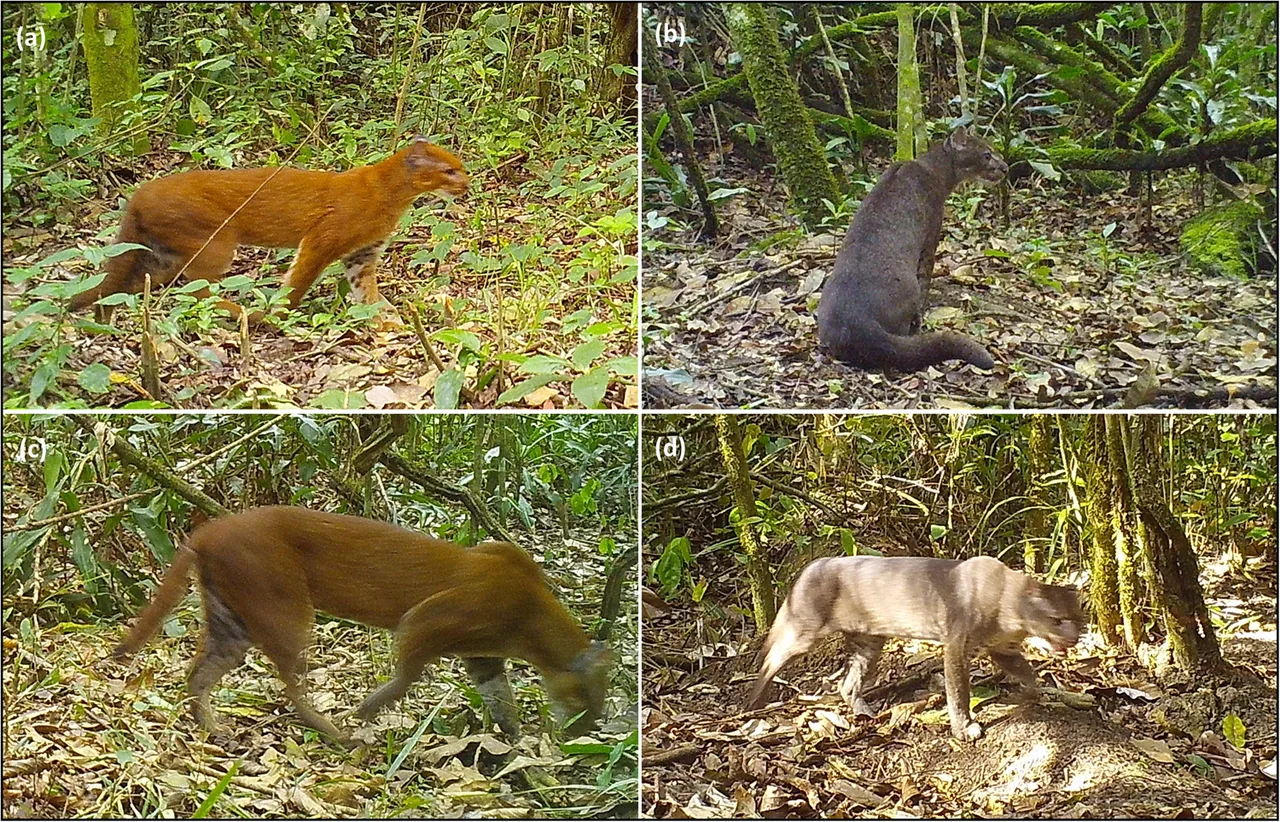
African Golden Cat
Caracal auratus
How to compare two organisms
Choose two species and trace their closest shared group. Then compare a trait with the same definition on each side. Check the units, life stage and context before interpreting a measurement or range.
Missing data means that the collection lacks a sourced value. Where a characteristic does not apply to a lineage, the comparison labels it separately. Open the two profiles for context and follow their sources before drawing a conclusion.
Evidence from the profiles
Compare their characteristics
| Trait | Honey Bee | African Golden Cat |
|---|---|---|
| Physical traits | Workers are hairy insects with pollen-carrying structures on the hind legs. Queens and drones differ in body form and role. | The body is robust and the coat varies between reddish and grayish forms. Spotting can be more visible on some parts of the body. |
| Habitat and range | Nests occupy protected cavities or managed hives near sufficient flowering plants and water. | Dense African forest and secondary growth provide cover and hunting habitat. |
| Diet and nutrition | Nectar supplies sugars and pollen supplies other nutrients. Honey stores concentrated floral food for later use. | Rodents and other forest mammals are important prey. Birds and additional small animals may also be taken. |
| Behavior and activity | Workers communicate foraging information through dances and chemical signals. Tasks change with worker age and colony needs. | It is generally solitary and difficult to observe in dense cover. Sparse observations should not be treated as a complete account of its daily behavior. |
| Reproduction and life cycle | Eggs develop through larval and pupal stages into adults. Female caste development depends strongly on larval feeding. | Data unavailable |
| Geographic distribution | Native populations occur in Africa, Europe and western Asia. People have introduced the species widely for beekeeping. | The Mammal Diversity Database v2.5 records this species in Angola, Cameroon, Central African Republic, Cote d'Ivoire, Democratic Republic of the Congo, Equatorial Guinea, Gabon, Ghana, Guinea, Liberia, Nigeria, Republic of the Congo, Sierra Leone, Uganda, Benin?, Burundi?, Gambia?, Guinea-Bissau?, Kenya?, Rwanda?, Senegal?, Sudan?, Togo?. |
| Ecological role | Foraging transfers pollen between flowers. Managed honey bees can also compete with other flower-visiting insects. | Data unavailable |
| Distinctive adaptations | Wax comb, food storage and collective temperature regulation help a colony persist through seasonal shortages. | Data unavailable |
| Conservation | Parasites, disease, pesticides and limited forage can harm colonies. Managed-colony health and conservation of wild bee diversity are distinct issues. | Data unavailable |
Classification
Shared ancestry
Closest shared taxon: Bilateria.