 Living Beings

 Framed for display
Species · Apis
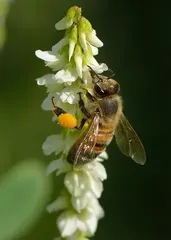
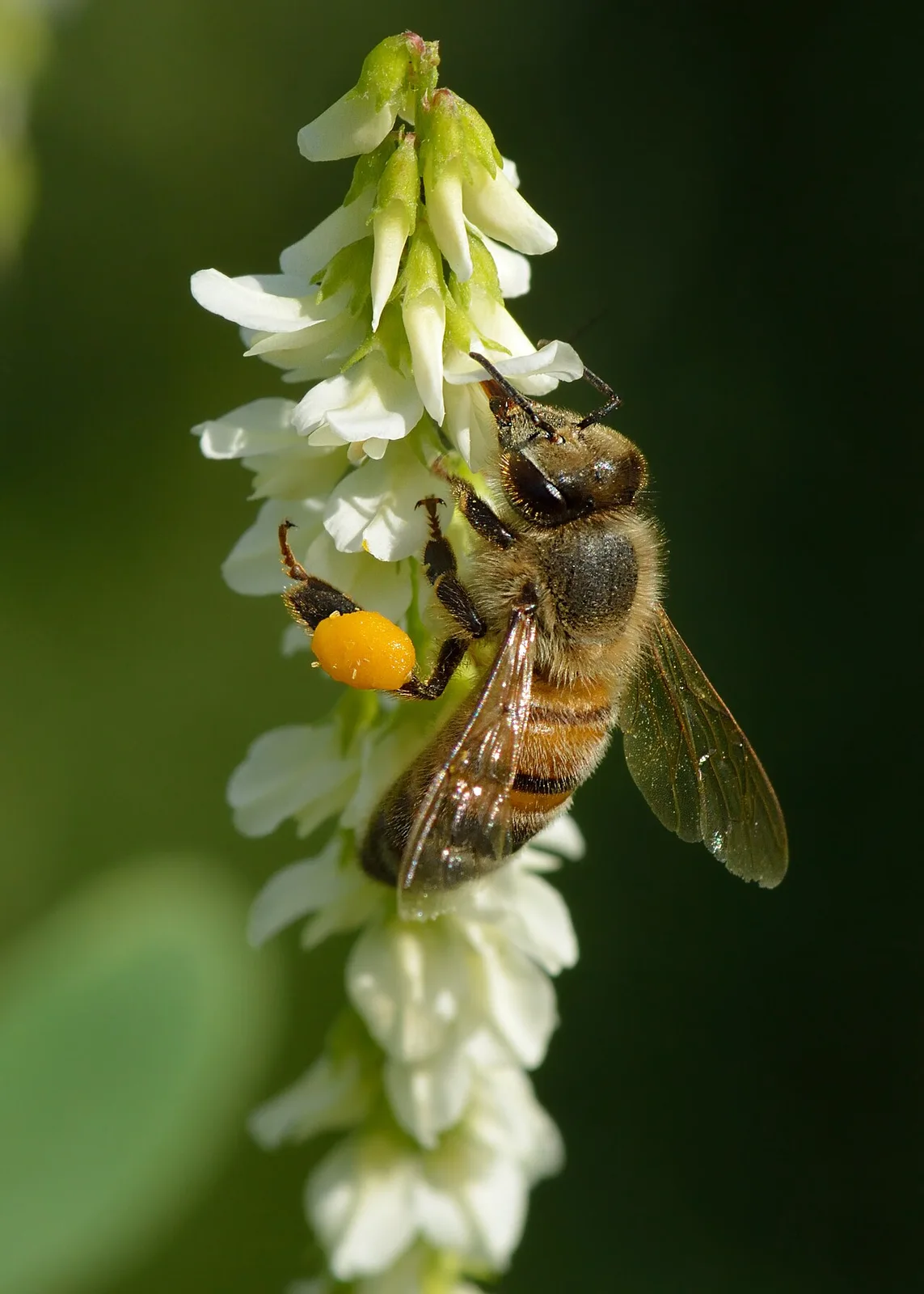
Honey Bee
Apis mellifera
A honey bee colony combines a reproductive queen, female workers and seasonal males. Workers collect floral resources, care for developing young and …
Phylum · Scientific classification
Arthropods share jointed appendages, segmented bodies and a protective external cuticle.
 Framed for display
Explore broader group · Animalia ↗
NCBI Taxonomy (2026-11-05 reconciled backbone) · Taxon source ↗
Group guide
A stiff outer cuticle supports and protects the segmented body. Joints allow movement, and segments can unite into functional regions. Appendages on different segments may act as legs, sensory antennae or feeding tools.
Source for a versatile body plan ↗Insects are one arthropod branch. A typical adult insect has three pairs of legs attached to the thorax. Arthropods such as spiders and crustaceans arrange their segments and appendages differently, which is why counting legs and checking their attachment are useful starting points.
Source for comparing insects with other arthropods ↗Within this taxon
Framed for display
Apis mellifera
A honey bee colony combines a reproductive queen, female workers and seasonal males. Workers collect floral resources, care for developing young and …
 Framed for display
Danaus plexippus
Orange wings crossed by dark veins make the monarch familiar, but its life is closely tied to milkweed. Caterpillars feed on these …