 Living Beings

 Framed for display
Species · Apis
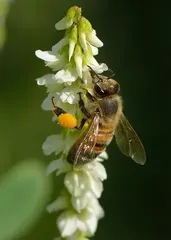
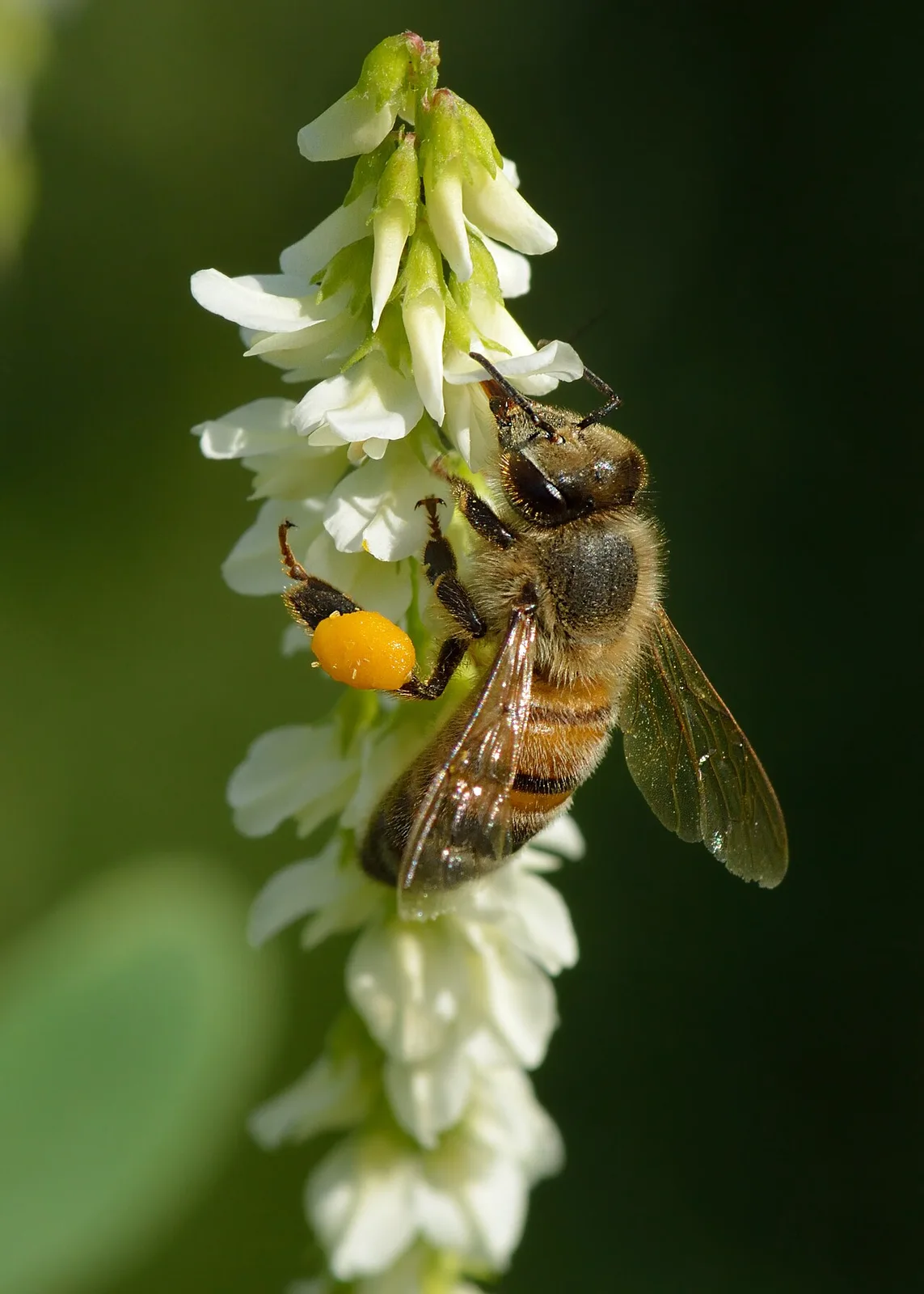
Honey Bee
Apis mellifera
A honey bee colony combines a reproductive queen, female workers and seasonal males. Workers collect floral resources, care for developing young and …
Class · Scientific classification
Use the three body regions and six adult legs to identify the insect body plan.
 Framed for display
Explore broader group · Arthropoda ↗
NCBI Taxonomy (2026-11-05 reconciled backbone) · Taxon source ↗
Group guide
The typical adult insect has a head, thorax and abdomen. Three leg pairs attach to the thorax. One pair of antennae sits on the head. Wings, where present, also arise from the thorax. These characters help distinguish insects from other small arthropods.
Source for check where the legs attach ↗A larva can look very different from the adult. In insects with complete metamorphosis, the larva, pupa and adult have different jobs in the life cycle. Examine an adult body plan and any evidence of development before identifying an unfamiliar larval specimen.
Source for identify the life stage first ↗Butterflies and beetles both belong to the branch of insects with complete metamorphosis, although their adults look very different. A larva, a pupa and an adult belong to the same life cycle. Evolutionary studies compare genes and anatomy across these stages and across groups to test where the developmental pattern arose.
Source for when young and adults look unrelated ↗Within this taxon
Framed for display
Apis mellifera
A honey bee colony combines a reproductive queen, female workers and seasonal males. Workers collect floral resources, care for developing young and …
 Framed for display
Danaus plexippus
Orange wings crossed by dark veins make the monarch familiar, but its life is closely tied to milkweed. Caterpillars feed on these …