 Living Beings
Compare species
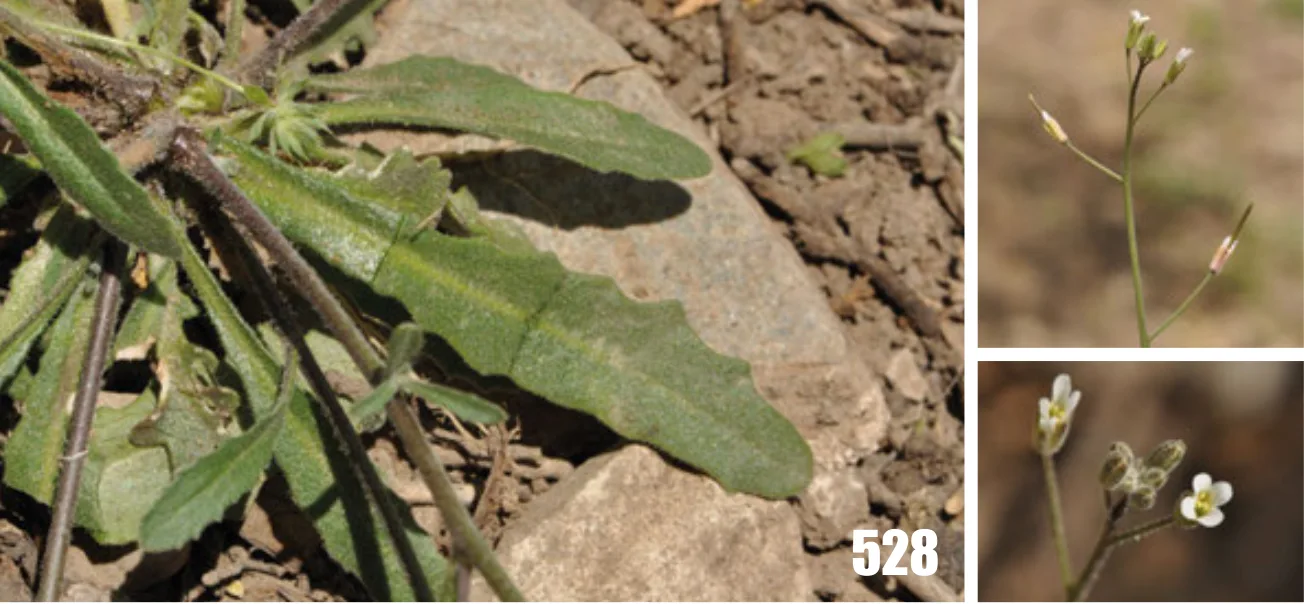
Thale Cress
Arabidopsis thaliana
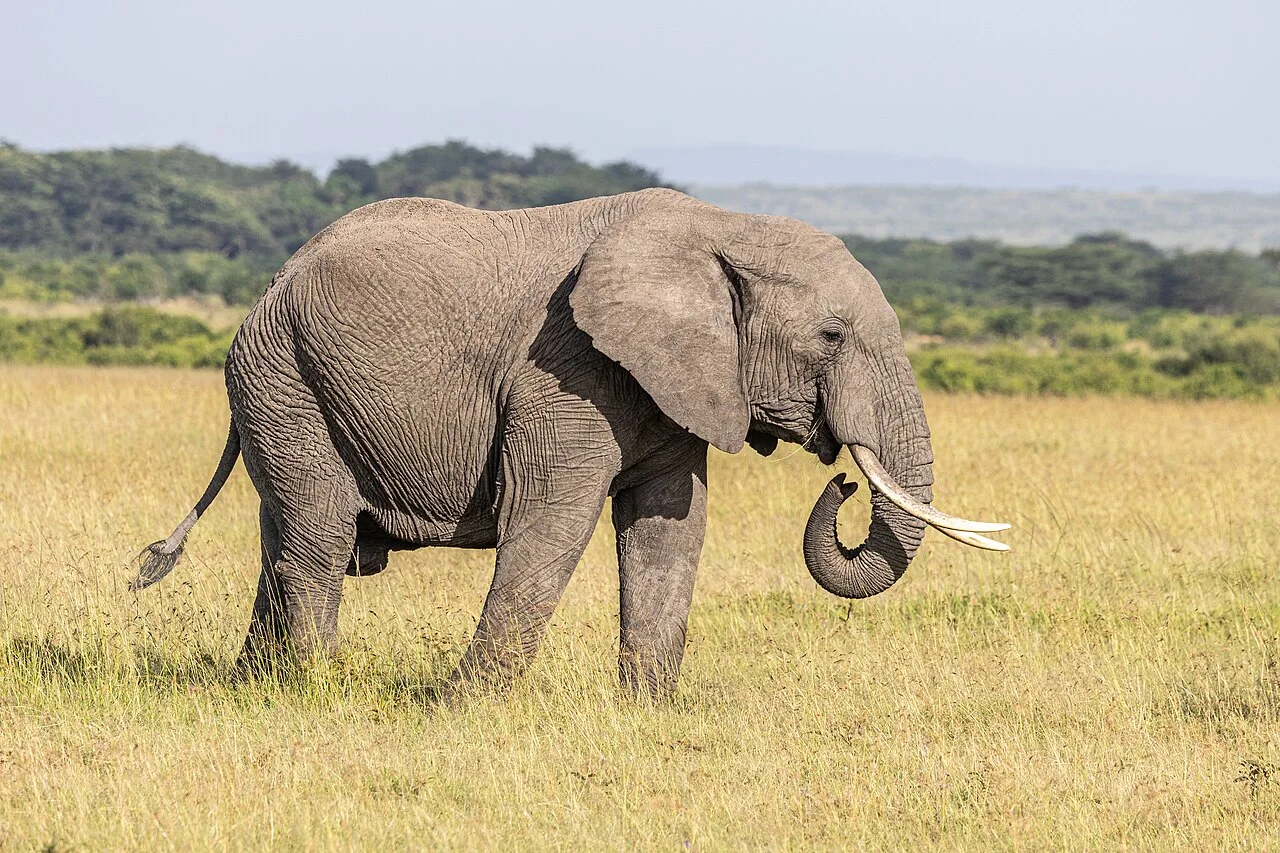
African Savanna Elephant
Loxodonta africana
Evidence from the profiles
Compare their characteristics
| Trait | Thale Cress | African Savanna Elephant |
|---|---|---|
| Physical traits | Small rosette leaves, slender flowering stems and white, four-petalled flowers characterize the plant. Long, narrow fruits contain many small seeds. | Broad ears, a long trunk and column-like legs give the animal its familiar outline. The trunk tip has two finger-like projections. Both sexes can develop tusks. |
| Habitat and range | Open, disturbed ground and other relatively sparse vegetation provide growing sites. Laboratory accessions represent only part of natural diversity. | Savannas and open woodland provide a shifting mixture of browse, grass, shade and drinking water. Seasonal water availability influences the places that herds use. |
| Diet and nutrition | Leaves manufacture sugars by photosynthesis. Stored seed reserves support the seedling before its leaves become established. | Grasses, leaves, bark and other plant material make up its diet. The trunk gathers food and moves it to the mouth. |
| Behavior and activity | Flowering responds to inherited differences and environmental conditions, including temperature history and day length. | Female relatives and their young form long-lasting social groups. Older females hold knowledge of familiar routes and resources; adult males have a different pattern of association. |
| Reproduction and life cycle | Plants usually self-pollinate. Depending on genotype and conditions, a laboratory generation can be completed within weeks; wild seasonal cycles differ. | Calves are born alive and depend on milk and extended social care. Learning from other elephants is an important part of growing up. |
| Geographic distribution | Native populations occur in Africa, Asia and Europe; the species is naturalized in other regions. | Native to sub-Saharan Africa. This account follows the savanna-elephant species concept rather than treating all African elephants as one species. |
| Ecological role | This small annual exploits gaps where competition is limited. Seed dormancy helps bridge unsuitable periods. | Feeding and movement alter vegetation, and dung transfers seeds and nutrients. Habitat fragmentation and killing for ivory threaten populations. |
| Distinctive adaptations | A short generation time, small size and abundant seed production facilitate both colonization and genetic research. | Data unavailable |
| Conservation | Research stocks are not substitutes for conserving natural genetic diversity. No formal threat category is inferred from laboratory abundance. | Data unavailable |
Classification
Shared ancestry
Closest shared taxon: Eukaryota.