 Living Beings
Compare species
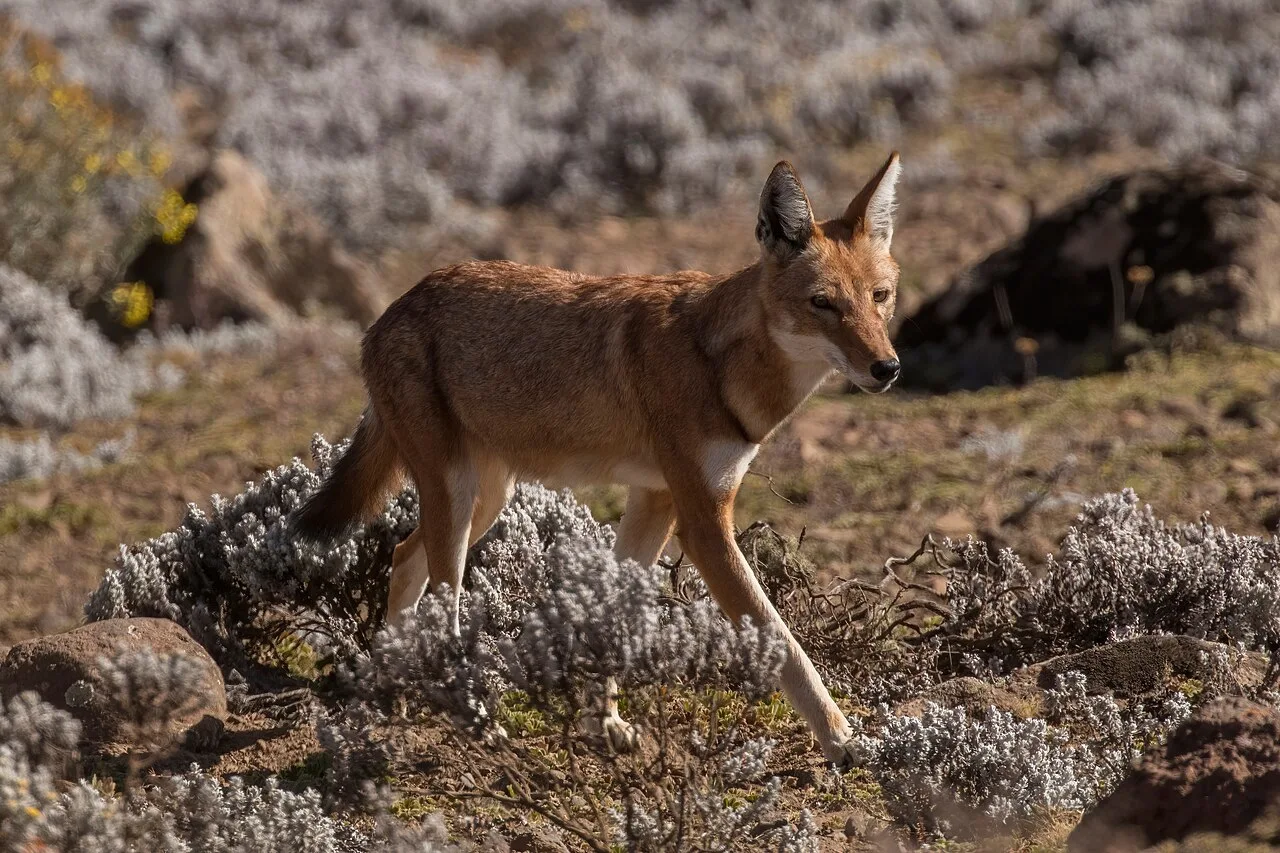
Ethiopian Wolf
Canis simensis
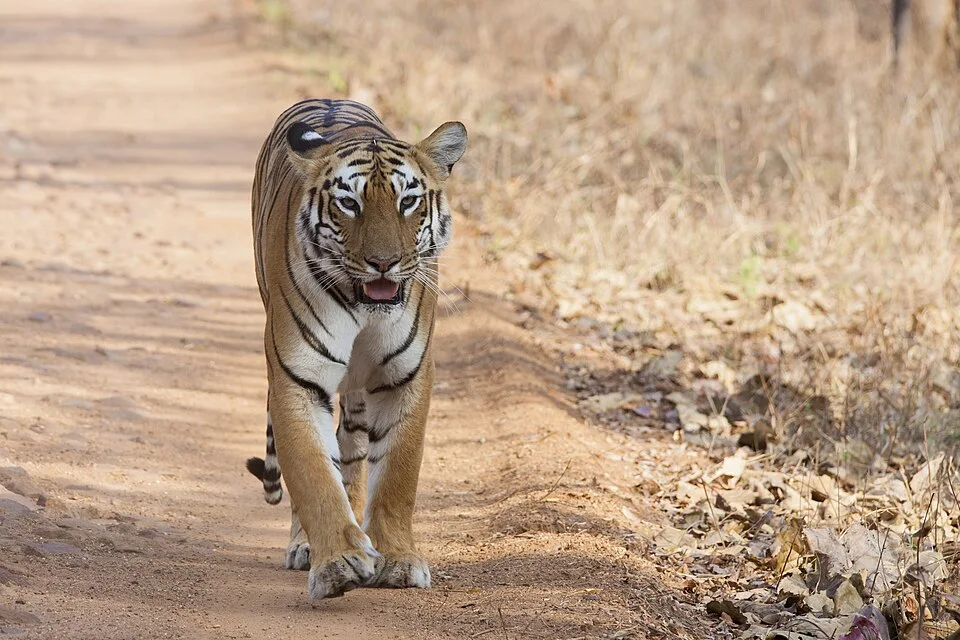
Tiger
Panthera tigris
Evidence from the profiles
Compare their characteristics
| Trait | Ethiopian Wolf | Tiger |
|---|---|---|
| Nutrition | Data unavailable | Carnivorous Source ↗ |
| Social organization | Data unavailable | Generally solitary Source ↗ |
| Physical traits | Long legs, a narrow muzzle and reddish fur contrasting with pale markings are characteristic. | Dark stripes break up the tiger’s outline. Stripe patterns vary from one individual to another. |
| Habitat and range | Afro-alpine grasslands and heathlands support the rodents on which it depends. | Tigers live in varied habitats, including tropical forests, mangrove swamps and temperate forest. |
| Diet and nutrition | Rodents are the principal prey, often captured by individual hunters. | Tigers mainly hunt large mammals, including deer and wild pigs. |
| Behavior and activity | Ethiopian wolves form social packs even though much feeding takes place alone. Group living and hunting strategy need not follow the same pattern. | A tiger usually hunts by stalking its prey and attacking at close range. |
| Geographic distribution | The Mammal Diversity Database v2.5 records this species in Ethiopia. | Data unavailable |
Classification
Shared ancestry
Closest shared taxon: Carnivora.
Explore the taxonomy ↗