 Living Beings
Compare species
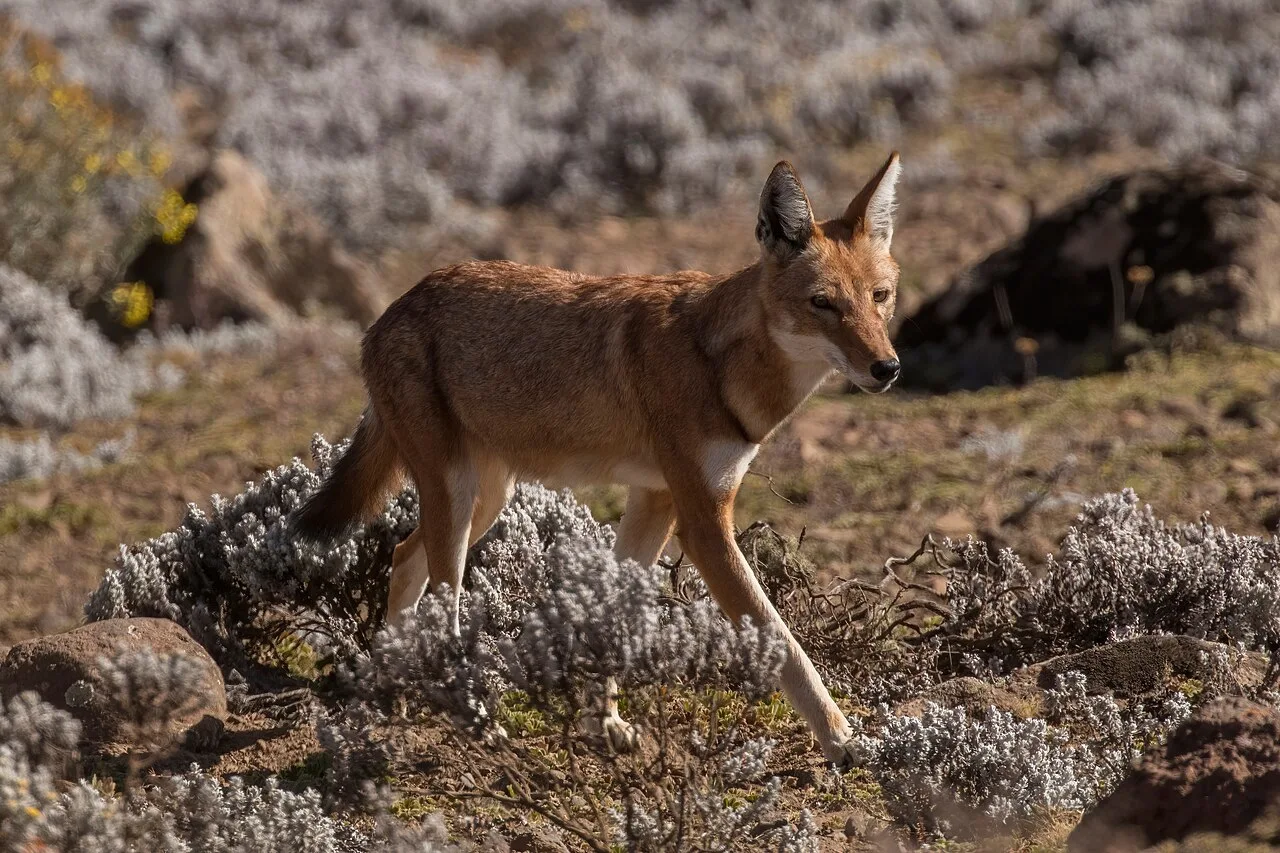
Ethiopian Wolf
Canis simensis
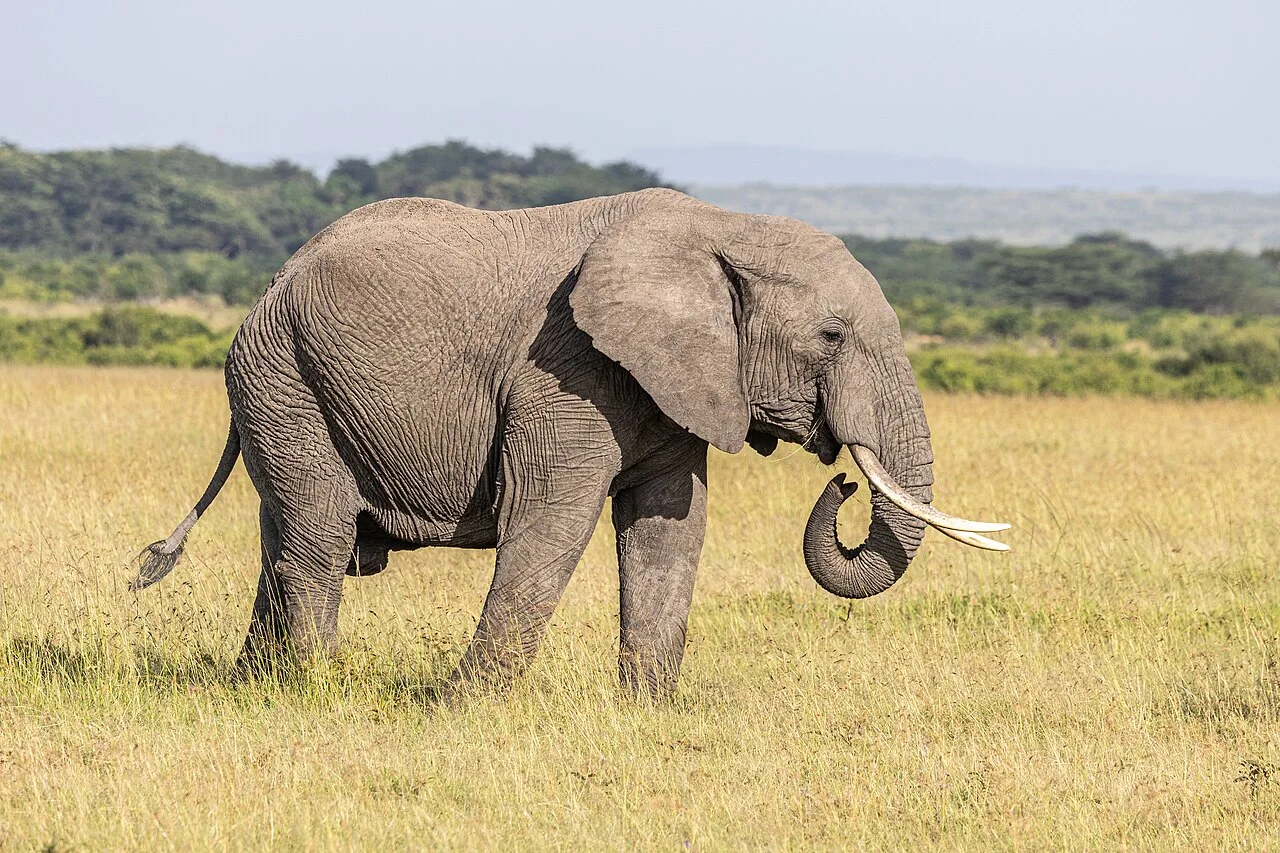
African Savanna Elephant
Loxodonta africana
How to compare two organisms
Choose two species and trace their closest shared group. Then compare a trait with the same definition on each side. Check the units, life stage and context before interpreting a measurement or range.
Missing data means that the collection lacks a sourced value. Where a characteristic does not apply to a lineage, the comparison labels it separately. Open the two profiles for context and follow their sources before drawing a conclusion.
Evidence from the profiles
Compare their characteristics
| Trait | Ethiopian Wolf | African Savanna Elephant |
|---|---|---|
| Physical traits | Long legs, a narrow muzzle and reddish fur contrasting with pale markings are characteristic. | Broad ears, a long trunk and column-like legs give the animal its familiar outline. The trunk tip has two finger-like projections. Both sexes can develop tusks. |
| Habitat and range | Afro-alpine grasslands and heathlands support the rodents on which it depends. | Savannas and open woodland provide a shifting mixture of browse, grass, shade and drinking water. Seasonal water availability influences the places that herds use. |
| Diet and nutrition | Rodents are the principal prey, often captured by individual hunters. Field comparisons in the Ethiopian highlands distinguish the Ethiopian wolf’s focus on rodents from the broader foraging of sympatric African wolves. Both animals can occur in the same landscape. The kinds of prey eaten and the way each canid searches for them help explain how they use that landscape differently. | Grasses, leaves, bark and other plant material make up its diet. The trunk gathers food and moves it to the mouth. |
| Behavior and activity | Ethiopian wolves form social packs even though much feeding takes place alone. Group living and hunting strategy need not follow the same pattern. | Female relatives and their young form long-lasting social groups. Older females hold knowledge of familiar routes and resources; adult males have a different pattern of association. |
| Reproduction and life cycle | Data unavailable | Calves are born alive and depend on milk and extended social care. Learning from other elephants is an important part of growing up. |
| Geographic distribution | The Mammal Diversity Database v2.5 records this species in Ethiopia. | Native to sub-Saharan Africa. This account follows the savanna-elephant species concept rather than treating all African elephants as one species. |
| Ecological role | The comparison has conservation value because the identity of the canid matters when interpreting observations. A widespread generalist canid visiting a highland site is not evidence that a rodent-specialist Ethiopian wolf is using the same site in the same way. | Feeding and movement alter vegetation, and dung transfers seeds and nutrients. Habitat fragmentation and killing for ivory threaten populations. |
Classification
Shared ancestry
Closest shared taxon: Eutheria.