 Living Beings
Compare species
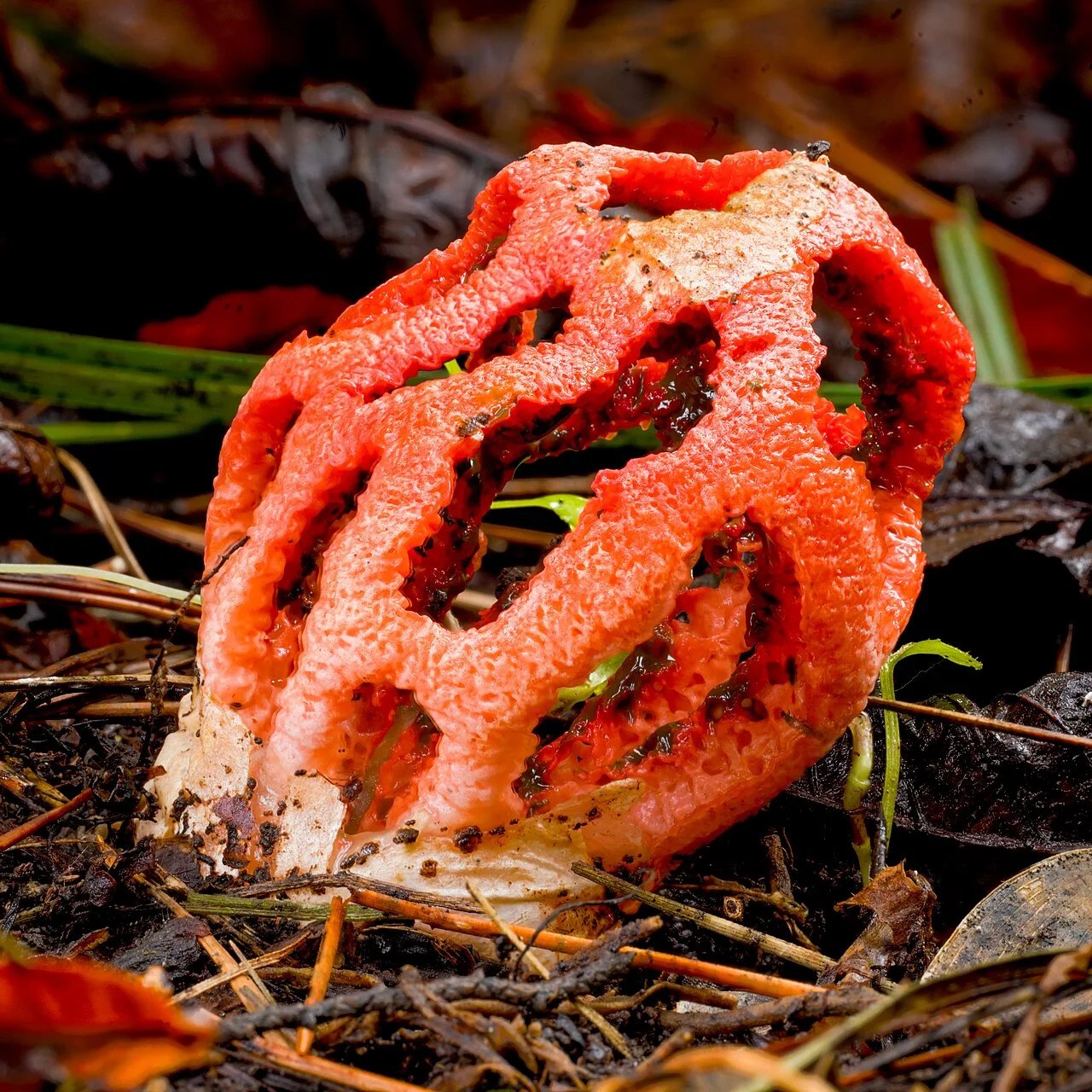
Red Cage Fungus
Clathrus ruber
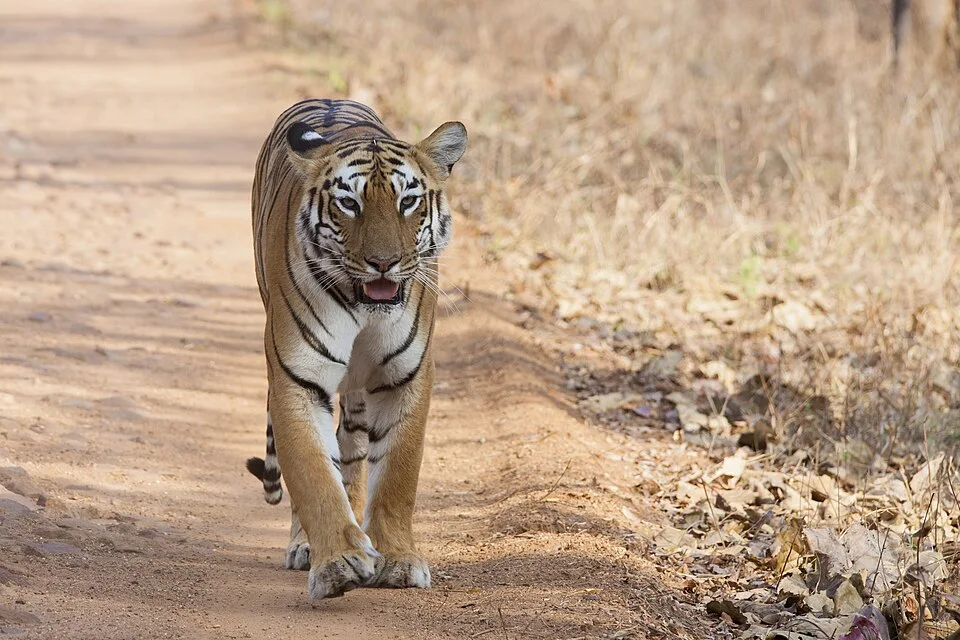
Tiger
Panthera tigris
Evidence from the profiles
Compare their characteristics
| Trait | Red Cage Fungus | Tiger |
|---|---|---|
| Nutrition | Data unavailable | Carnivorous Source ↗ |
| Social organization | Not applicable | Generally solitary Source ↗ |
| Physical traits | The expanded fruiting body is a reddish cage of interconnected branches. Dark, slimy gleba lies on portions of the inner structure. | Dark stripes break up the tiger’s outline. Stripe patterns vary from one individual to another. |
| Habitat and range | Decaying organic material, garden mulch and similar substrates support its feeding mycelium. | Tigers live in varied habitats, including tropical forests, mangrove swamps and temperate forest. |
| Diet and nutrition | The fungus obtains carbon by decomposing organic material. It is not a photosynthetic plant despite the vivid color of its fruiting body. | Tigers mainly hunt large mammals, including deer and wild pigs. |
| Behavior and activity | Odor attracts flies and other insects, which contact the gleba and can move spores away from the fruiting body. | A tiger usually hunts by stalking its prey and attacking at close range. |
| Reproduction and life cycle | A closed, egg-like immature structure opens as the lattice expands. The mature fruiting body exposes the spore-bearing material. | Data unavailable |
| Ecological role | Insect-assisted dispersal offers an alternative to relying only on spores dropping from ordinary mushroom gills. | Data unavailable |
| Distinctive adaptations | The open lattice exposes a large amount of the reproductive surface. Related cage and basket stinkhorns can resemble it, so shape and source identification matter. | Data unavailable |
Classification
Shared ancestry
Closest shared taxon: Opisthokonta.