 Living Beings
Compare species
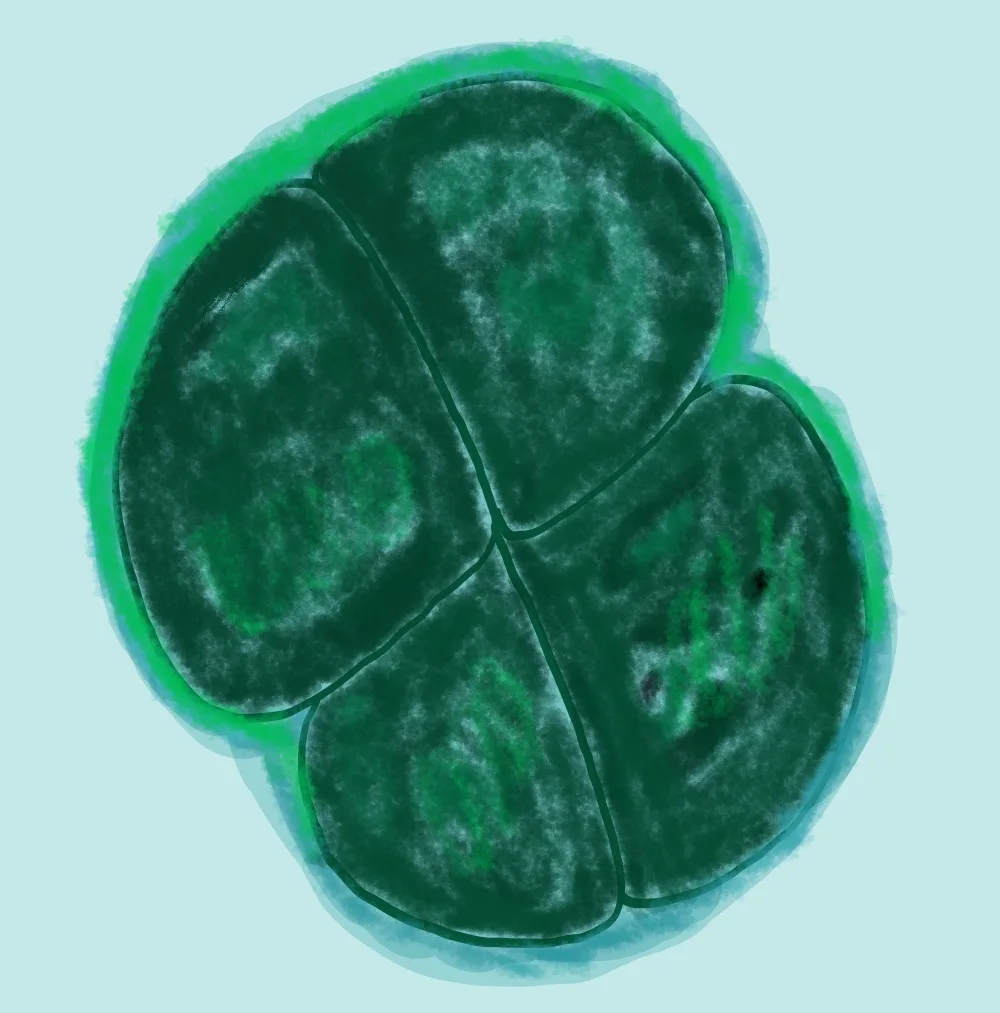
Deinococcus radiodurans
Deinococcus radiodurans
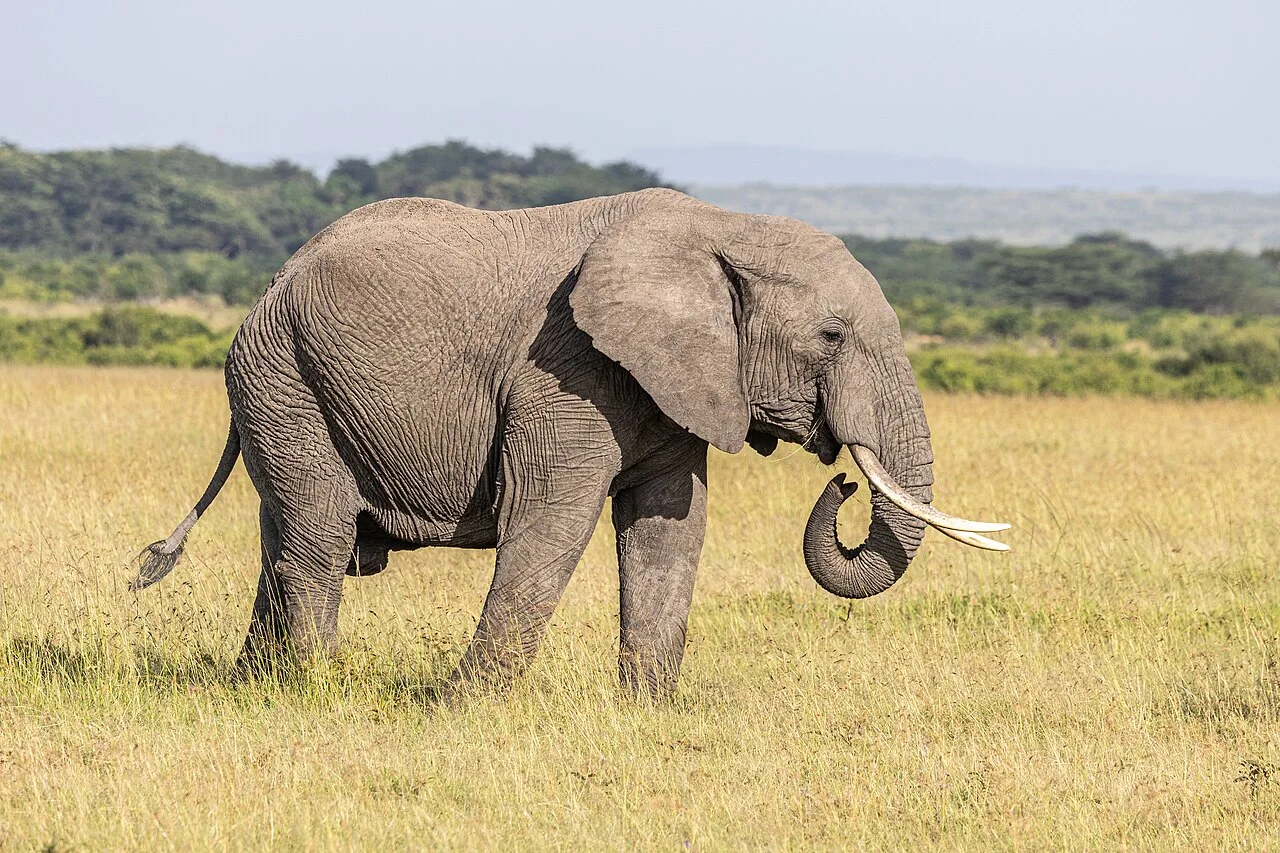
African Savanna Elephant
Loxodonta africana
Evidence from the profiles
Compare their characteristics
| Trait | Deinococcus radiodurans | African Savanna Elephant |
|---|---|---|
| Physical traits | Rounded cells commonly occur in grouped arrangements. Pigmented colonies and cell shape alone do not provide a secure identification. | Broad ears, a long trunk and column-like legs give the animal its familiar outline. The trunk tip has two finger-like projections. Both sexes can develop tusks. |
| Habitat and range | Cultured isolates have been studied under ordinary growth conditions and experimental stress; radiation resistance does not mean radiation is required for growth. | Savannas and open woodland provide a shifting mixture of browse, grass, shade and drinking water. Seasonal water availability influences the places that herds use. |
| Diet and nutrition | Organic nutrients support heterotrophic growth. Stress resistance should not be confused with obtaining energy from radiation. | Grasses, leaves, bark and other plant material make up its diet. The trunk gathers food and moves it to the mouth. |
| Behavior and activity | Cells coordinate repair and recovery after DNA damage, oxidative stress or desiccation-related challenges. | Female relatives and their young form long-lasting social groups. Older females hold knowledge of familiar routes and resources; adult males have a different pattern of association. |
| Reproduction and life cycle | Cell division produces new cells when conditions permit. Genome maintenance is critical to recovery before normal growth resumes. | Calves are born alive and depend on milk and extended social care. Learning from other elephants is an important part of growing up. |
| Geographic distribution | Authenticated isolates and research collections provide traceable records. A full environmental range is not established by the genome study. | Native to sub-Saharan Africa. This account follows the savanna-elephant species concept rather than treating all African elephants as one species. |
| Ecological role | Its stress biology helps explain microbial persistence during changing hydration and resource conditions. | Feeding and movement alter vegetation, and dung transfers seeds and nutrients. Habitat fragmentation and killing for ivory threaten populations. |
| Distinctive adaptations | The R1 genome study identified multiple systems associated with DNA repair, damage handling and recovery from starvation or desiccation. Its resistance is therefore not adequately explained by one supposed protective gene. The sequenced strain also carries multiple DNA elements, providing a framework for testing how these cellular systems work together. | Data unavailable |
Classification
Shared ancestry
Closest shared taxon: cellular organisms.