 Living Beings
Compare species
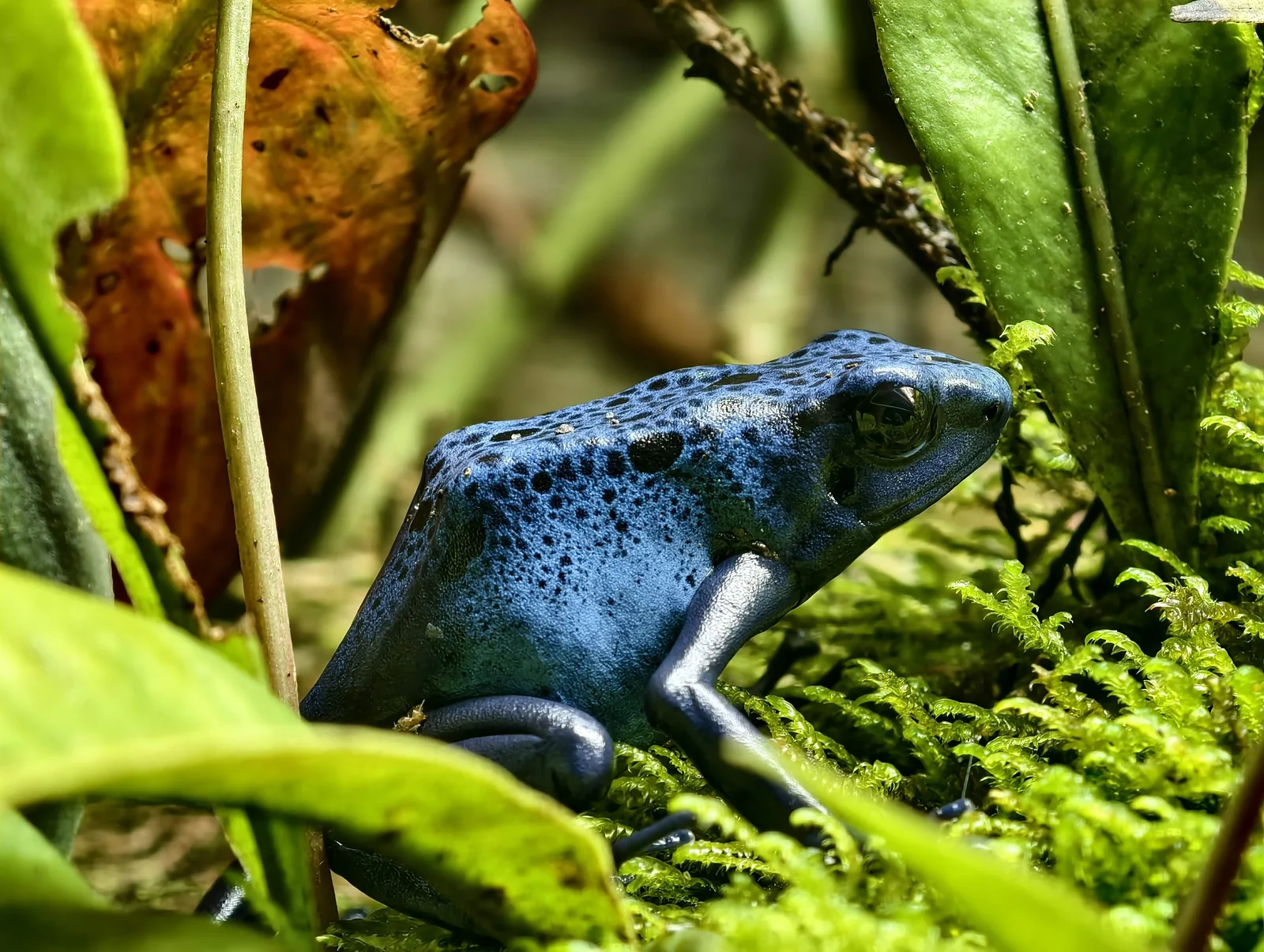
Dyeing Poison Frog
Dendrobates tinctorius
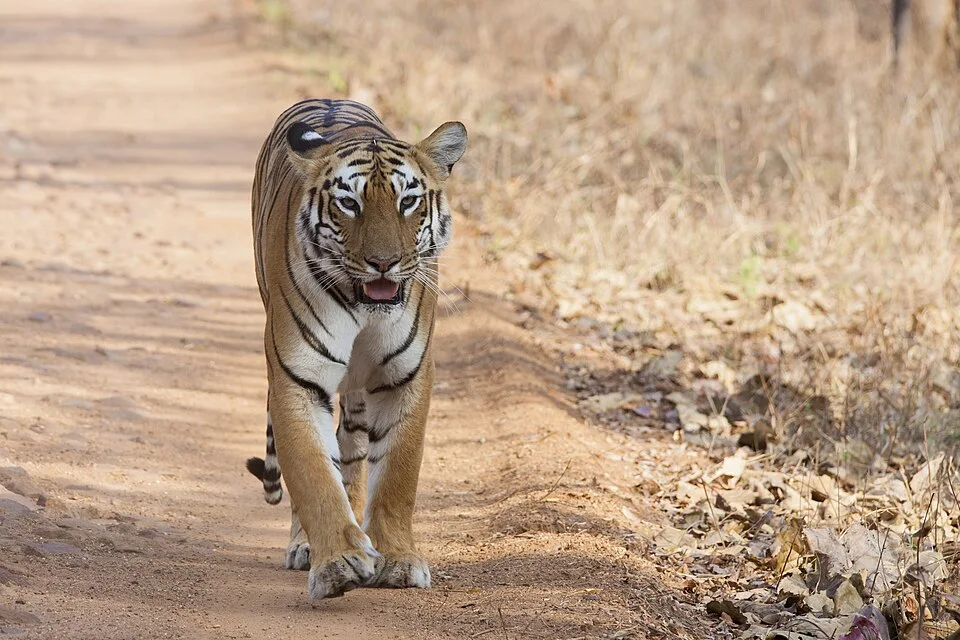
Tiger
Panthera tigris
Evidence from the profiles
Compare their characteristics
| Trait | Dyeing Poison Frog | Tiger |
|---|---|---|
| Nutrition | Data unavailable | Carnivorous Source ↗ |
| Social organization | Data unavailable | Generally solitary Source ↗ |
| Physical traits | Different populations have different combinations of blue, yellow and black. The blue animal illustrated here represents one color form, rather than the appearance of every member of the species. | Dark stripes break up the tiger’s outline. Stripe patterns vary from one individual to another. |
| Habitat and range | Humid forest provides leaf litter, fallen wood and water-filled cavities. Canopy gaps can create valuable breeding opportunities. | Tigers live in varied habitats, including tropical forests, mangrove swamps and temperate forest. |
| Diet and nutrition | Data unavailable | Tigers mainly hunt large mammals, including deer and wild pigs. |
| Behavior and activity | Adults move and forage during daylight. Courtship and competition occur within a small-scale landscape of shelters and suitable pools. | A tiger usually hunts by stalking its prey and attacking at close range. |
| Reproduction and life cycle | Eggs develop outside open water. Males carry hatched tadpoles to small aquatic nurseries; choosing a pool matters because tadpoles can cannibalize one another. | Data unavailable |
| Geographic distribution | Native to the Guiana Shield region of northern South America. The cited field studies document populations in French Guiana. | Data unavailable |
| Ecological role | Use of plant-held water links terrestrial adults to aquatic larval habitats. Pool availability and the presence of other tadpoles influence reproductive decisions. | Data unavailable |
| Distinctive adaptations | Parental transport allows larvae to reach isolated water bodies that they could not reach from the egg site themselves. | Data unavailable |
Classification
Shared ancestry
Closest shared taxon: Tetrapoda.