 Living Beings
Compare species
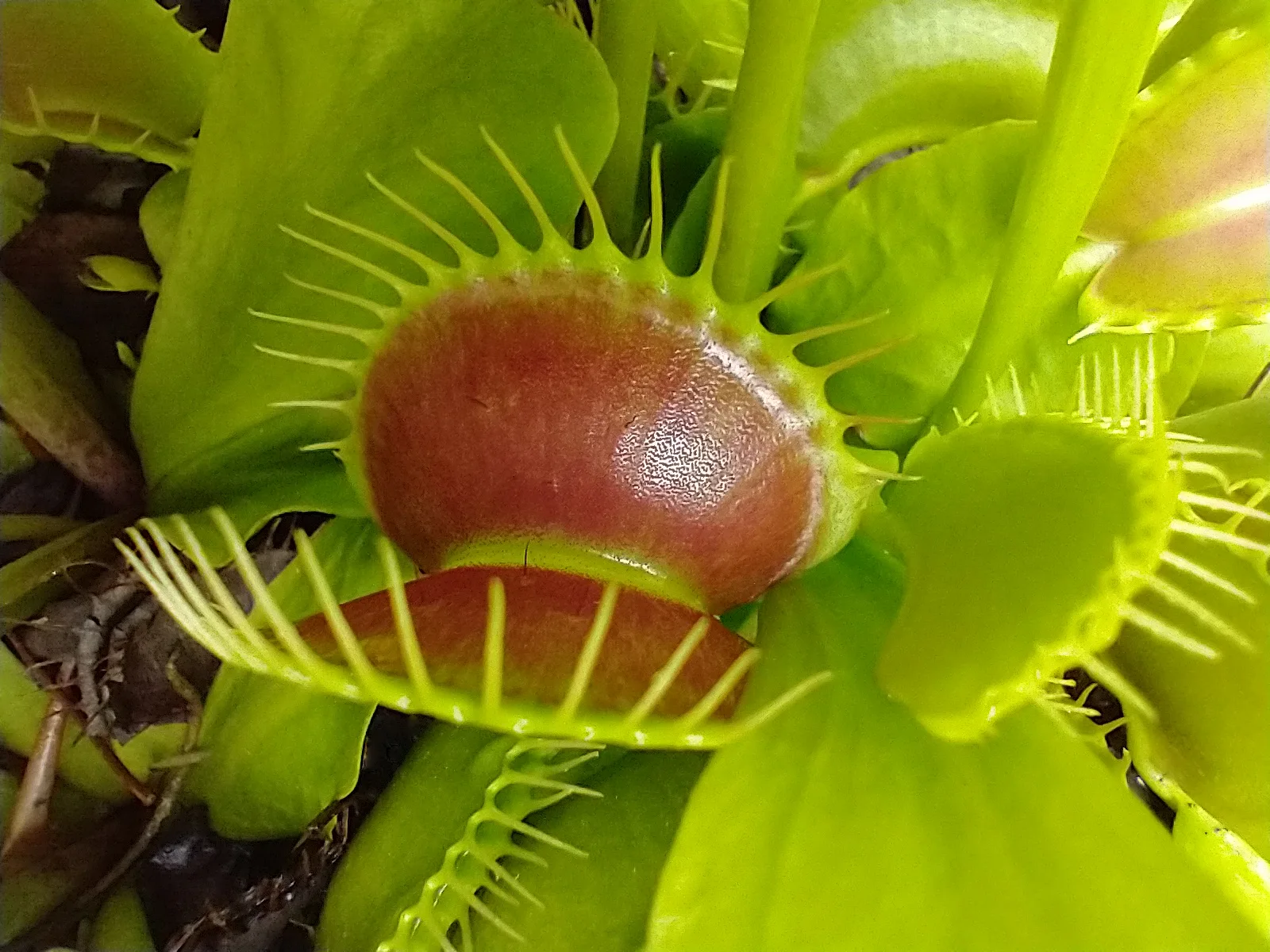
Venus Flytrap
Dionaea muscipula
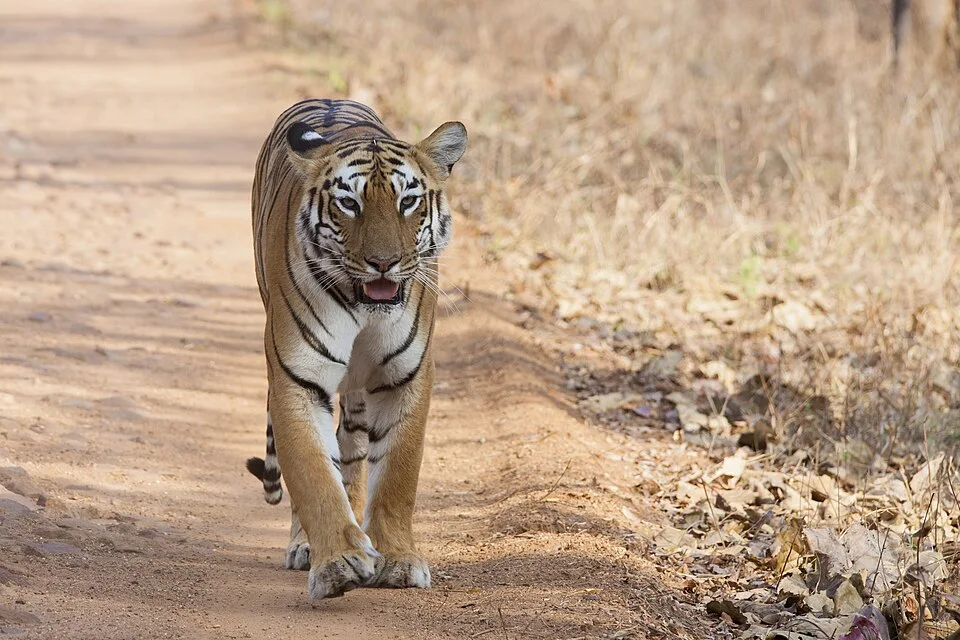
Tiger
Panthera tigris
Evidence from the profiles
Compare their characteristics
| Trait | Venus Flytrap | Tiger |
|---|---|---|
| Nutrition | Data unavailable | Carnivorous Source ↗ |
| Social organization | Not applicable | Generally solitary Source ↗ |
| Physical traits | A low rosette carries leaves ending in paired trap lobes with marginal bristles and sensitive trigger hairs. | Dark stripes break up the tiger’s outline. Stripe patterns vary from one individual to another. |
| Habitat and range | Wet, acidic, nutrient-poor ground in open coastal-plain habitats supports wild plants. | Tigers live in varied habitats, including tropical forests, mangrove swamps and temperate forest. |
| Diet and nutrition | Leaves capture light for energy and carbon fixation. Digested prey supplies additional mineral nutrients. | Tigers mainly hunt large mammals, including deer and wild pigs. |
| Behavior and activity | Repeated stimulation of trigger hairs initiates trap closure. Further signals from captured prey promote digestion. | A tiger usually hunts by stalking its prey and attacking at close range. |
| Reproduction and life cycle | White flowers are carried above the rosette, followed by seed capsules. Plants are perennial and can also be propagated by division. | Data unavailable |
| Geographic distribution | Its native range is restricted to parts of North Carolina and South Carolina. Horticultural availability is much broader. | Data unavailable |
| Ecological role | The species participates in a specialized wetland community and interacts with both prey and flower visitors. | Data unavailable |
| Distinctive adaptations | Mechanically sensitive traps help obtain nutrients while reducing expenditure on unsuitable objects. | Data unavailable |
| Conservation | Habitat degradation and collection threaten wild populations. Availability in cultivation does not remove the need to protect native habitat. | Data unavailable |
Classification
Shared ancestry
Closest shared taxon: Eukaryota.