 Living Beings
Compare species
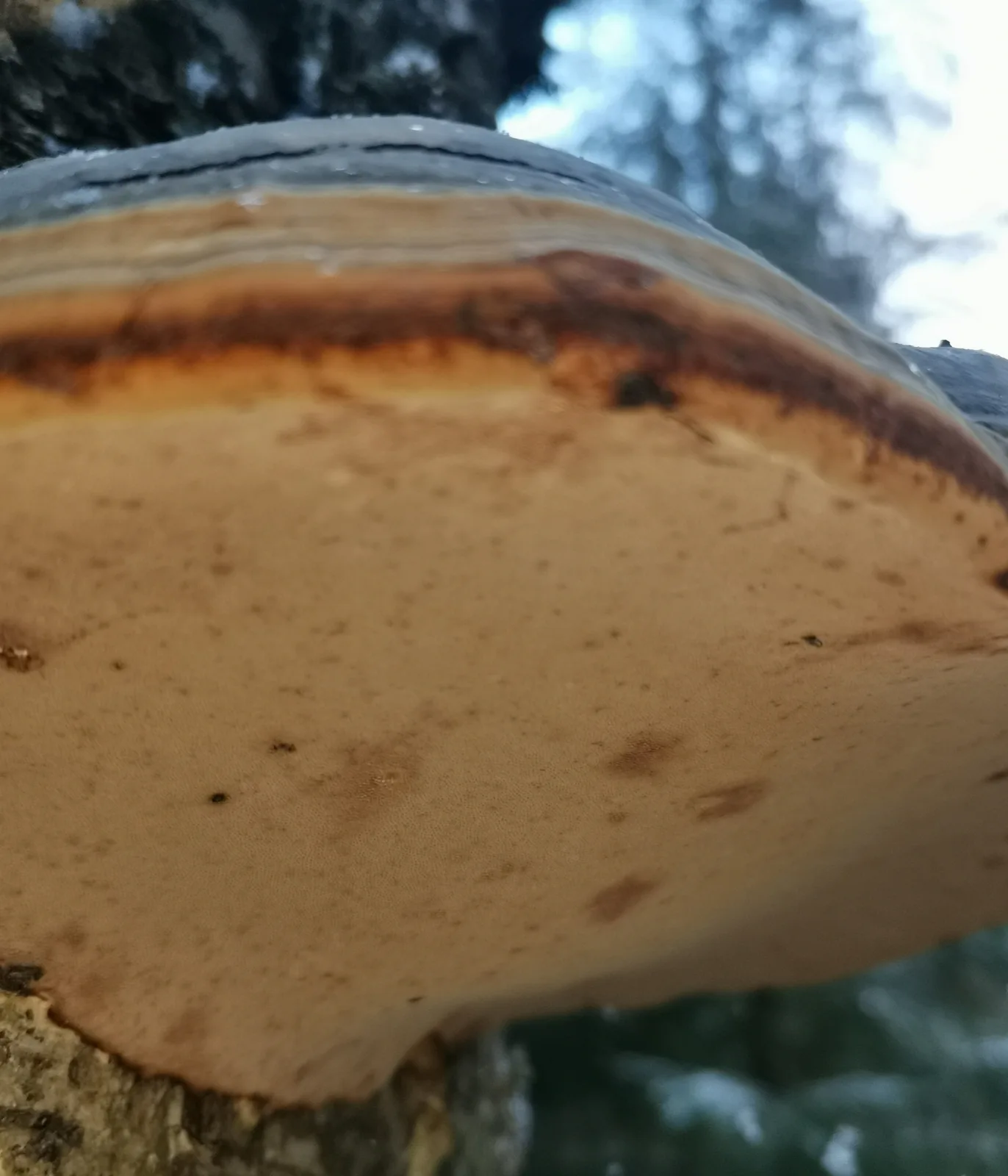
Tinder Fungus
Fomes fomentarius
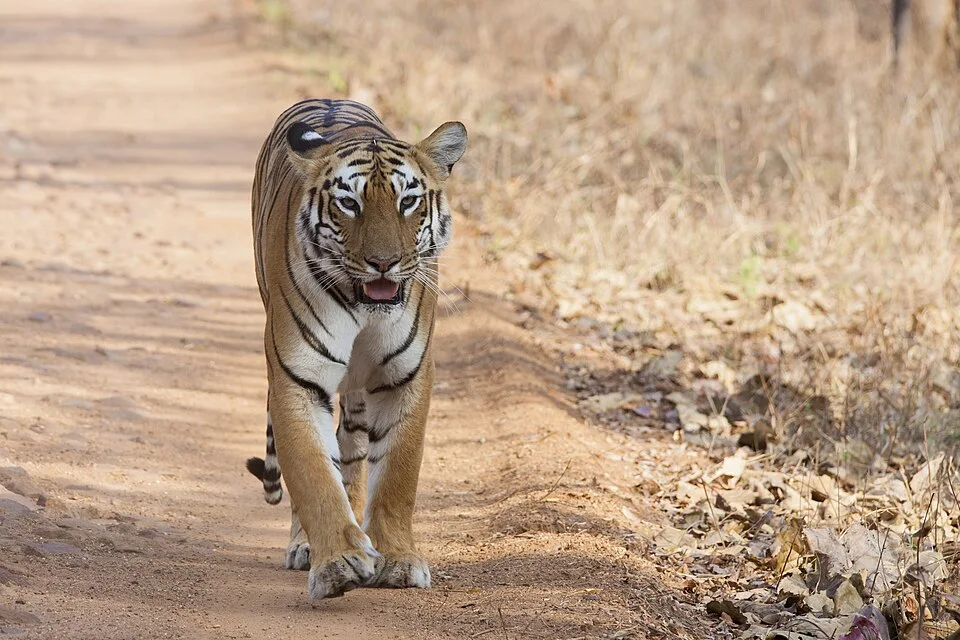
Tiger
Panthera tigris
Evidence from the profiles
Compare their characteristics
| Trait | Tinder Fungus | Tiger |
|---|---|---|
| Nutrition | Data unavailable | Carnivorous Source ↗ |
| Social organization | Not applicable | Generally solitary Source ↗ |
| Physical traits | A grayish, zoned upper surface contrasts with a brown underside covered in small pores. There is no central mushroom stem. | Dark stripes break up the tiger’s outline. Stripe patterns vary from one individual to another. |
| Habitat and range | Standing and fallen hardwoods, particularly birch and beech, provide host material and a substrate. | Tigers live in varied habitats, including tropical forests, mangrove swamps and temperate forest. |
| Diet and nutrition | The fungus causes white rot, breaking down components of wood and absorbing released nutrients. | Tigers mainly hunt large mammals, including deer and wild pigs. |
| Behavior and activity | Data unavailable | A tiger usually hunts by stalking its prey and attacking at close range. |
| Reproduction and life cycle | Successive tube layers contribute to a durable bracket. Spores are produced within the pore-bearing tubes rather than on exposed gills. | Data unavailable |
| Geographic distribution | The cited field account documents broad occurrence in northern and temperate North America. The photograph is a source-identified specimen, not a map of the species’ complete range. | Data unavailable |
| Ecological role | It may inhabit living trees and continue decomposing wood after the host dies. | Data unavailable |
| Distinctive adaptations | A hard, persistent fruiting body contrasts with short-lived fleshy mushrooms. Its historical use as tinder reflects properties of the fungal tissue, not a different biological role. | Data unavailable |
Classification
Shared ancestry
Closest shared taxon: Opisthokonta.