 Living Beings
Compare species
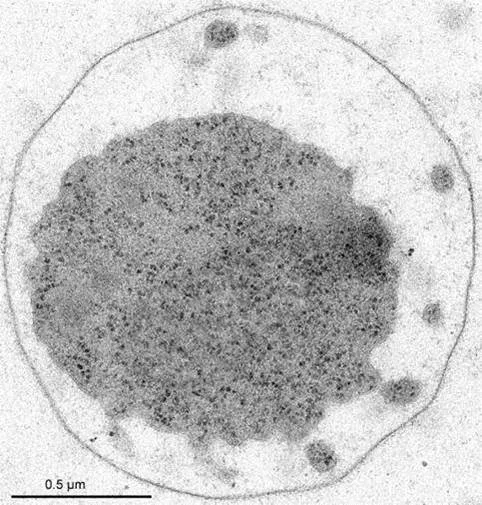
Ignicoccus hospitalis
Ignicoccus hospitalis
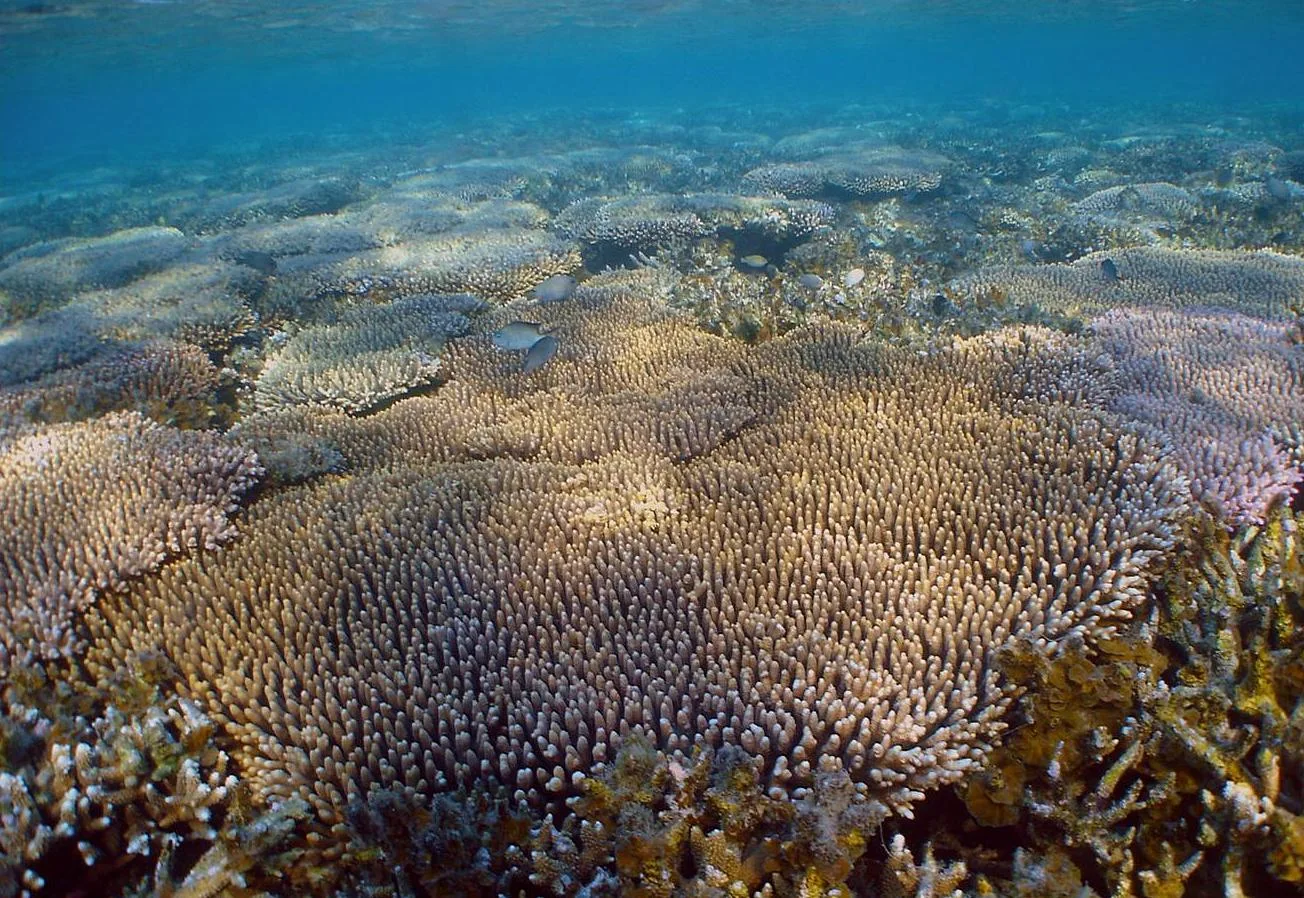
Acropora millepora
Acropora millepora
How to compare two organisms
Choose two species and trace their closest shared group. Then compare a trait with the same definition on each side. Check the units, life stage and context before interpreting a measurement or range.
Missing data means that the collection lacks a sourced value. Where a characteristic does not apply to a lineage, the comparison labels it separately. Open the two profiles for context and follow their sources before drawing a conclusion.
Evidence from the profiles
Compare their characteristics
| Trait | Ignicoccus hospitalis | Acropora millepora |
|---|---|---|
| Physical traits | Electron microscopy reveals an inner membrane, an outer membrane and a substantial space between them. The image is a section through a cell, not a surface portrait. | Colonies form branching structures covered by small skeletal cups that house polyps. Colony color alone is insufficient for secure species identification. |
| Habitat and range | The cultured organism originates from a hot marine hydrothermal environment and grows under oxygen-free conditions. | Shallow, well-lit marine reef environments support the coral and its photosynthetic partners. |
| Diet and nutrition | It can use hydrogen and sulfur in an energy metabolism coupled to carbon fixation. It does not need sunlight to build organic material. | Polyps capture small suspended food, while algal symbionts contribute photosynthetic products. |
| Behavior and activity | Nanoarchaeum cells can attach to the host surface. The host can be grown independently, whereas the attached partner has severe metabolic limitations. | Tentacles and mucus help the colony interact with surrounding seawater. Recognition mechanisms influence responses to microbes. |
| Reproduction and life cycle | Cell growth and division maintain the host population. Association with the partner changes the biological context, but the two organisms remain distinct species. | Colonies grow by producing additional polyps. Sexual reproduction can release gametes that develop into settling larvae. |
| Geographic distribution | Data unavailable | The species occurs in the Indo-Pacific reef region. Species-level locality records should accompany detailed range mapping. |
| Ecological role | The association is a model for studying dependence between archaeal species. A single friendly label such as mutualism can conceal unresolved biological costs and exchanges. | Skeletal growth contributes reef structure and habitat. Symbiotic interactions are central to energy supply and colony health. |
| Distinctive adaptations | Its membrane organization is exceptional among well-studied archaea and has been investigated using detailed electron-microscopy methods. | A colonial body and partnerships with photosynthetic cells support growth in well-lit reef environments. |
| Conservation | Data unavailable | Thermal stress, bleaching and degradation of reef habitat are concerns. A source on molecular recognition does not establish a current Red List category. |
Classification
Shared ancestry
Closest shared taxon: cellular organisms.