 Living Beings
Compare species
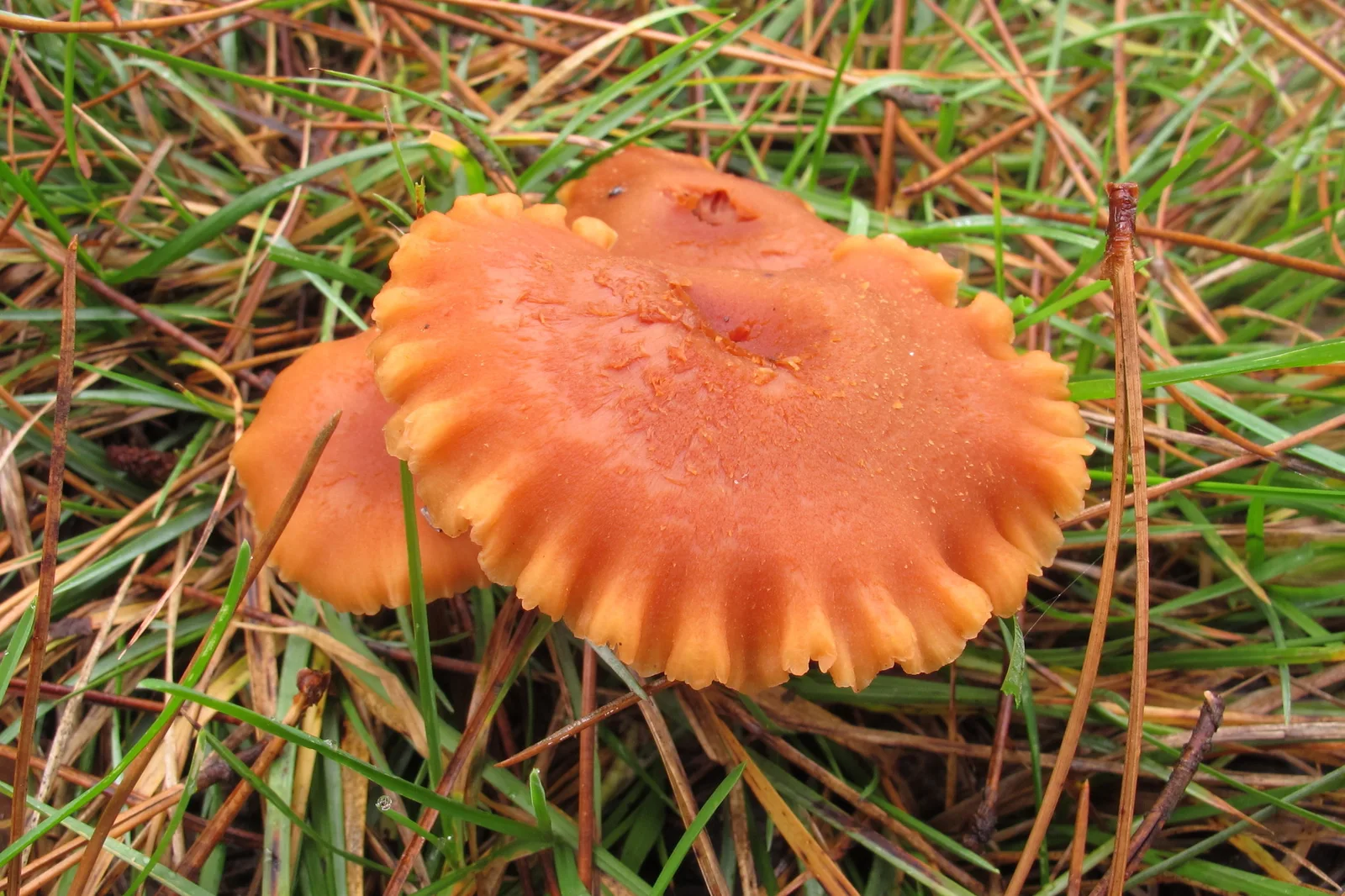
Laccaria bicolor
Laccaria bicolor
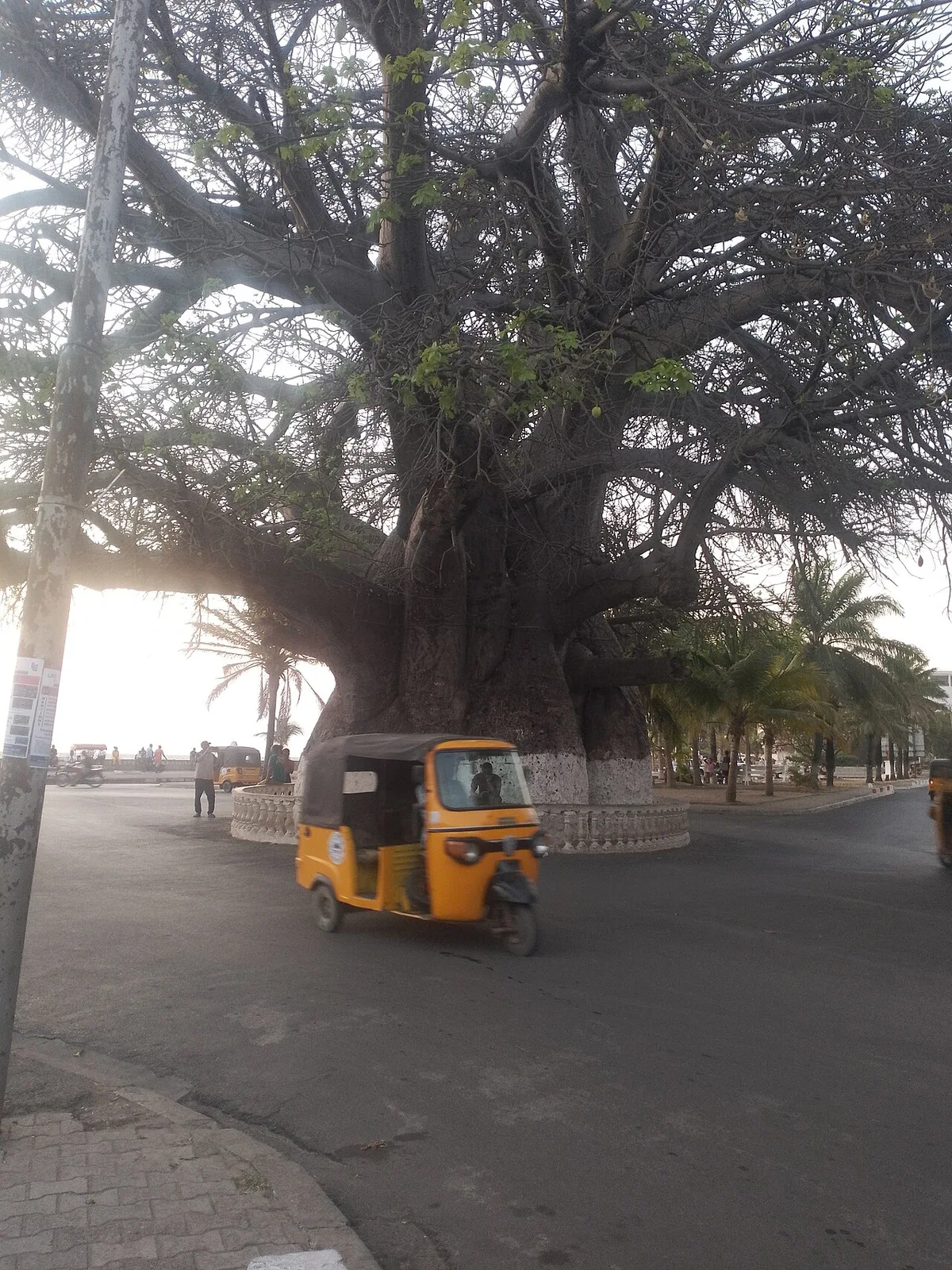
African Baobab
Adansonia digitata
How to compare two organisms
Choose two species and trace their closest shared group. Then compare a trait with the same definition on each side. Check the units, life stage and context before interpreting a measurement or range.
Missing data means that the collection lacks a sourced value. Where a characteristic does not apply to a lineage, the comparison labels it separately. Open the two profiles for context and follow their sources before drawing a conclusion.
Evidence from the profiles
Compare their characteristics
| Trait | Laccaria bicolor | African Baobab |
|---|---|---|
| Physical traits | Young mushrooms combine a pinkish or tan cap with lilac tones in the gills and mycelium around the stem base. Those colors fade with age. The E-Flora BC account also describes a white spore deposit and ornamented spores. Related Laccaria can look similar, particularly after fading. | Thick, fibrous bark surrounds a broad trunk. Each compound leaf has several leaflets radiating from a central point. |
| Habitat and range | Documented collections include mixed woodland and soil or moss beneath conifers. Compatible living roots are central to its ectomycorrhizal habitat. The reproductive mushrooms develop above a hyphal network whose root associations are largely hidden underground. | A terrestrial tree of tropical Africa, it is adapted to seasonally dry conditions and is also planted in gardens and settlements. |
| Diet and nutrition | The fungus receives plant-derived carbon through a root partnership while hyphae explore soil resources. Its genome lacks many enzymes that attack plant cell walls but retains other organic-substrate capabilities, distinguishing it from fungi specialized in aggressive breakdown of plant tissue. | Leaves produce sugars through photosynthesis. Water and mineral nutrients are taken up through the roots. |
| Behavior and activity | Hyphae proliferate around and between the outer cells of colonized roots. The genome study identified small secreted proteins strongly associated with symbiotic tissues, connecting development of the root interface with altered fungal gene activity. | Data unavailable |
| Reproduction and life cycle | Basidia on the gills produce spores. Spores provide opportunities to establish new fungal growth, while the vegetative mycelium occupies soil and root-associated habitats. Mushrooms are reproductive structures, rather than the whole extent of an individual fungus. | Large, hanging white flowers develop into capsules containing seeds embedded in pale, powdery pulp. New trees can be grown from seed. |
| Geographic distribution | The species has documented North American collections, including several Canadian provinces and western and northern US states in the E-Flora BC treatment. A primary Swedish revision also recognizes Laccaria bicolor among the country's taxa. Together these establish a range extending beyond the genome reference isolate in North America and northern Europe. They do not justify assigning every photograph or culture a global wild range. | Native to Africa and cultivated elsewhere. The accompanying photograph shows a planted specimen in Madagascar; that location should not be confused with the native range of every baobab species. |
| Ecological role | The root partnership contributes to forest carbon and nitrogen cycling. Experimental work uses Laccaria bicolor to investigate how a fungus colonizes living roots and coordinates resource exchange with a host. | Its flowers, fruit and extensive woody structure provide biological resources. The familiar name baobab also applies to other species, which should not be confused with this one. |
| Distinctive adaptations | Symbiosis-associated secreted proteins and selective enzyme capabilities distinguish its root-associated lifestyle. Fading pigments are also important for field identification: the lilac tones of fresh young specimens may be lost as the mushrooms age. | A substantial trunk and drought-resistant growth form help distinguish this tree from many humid-forest trees. |
Classification
Shared ancestry
Closest shared taxon: Eukaryota.