 Living Beings
 Framed for display
Compare species
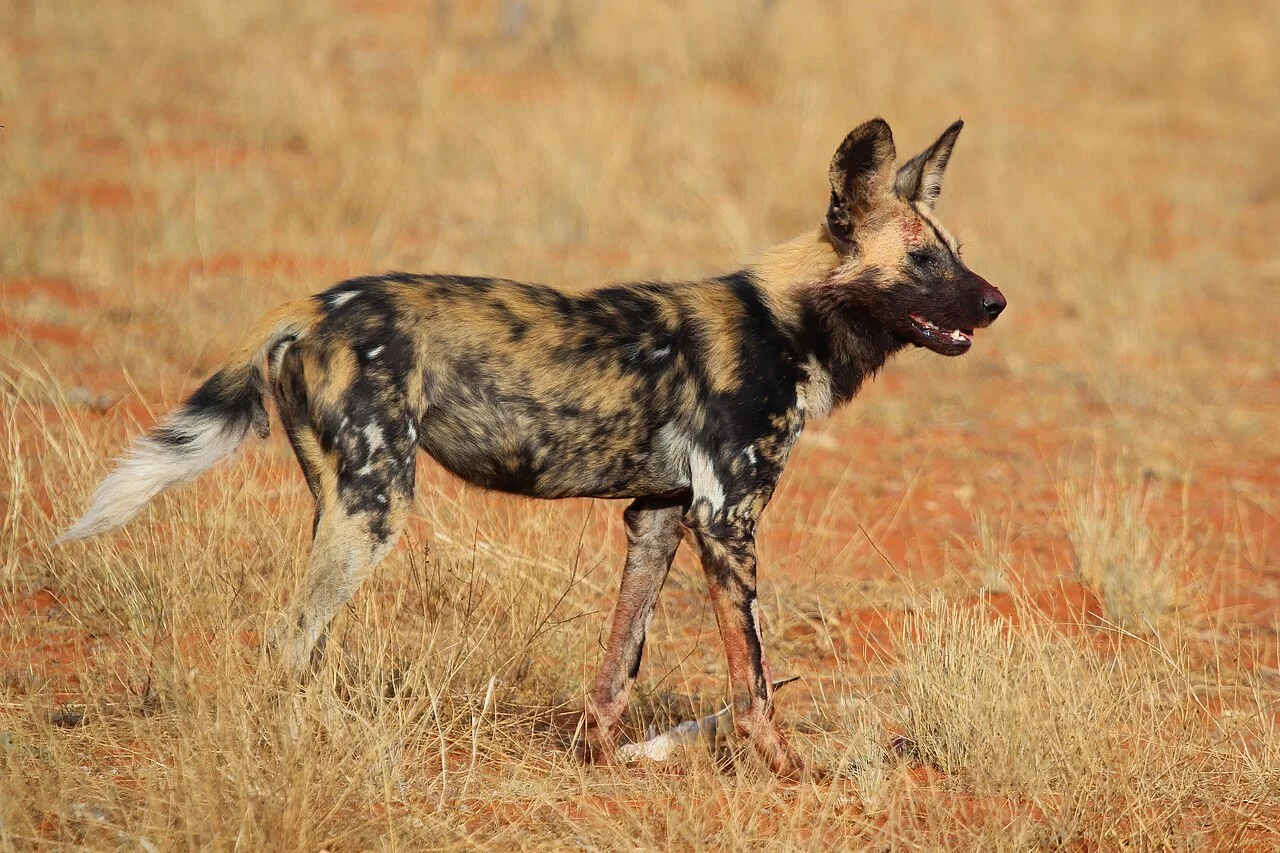
African Wild Dog
Lycaon pictus
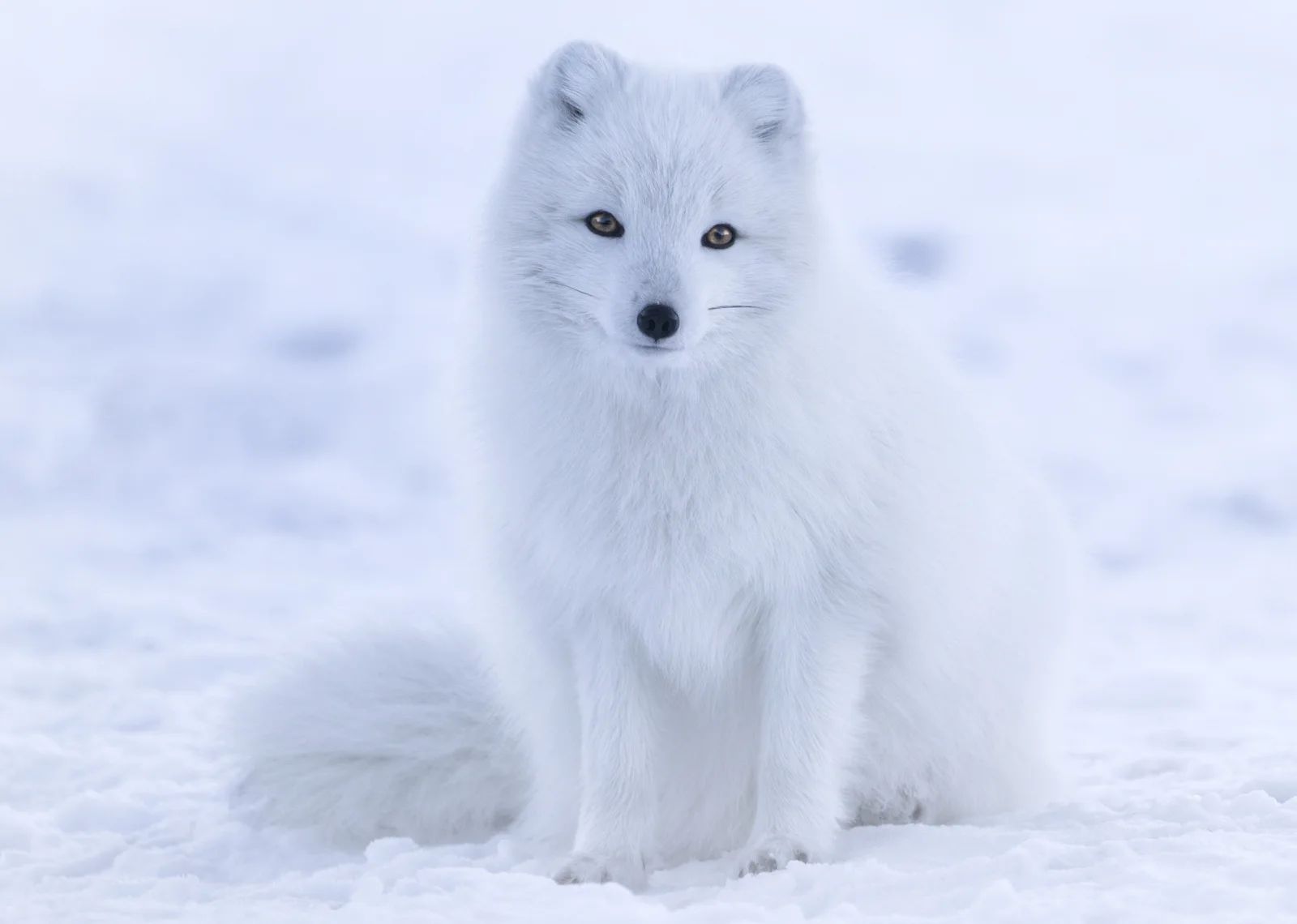
Arctic Fox
Vulpes lagopus
Try a comparison
How to compare two organisms
Choose two species and trace their closest shared group. Then compare a trait with the same definition on each side. Check the units, life stage and context before interpreting a measurement or range.
Missing data means that the collection lacks a sourced value. Where a characteristic does not apply to a lineage, the comparison labels it separately. Open the two profiles for context and follow their sources before drawing a conclusion.
Biological comparison
Means, ranges and reported maxima describe different things. Check the source and population before comparing values.
Classification
Shared ancestry
Closest shared taxon · Canidae.
Separate lineages
African Wild DoggenusLycaonspeciesLycaon pictus
Arctic FoxgenusVulpesspeciesVulpes lagopus
| Characteristic | African Wild Dog | Arctic Fox |
|---|---|---|
Scientific measurements | Scientific measurements | |
| Body mass | No measurement recorded |
2.7–4.5 kg
Reported range · Adult Source and measurement contextFully grown foxes in the Alaska agency account. Metric range rounded. · ≈ 6.0–9.9 lb Mass of an individual animal.
|
Natural history | Natural history | |
| Nutrition and energy acquisition |
Ungulates are important prey, with hunting organized through cooperation among pack members. Source 1 ↗Source 2 ↗ |
Small mammals, birds, eggs and carrion are taken opportunistically. Food collected during periods of abundance can be cached for later use. Source 1 ↗Source 2 ↗ |
| Habitat |
Savannas and other suitable landscapes must provide prey, den sites and room for pack movements. Source 1 ↗Source 2 ↗ |
Treeless tundra, coastal plains and nearby shorelines offer den sites and seasonally changing food supplies. Source 1 ↗Source 2 ↗ |
| Geographic distribution |
The Mammal Diversity Database v2.5 records this species in Angola, Benin, Botswana, Burkina Faso, Central African Republic, Chad, Ethiopia, Kenya, …The Mammal Diversity Database v2.5 records this species in Angola, Benin, Botswana, Burkina Faso, Central African Republic, Chad, Ethiopia, Kenya, Malawi, Mozambique, Namibia, Niger, Senegal, South Africa, South Sudan, Sudan, Tanzania, Zambia, Zimbabwe, Algeria?, Cote d'Ivoire?, Democratic Republic of the Congo?, Guinea?, Guinea-Bissau?, Mali?, Nigeria?, Togo?, Uganda?. |
Found around the Arctic, including northern Alaska. Coastal and inland populations experience different combinations of prey and scavenging opportunities. Source 1 ↗Source 2 ↗ |
| Morphology |
Large rounded ears and irregular dark, pale and tawny patches distinguish individuals. Source 1 ↗Source 2 ↗ |
A rounded body and short ears reduce exposed surface area. White-morph animals change from a darker summer coat to white winter fur; blue-morph foxes retain darker winter coloration. Source 1 ↗Source 2 ↗ |
| Reproduction and life cycle |
No separate account recorded |
Pups are raised in dens, and both parents can help bring food and care for them. Source 1 ↗Source 2 ↗ |
| Behavior and activity |
Social packs share roles in hunting and rearing pups. A denning pack has different movement constraints from one traveling without …Social packs share roles in hunting and rearing pups. A denning pack has different movement constraints from one traveling without dependent young. Before leaving a resting site, African wild dogs sometimes gather in a social rally. In a study of packs in Botswana, rallies with more audible nasal exhalations, described as sneezes, were more likely to lead to departure. The number associated with departure also depended on whether a dominant animal initiated the rally. The observations suggest a group decision process in which signals from several animals can matter. |
Foxes search widely for food and use established dens to raise young. Their flexible feeding behavior is valuable in environments where food availability changes sharply. Source 1 ↗Source 2 ↗ |
| Environmental adaptations |
No separate account recorded |
Insulation comes from dense seasonal fur, including hair on the feet. Seasonal coat color also changes how conspicuous an animal is against its surroundings. Source 1 ↗Source 2 ↗ |
Sources from both profiles
African Wild Dog
More comparisons
Framed for display

 Framed for display

 Framed for display
