Living Beings

 Framed for display
Species · Canis
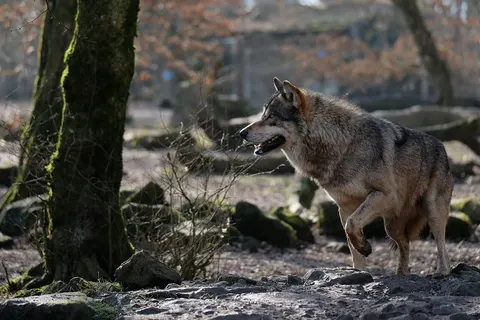
Gray Wolf
Canis lupus
Gray wolves are social canids whose family groups coordinate travel, defense and the care of young. Their behavior is flexible: prey, terrain …
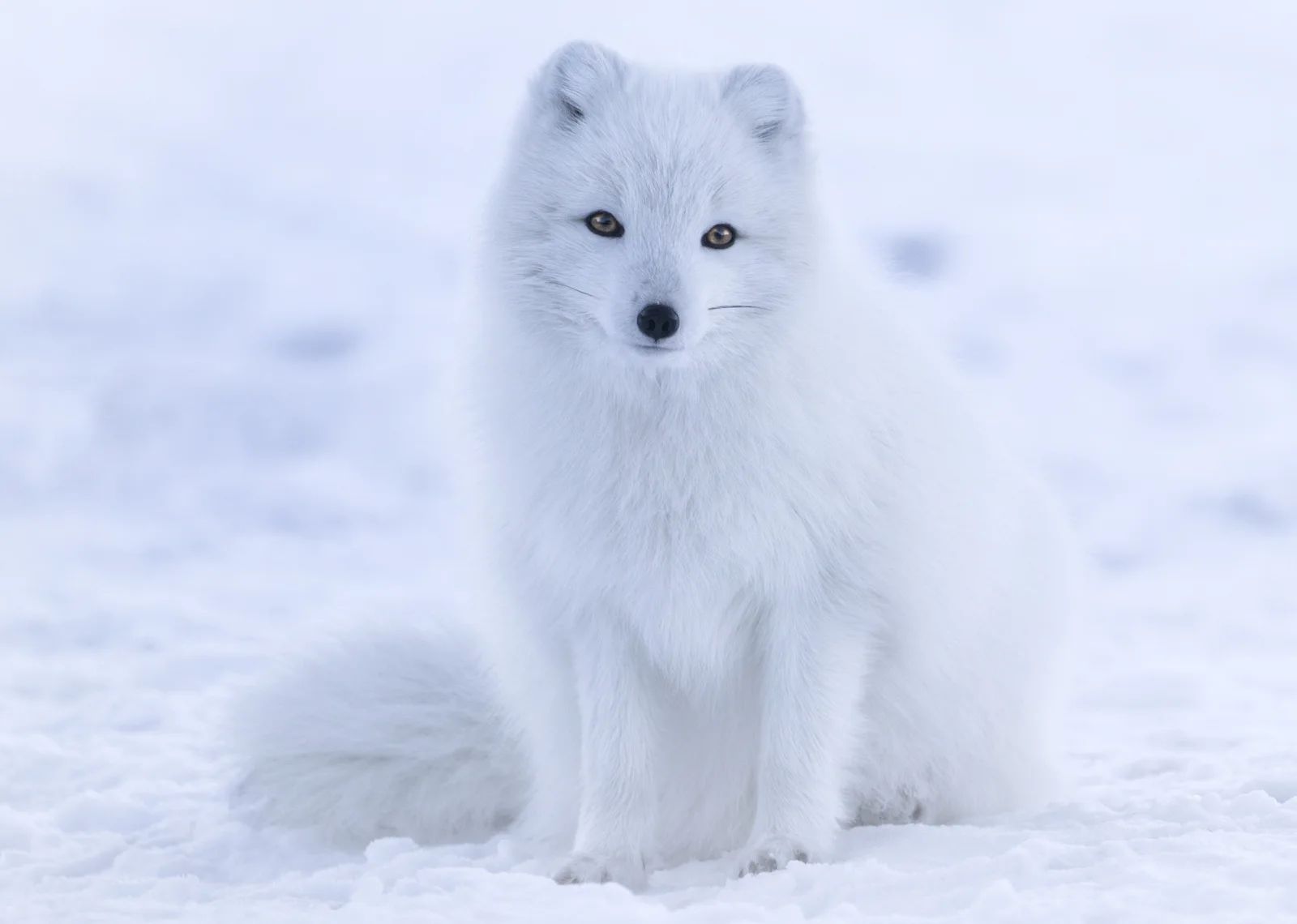
Vulpes lagopus in Iceland (cropped 2).jpg · Resized and converted to WebP for display. Documentary organism photograph; source identification retained. AI-generated illustration. Jonatan Pie ( unsplash.com/@r3dmax ) · CC0
Field guide · species
Vulpes lagopus
The Arctic fox is a small northern canid adapted to cold, open landscapes. Dense fur, compact ears and fur-covered feet help it remain active through Arctic winters.
Public research profile · final editorial review pending.
Complete source lineage, including intermediate ranks. The standard view uses Life and the eight principal ranks.
A rounded body and short ears reduce exposed surface area. White-morph animals change from a darker summer coat to white winter fur; blue-morph foxes retain darker winter coloration.
Treeless tundra, coastal plains and nearby shorelines offer den sites and seasonally changing food supplies.
Small mammals, birds, eggs and carrion are taken opportunistically. Food collected during periods of abundance can be cached for later use.
Foxes search widely for food and use established dens to raise young. Their flexible feeding behavior is valuable in environments where food availability changes sharply.
Pups are raised in dens, and both parents can help bring food and care for them.
Found around the Arctic, including northern Alaska. Coastal and inland populations experience different combinations of prey and scavenging opportunities.
Insulation comes from dense seasonal fur, including hair on the feet. Seasonal coat color also changes how conspicuous an animal is against its surroundings.
Shared classification
Framed for display
Canis lupus
Gray wolves are social canids whose family groups coordinate travel, defense and the care of young. Their behavior is flexible: prey, terrain …
 Framed for display
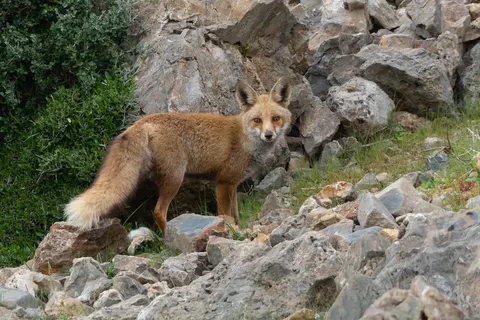
Vulpes vulpes
The red fox is a small canid with a pointed muzzle, large ears and a conspicuous tail. Its flexible feeding habits help …
 Framed for display
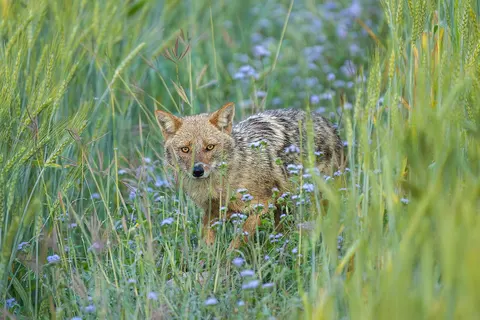
Canis aureus
The golden jackal is an adaptable canid whose common name has historically been applied too broadly. This account uses the current linked …
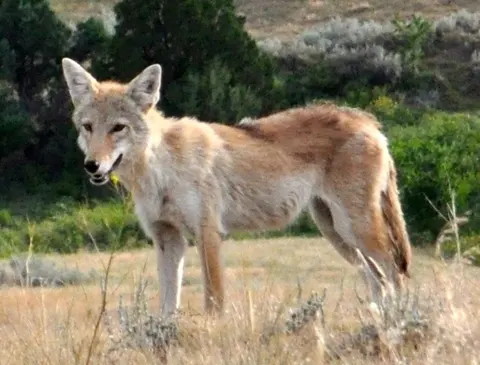 Framed for display
Canis latrans
The coyote is an adaptable North American canid that can live in natural and human-modified landscapes. Its success reflects flexible food use …
Evidence
Connected life
No reviewed ecological connections in the collection yet.
Explore network ↗