 Living Beings
Compare species
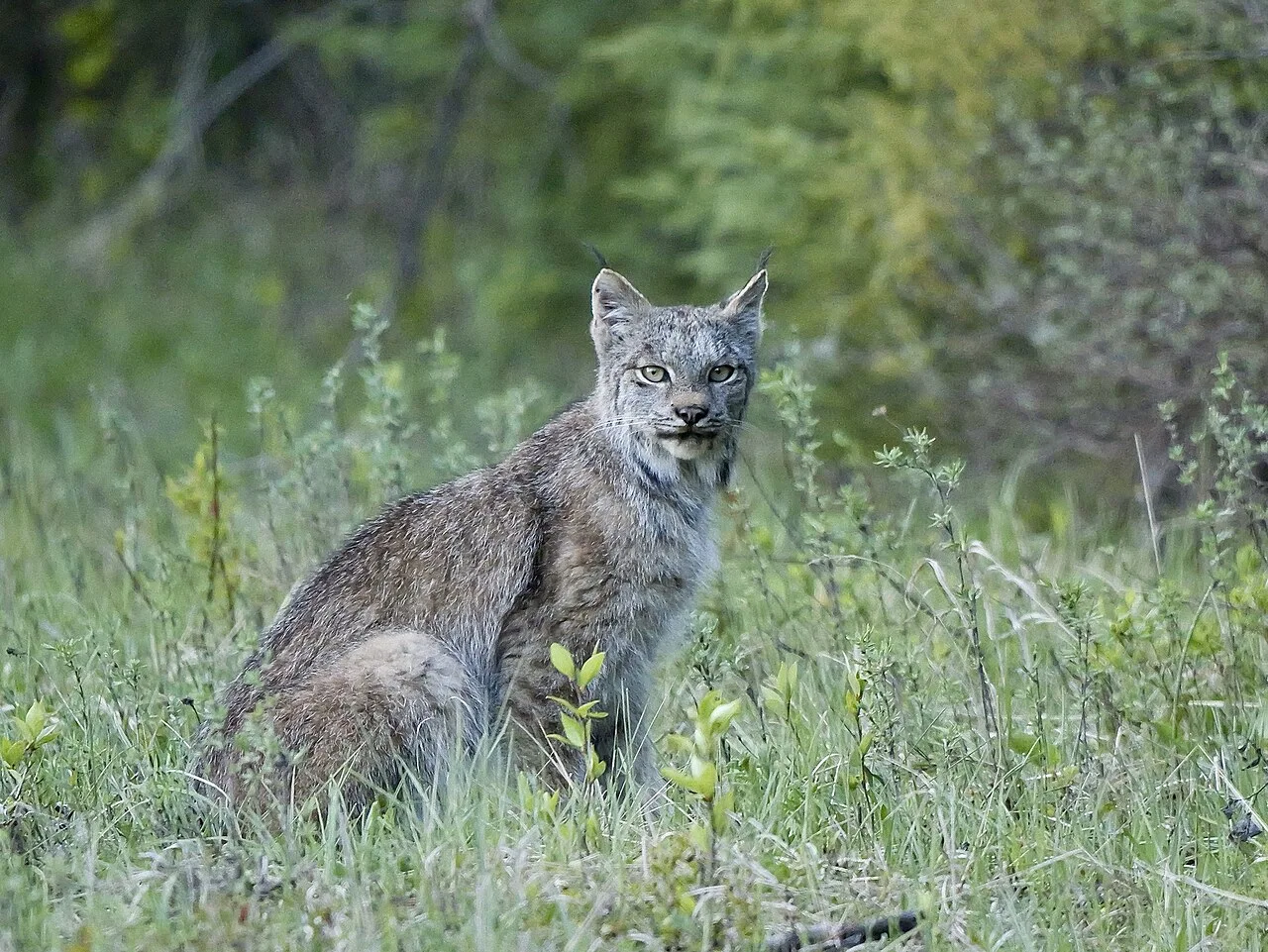
Canada Lynx
Lynx canadensis
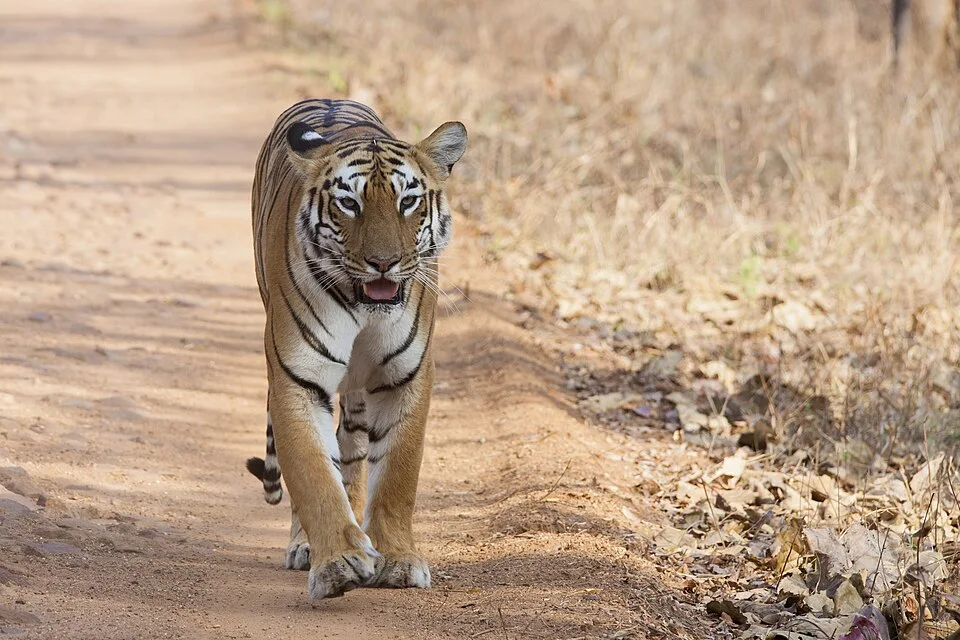
Tiger
Panthera tigris
Evidence from the profiles
Compare their characteristics
| Trait | Canada Lynx | Tiger |
|---|---|---|
| Nutrition | Data unavailable | Carnivorous Source ↗ |
| Social organization | Data unavailable | Generally solitary Source ↗ |
| Physical traits | Long fur, broad furry feet, ear tufts and a short dark-tipped tail are characteristic. | Dark stripes break up the tiger’s outline. Stripe patterns vary from one individual to another. |
| Habitat and range | Boreal forests and areas with suitable prey and cover are important habitats. | Tigers live in varied habitats, including tropical forests, mangrove swamps and temperate forest. |
| Diet and nutrition | Snowshoe hares are especially significant prey, although other animals are also eaten. | Tigers mainly hunt large mammals, including deer and wild pigs. |
| Behavior and activity | Adults are generally solitary and maintain ranges. Mother–young associations differ from the more independent lives of adults. | A tiger usually hunts by stalking its prey and attacking at close range. |
| Geographic distribution | The Mammal Diversity Database v2.5 records this species in Canada, United States. | Data unavailable |
Classification
Shared ancestry
Closest shared taxon: Felidae.
Explore the taxonomy ↗