 Living Beings

 Framed for display
Species · Lynx
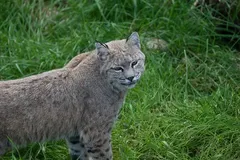
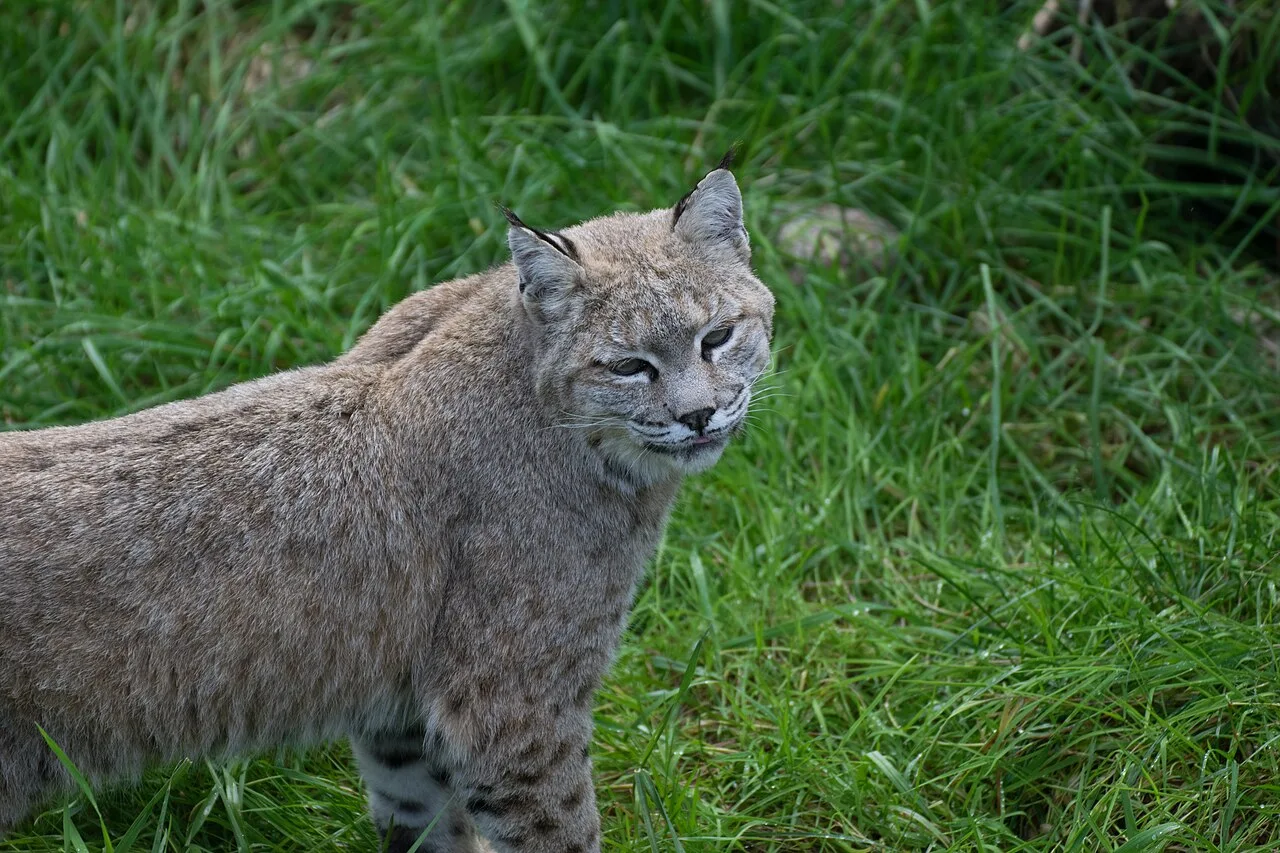
Bobcat
Lynx rufus
The bobcat is a short-tailed North American felid that uses many different environments. Its adaptability should not obscure its need for cover, …
Genus · Scientific classification
Lynx is a genus of cats in Felidae. Its four living species are the Canada lynx, Eurasian lynx, Iberian lynx and bobcat.
 Framed for display
Explore broader group · Felidae ↗
NCBI Taxonomy (2026-11-05 reconciled backbone) · Taxon source ↗
Group guide
A cat of northern North American boreal and mixed forests. Its wide, furred feet help it travel on snow. Snowshoe hares are an important prey and their abundance strongly influences lynx populations.
Source for canada lynx ↗Found from southern Canada through much of the United States into Mexico. It uses a wider variety of settings than the Canada lynx, from forests to dry scrub. Where they overlap, look at the feet and the underside of the tail as well as the ears.
Source for bobcat ↗Its range extends from parts of Europe across northern and central Asia. It uses wooded and rocky habitats and can hunt small ungulates such as roe deer where they are available.
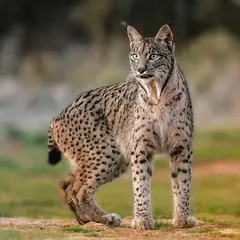
Source for eurasian lynx ↗Native to the Iberian Peninsula. Patches of Mediterranean scrub provide cover, and adjoining openings can support the European rabbits it hunts.
Source for iberian lynx ↗The bobcat has smaller feet and the underside of its tail tip is usually white. The Canada lynx typically has a tail tip that is black all the way around. Both can have tufted ears. Consider range, track dimensions and the visible tail markings together.
Source for two north american lynxes ↗The Canada lynx and Iberian lynx illustrate how closely related cats can depend on different prey. The IUCN’s 2024 account links Iberian lynx recovery to several measures, including rabbit recovery, habitat management and reintroduction.
Source for prey can shape a lynx population ↗The Eurasian lynx is the largest living species in the genus. Published summaries show size overlap among the bobcat, Iberian lynx and Canada lynx. A small bobcat and a large bobcat can differ substantially, and mass ranges depend on sex and population. Compare like measurements for animals of similar life stage.
Source for comparing the sizes of lynxes ↗Living species · MDD v2.5 · 28 July 2026
4 living species in 1 genera in this dated checklist; 4 have public profiles here.
The main tree follows NCBI. MDD can recognize different species boundaries or spellings; these differences are shown below. A taxonomy record is not a completed natural-history article.
Checklist attribution: Mammal Diversity Database (2026), version 2.5. American Society of Mammalogists. Only living species are included; subspecies and extinct species are outside this checklist.
Within this taxon
Framed for display
Lynx rufus
The bobcat is a short-tailed North American felid that uses many different environments. Its adaptability should not obscure its need for cover, …
 Framed for display
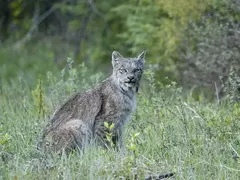
Lynx canadensis
The Canada lynx is a northern forest cat with a close ecological connection to snowshoe hares. Changes in hare abundance can influence …
 Framed for display
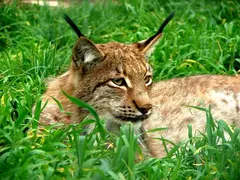
Lynx lynx
The Eurasian lynx is a large lynx whose prey can be substantially bigger than the rabbits and hares associated with some other …
 Framed for display
Lynx pardinus
The Iberian lynx is a spotted cat whose ecology is strongly linked to European rabbits. Its conservation story depends on prey recovery …