Living Beings

 Framed for display
Species · Panthera
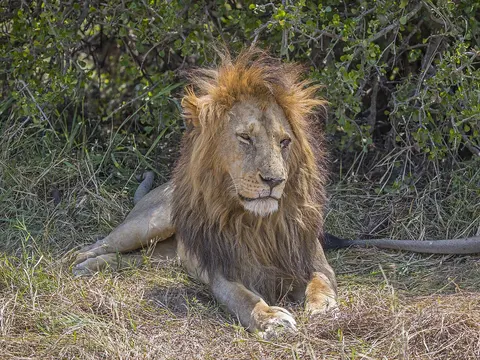
Lion
Panthera leo
Lions are social cats that live in groups called prides. A pride usually includes related females, their young, and one or more …
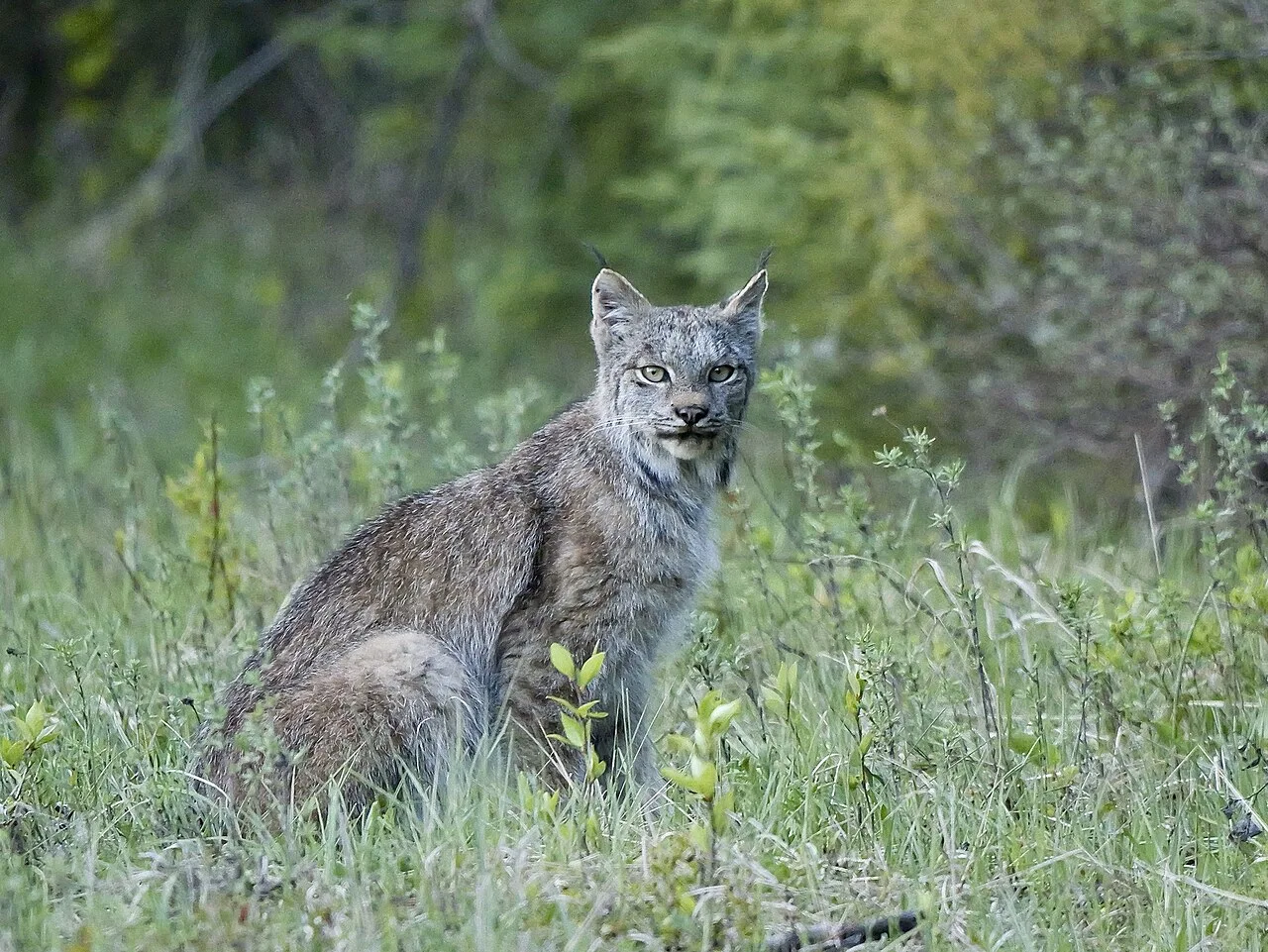
Lynx canadensis 390072761.jpg · Resized and converted to WebP for display. AI-generated illustration. timboucher · CC BY 4.0
Field guide · species
Lynx canadensis
The Canada lynx is a northern forest cat with a close ecological connection to snowshoe hares. Changes in hare abundance can influence lynx populations, illustrating how prey availability shapes a predator’s life.
Public research profile · final editorial review pending.
Complete source lineage, including intermediate ranks. The standard view uses Life and the eight principal ranks.
Long fur, broad furry feet, ear tufts and a short dark-tipped tail are characteristic.
Boreal forests and areas with suitable prey and cover are important habitats.
Snowshoe hares are especially significant prey, although other animals are also eaten.
Adults are generally solitary and maintain ranges. Mother–young associations differ from the more independent lives of adults.
The Mammal Diversity Database v2.5 records this species in Canada, United States.
Shared classification
Framed for display
Panthera leo
Lions are social cats that live in groups called prides. A pride usually includes related females, their young, and one or more …
 Framed for display
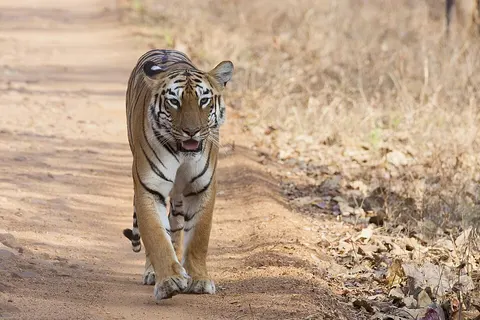
Panthera tigris
Tigers are large, striped cats native to Asia. Adults generally live and hunt alone.
 Framed for display
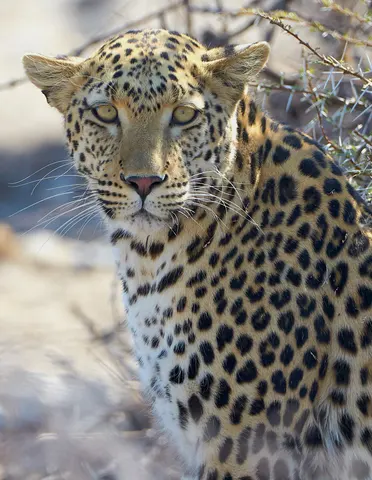
Panthera pardus
Rosettes, a muscular body and an unusually flexible choice of habitat distinguish the leopard. This solitary cat hunts from cover and can …
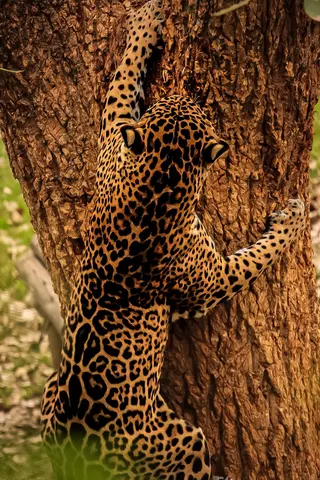 Framed for display
Panthera onca
The jaguar is the largest living cat native to the Americas. Its stocky build, broad head and rosetted coat suit an ambush …
Evidence
Connected life
No reviewed ecological connections in the collection yet.
Explore network ↗