 Living Beings
 Framed for display
Compare species
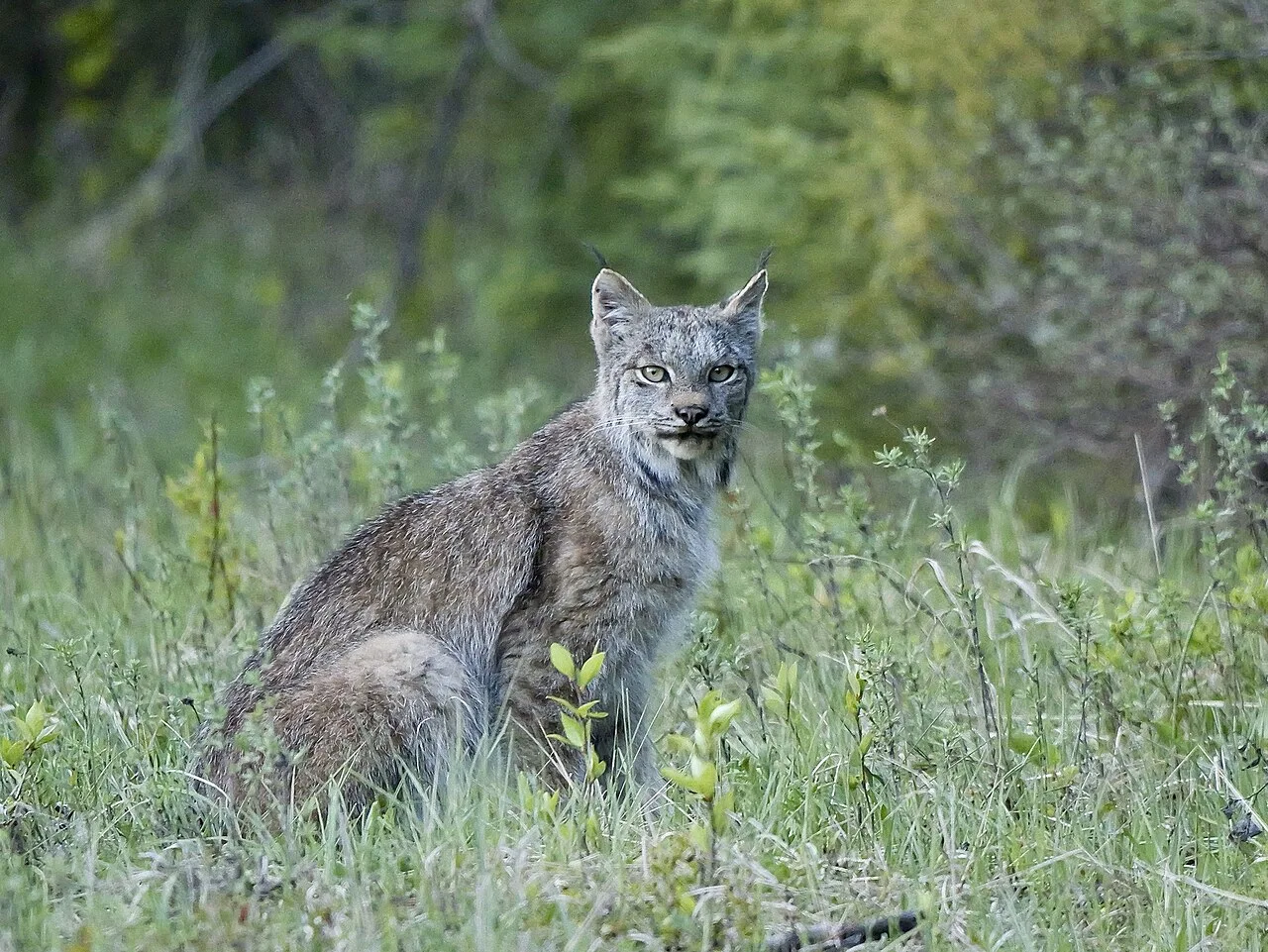
Canada Lynx
Lynx canadensis
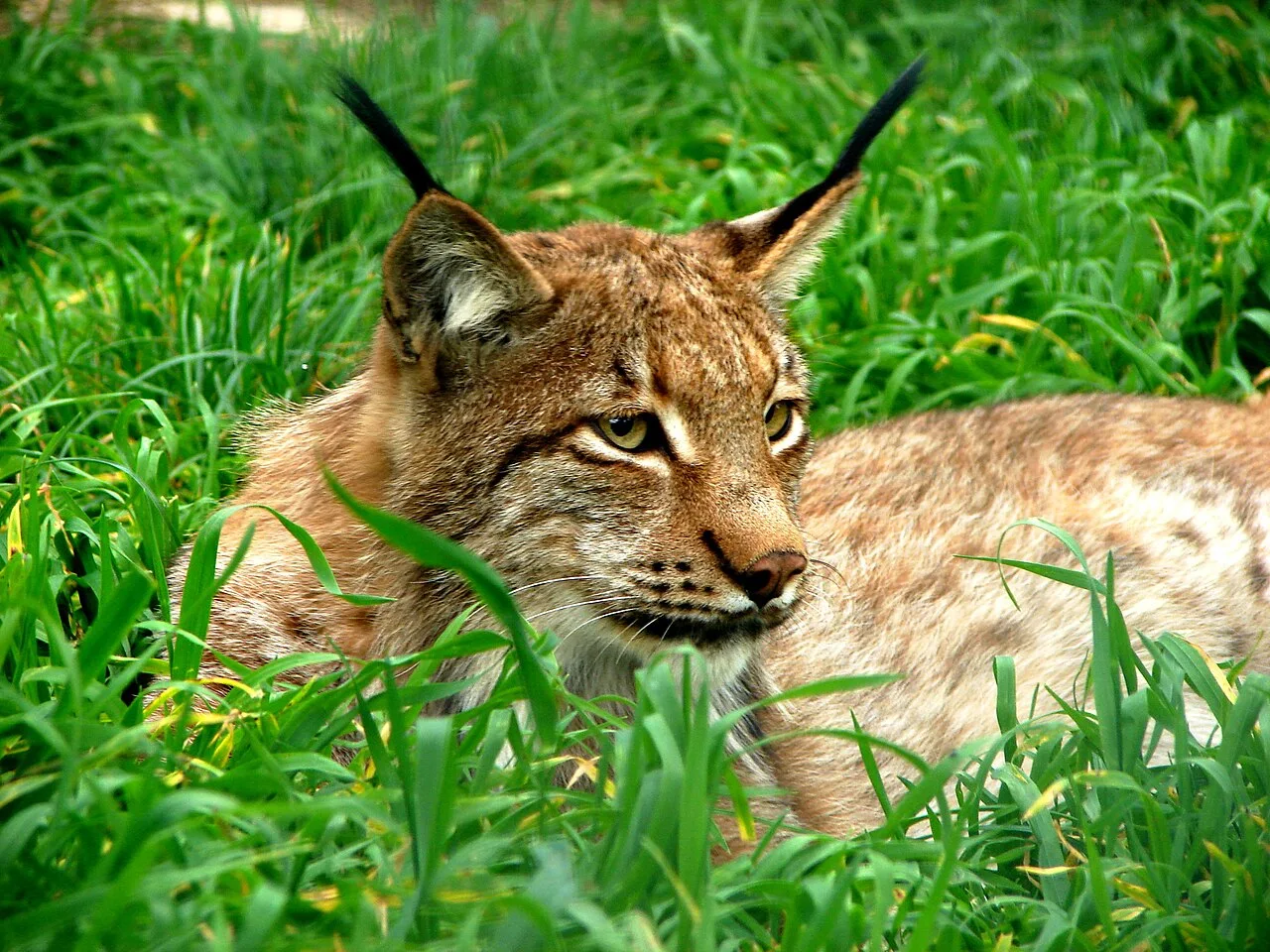
Eurasian Lynx
Lynx lynx
Try a comparison
How to compare two organisms
Choose two species and trace their closest shared group. Then compare a trait with the same definition on each side. Check the units, life stage and context before interpreting a measurement or range.
Missing data means that the collection lacks a sourced value. Where a characteristic does not apply to a lineage, the comparison labels it separately. Open the two profiles for context and follow their sources before drawing a conclusion.
Biological comparison
Means, ranges and reported maxima describe different things. Check the source and population before comparing values.
Classification
Shared ancestry
Closest shared taxon · Lynx.
- LifeLife
- DomainEukaryota
- KingdomAnimalia
- PhylumChordata
- ClassMammalia
- OrderCarnivora
- FamilyFelidae
- GenusLynx
Separate lineages
Canada LynxspeciesLynx canadensis
Eurasian LynxspeciesLynx lynx
| Characteristic | Canada Lynx | Eurasian Lynx |
|---|---|---|
Scientific measurements | Scientific measurements | |
| Body mass |
10 kg
Mean · Male · Adult Source and measurement contextAdult male average in the agency review. · ≈ 22 lb Mass of an individual animal.
8.5 kg
Mean · Female · Adult Source and measurement contextAdult female average in the agency review. · ≈ 19 lb Mass of an individual animal.
| No measurement recorded |
| Head and body length | No measurement recorded |
0.78–0.98 m
Reported range · Female · Adult · Iran · Context-specific record Source and measurement contextSample of 9 females among dead adults measured in Iran from 2008 to 2016. · ≈ 2.6–3.2 ft Head and body, excluding the tail.
0.78–1.02 m
Reported range · Male · Adult · Iran · Context-specific record Source and measurement contextSample of 8 males among dead adults measured in Iran from 2008 to 2016. · ≈ 2.6–3.35 ft Head and body, excluding the tail.
|
Natural history | Natural history | |
| Nutrition and energy acquisition |
Snowshoe hares are especially significant prey, although other animals are also eaten. A prey cycle concerns the changing availability of …Snowshoe hares are especially significant prey, although other animals are also eaten. A prey cycle concerns the changing availability of food over years. It should be distinguished from what an individual lynx ate on one occasion. Examining both long population records and local prey observations helps explain why hares are central to this cat's ecology. |
Small ungulates are important prey in many areas. Diet varies geographically rather than following one fixed prey list. Source 1 ↗Source 2 ↗ |
| Habitat |
Boreal forests and areas with suitable prey and cover are important habitats. Source 1 ↗Source 2 ↗ |
Forests, mountain woodland and some more open rocky habitats can be used where prey and cover are suitable. Source 1 ↗Source 2 ↗ |
| Geographic distribution |
Canada lynx range across boreal and montane forests in Alaska and Canada. In the contiguous United States, suitable cool forests …Canada lynx range across boreal and montane forests in Alaska and Canada. In the contiguous United States, suitable cool forests are more scattered, including areas in the Northeast, around the Great Lakes and in western mountains. The southern edge includes places with intermittent records as well as places with resident animals. Tracking the difference helps separate a dispersing lynx from an established local population. |
The Mammal Diversity Database v2.5 records this species in Afghanistan, Armenia, Austria, Azerbaijan, Bosnia and Herzegovina, Bulgaria, China, Croatia, Czech …The Mammal Diversity Database v2.5 records this species in Afghanistan, Armenia, Austria, Azerbaijan, Bosnia and Herzegovina, Bulgaria, China, Croatia, Czech Republic, Estonia, Finland, France, Georgia, Germany, Hungary, India, Iran, Iraq, Kazakhstan, Kyrgyzstan, Latvia, Liechtenstein, Lithuania, Mongolia, Nepal, North Korea, Norway, Pakistan, Poland, Romania, Russia, Slovakia, Slovenia, Sweden, Switzerland, Tajikistan, Turkey, Turkmenistan, Ukraine, Uzbekistan, Bhutan?, Greece?, Kosovo?, Moldova?, Montenegro?, Serbia?. |
| Morphology |
Long fur, broad furry feet, ear tufts and a short dark-tipped tail are characteristic. Source 1 ↗Source 2 ↗ |
Ear tufts, long legs, a short tail and variable coat markings identify the lynx form. Source 1 ↗Source 2 ↗ |
| Ecological role |
Long records from Canada show recurring changes in lynx abundance associated with snowshoe hare cycles. The timing and strength of …Long records from Canada show recurring changes in lynx abundance associated with snowshoe hare cycles. The timing and strength of the relationship can vary among regions. A short survey made when hares are scarce can give a different picture of lynx ecology from a record covering several cycles. |
No separate account recorded |
| Behavior and activity |
Adults are generally solitary and maintain ranges. Mother–young associations differ from the more independent lives of adults. Source 1 ↗Source 2 ↗ |
Individuals are mainly solitary, with enduring family associations centered on mothers and dependent young. Cover is used for resting and approaching prey. Source 1 ↗Source 2 ↗ |
Sources from both profiles
Canada Lynx
More comparisons
Framed for display

 Framed for display

 Framed for display
