Living Beings

 Framed for display
Species · Panthera
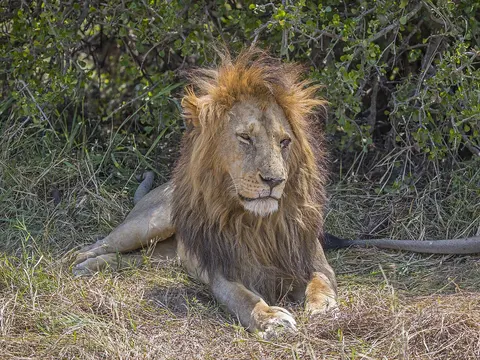
Lion
Panthera leo
Lions are social cats that live in groups called prides. A pride usually includes related females, their young, and one or more …
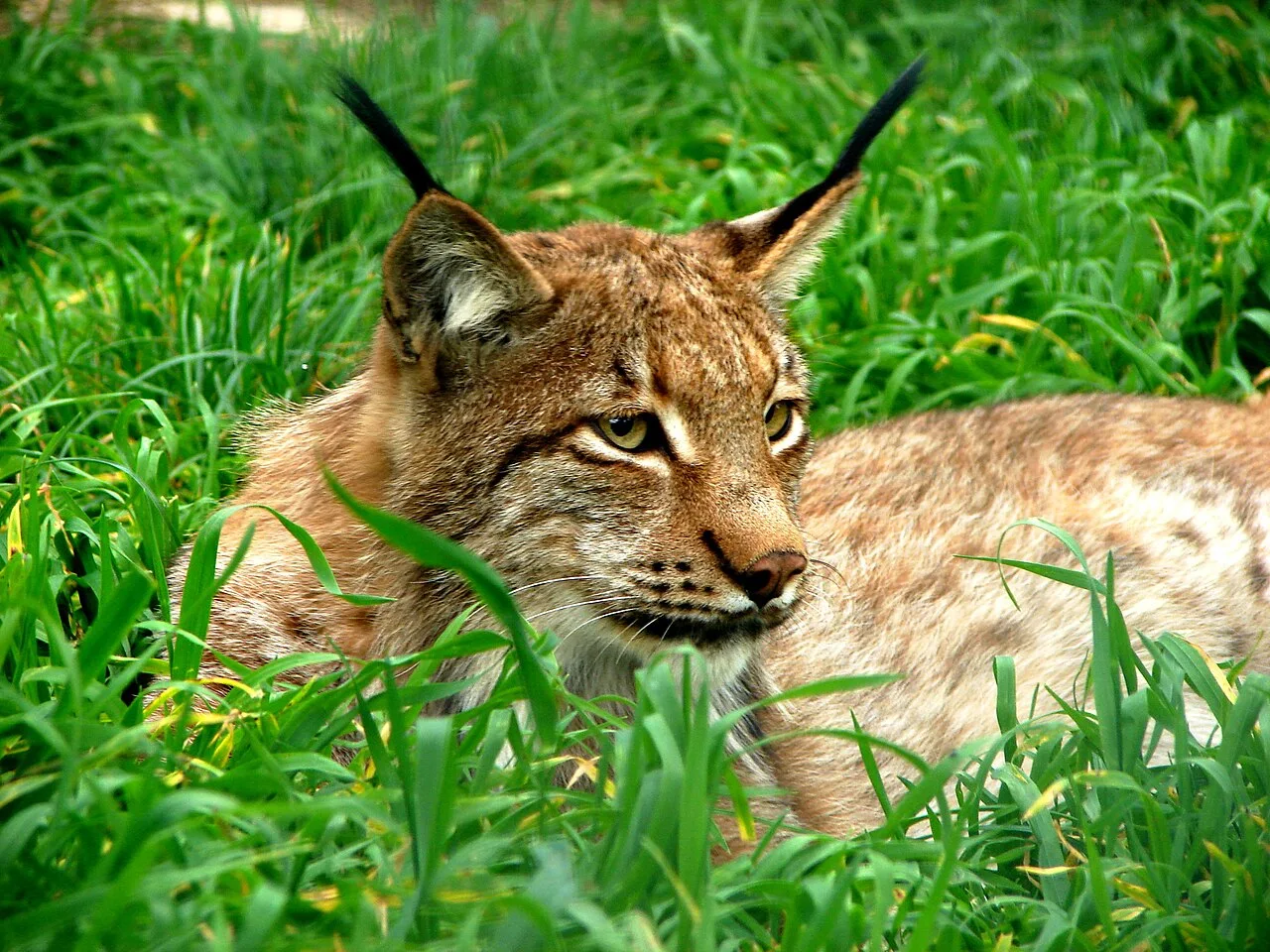
Lynx lynx in Bogazici Zoo 01155 Nevit.jpg · Resized and converted to WebP for display. AI-generated illustration. Nevit Dilmen ( talk ) · CC BY-SA 3.0
Field guide · species
Lynx lynx
The Eurasian lynx is a large lynx whose prey can be substantially bigger than the rabbits and hares associated with some other lynx species. It occupies a broad range of wooded and mountainous environments.
Public research profile · final editorial review pending.
Complete source lineage, including intermediate ranks. The standard view uses Life and the eight principal ranks.
Ear tufts, long legs, a short tail and variable coat markings identify the lynx form.
Forests, mountain woodland and some more open rocky habitats can be used where prey and cover are suitable.
Small ungulates are important prey in many areas. Diet varies geographically rather than following one fixed prey list.
Individuals are mainly solitary, with enduring family associations centered on mothers and dependent young. Cover is used for resting and approaching prey.
The Mammal Diversity Database v2.5 records this species in Afghanistan, Armenia, Austria, Azerbaijan, Bosnia and Herzegovina, Bulgaria, China, Croatia, Czech Republic, Estonia, Finland, France, Georgia, Germany, Hungary, India, Iran, Iraq, Kazakhstan, Kyrgyzstan, Latvia, Liechtenstein, Lithuania, Mongolia, Nepal, North Korea, Norway, Pakistan, Poland, Romania, Russia, Slovakia, Slovenia, Sweden, Switzerland, Tajikistan, Turkey, Turkmenistan, Ukraine, Uzbekistan, Bhutan?, Greece?, Kosovo?, Moldova?, Montenegro?, Serbia?.
Shared classification
Framed for display
Panthera leo
Lions are social cats that live in groups called prides. A pride usually includes related females, their young, and one or more …
 Framed for display
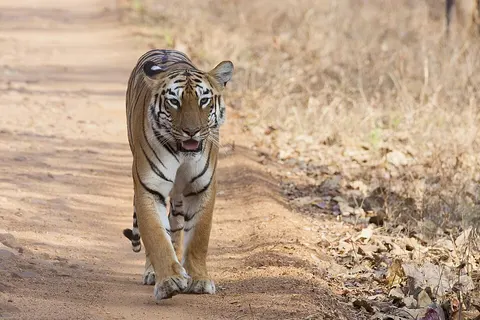
Panthera tigris
Tigers are large, striped cats native to Asia. Adults generally live and hunt alone.
 Framed for display
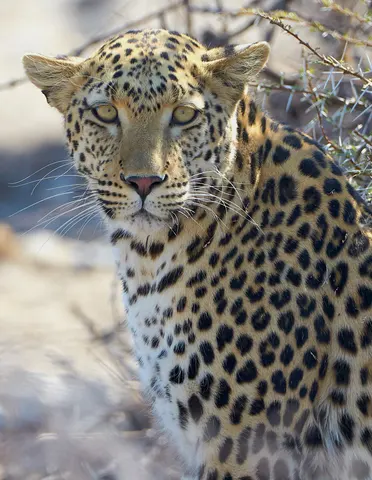
Panthera pardus
Rosettes, a muscular body and an unusually flexible choice of habitat distinguish the leopard. This solitary cat hunts from cover and can …
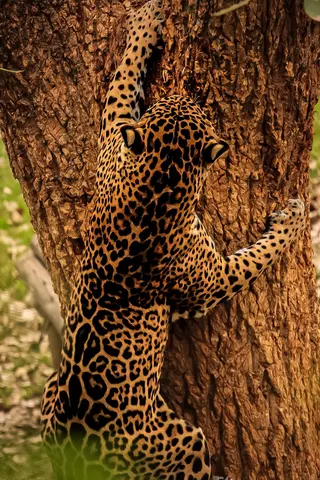 Framed for display
Panthera onca
The jaguar is the largest living cat native to the Americas. Its stocky build, broad head and rosetted coat suit an ambush …
Evidence
Connected life
No reviewed ecological connections in the collection yet.
Explore network ↗