 Living Beings
Compare species
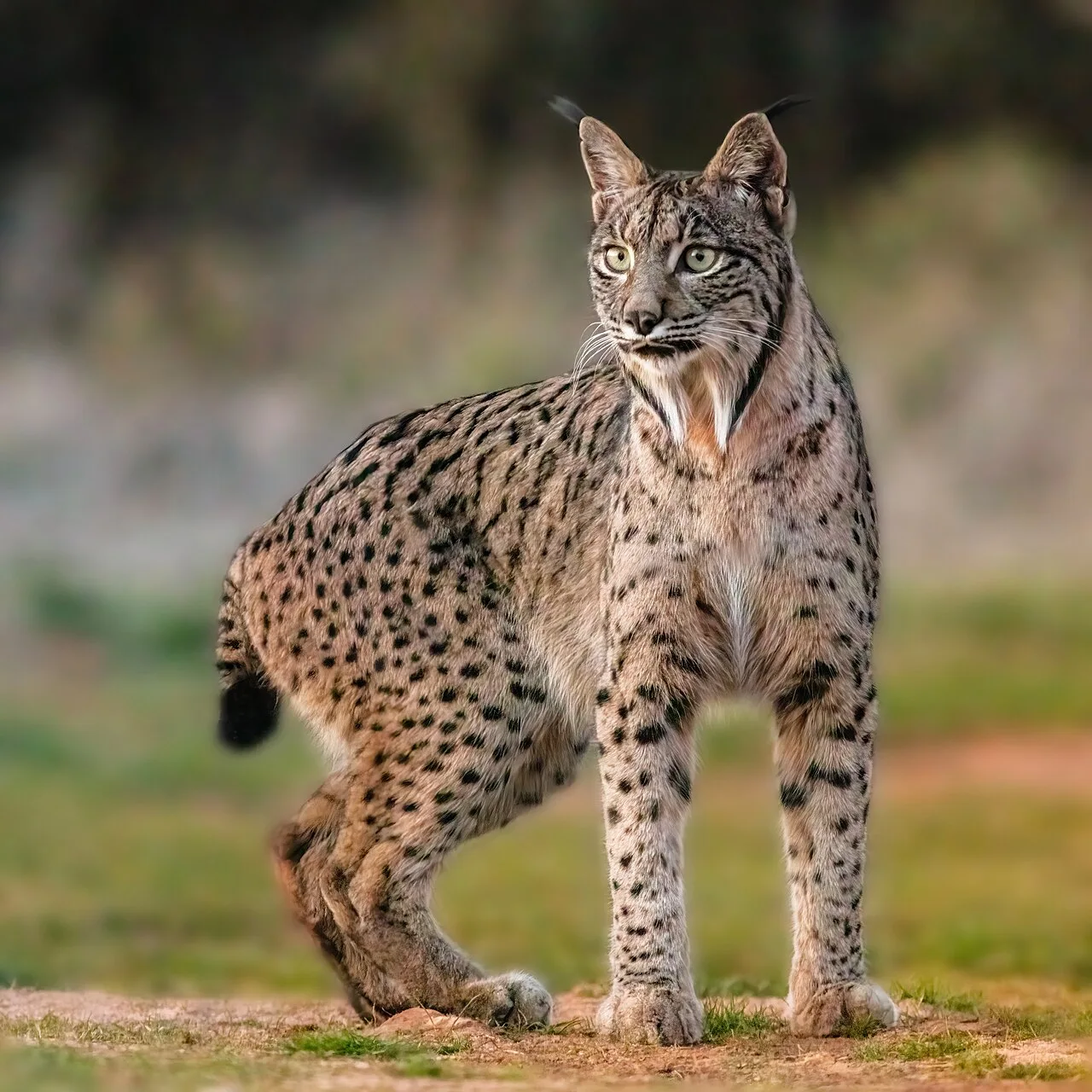
Iberian Lynx
Lynx pardinus
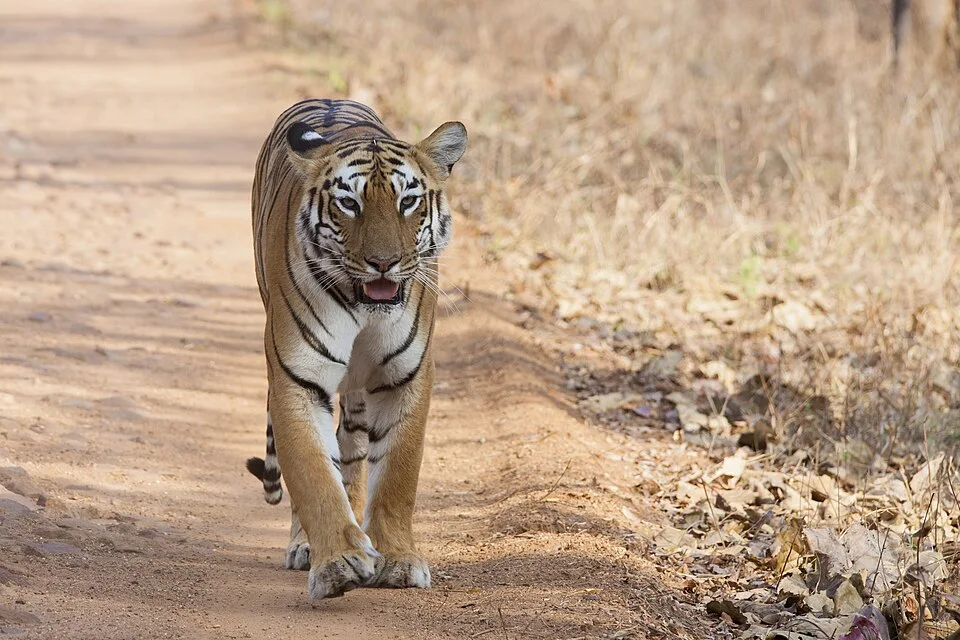
Tiger
Panthera tigris
Evidence from the profiles
Compare their characteristics
| Trait | Iberian Lynx | Tiger |
|---|---|---|
| Nutrition | Data unavailable | Carnivorous Source ↗ |
| Social organization | Data unavailable | Generally solitary Source ↗ |
| Physical traits | A spotted coat, ear tufts, facial ruff and short tail are characteristic. | Dark stripes break up the tiger’s outline. Stripe patterns vary from one individual to another. |
| Habitat and range | Mediterranean scrub mosaics combine sheltered resting places with more open feeding grounds for rabbits. | Tigers live in varied habitats, including tropical forests, mangrove swamps and temperate forest. |
| Diet and nutrition | European rabbits are the central prey. Changes in their availability can have major consequences for lynx reproduction and persistence. | Tigers mainly hunt large mammals, including deer and wild pigs. |
| Behavior and activity | It usually hunts alone and uses cover when stalking. Its activity is closely tied to the availability and activity of prey. | A tiger usually hunts by stalking its prey and attacking at close range. |
| Geographic distribution | The Mammal Diversity Database v2.5 records this species in Portugal, Spain. | Data unavailable |
Classification
Shared ancestry
Closest shared taxon: Felidae.
Explore the taxonomy ↗