 Living Beings

 Framed for display
Species · Herpailurus
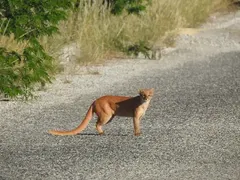
Jaguarundi
Herpailurus yagouaroundi
Camera traps recorded the slender jaguarundi mainly by day in forests where ocelots were usually detected at night.
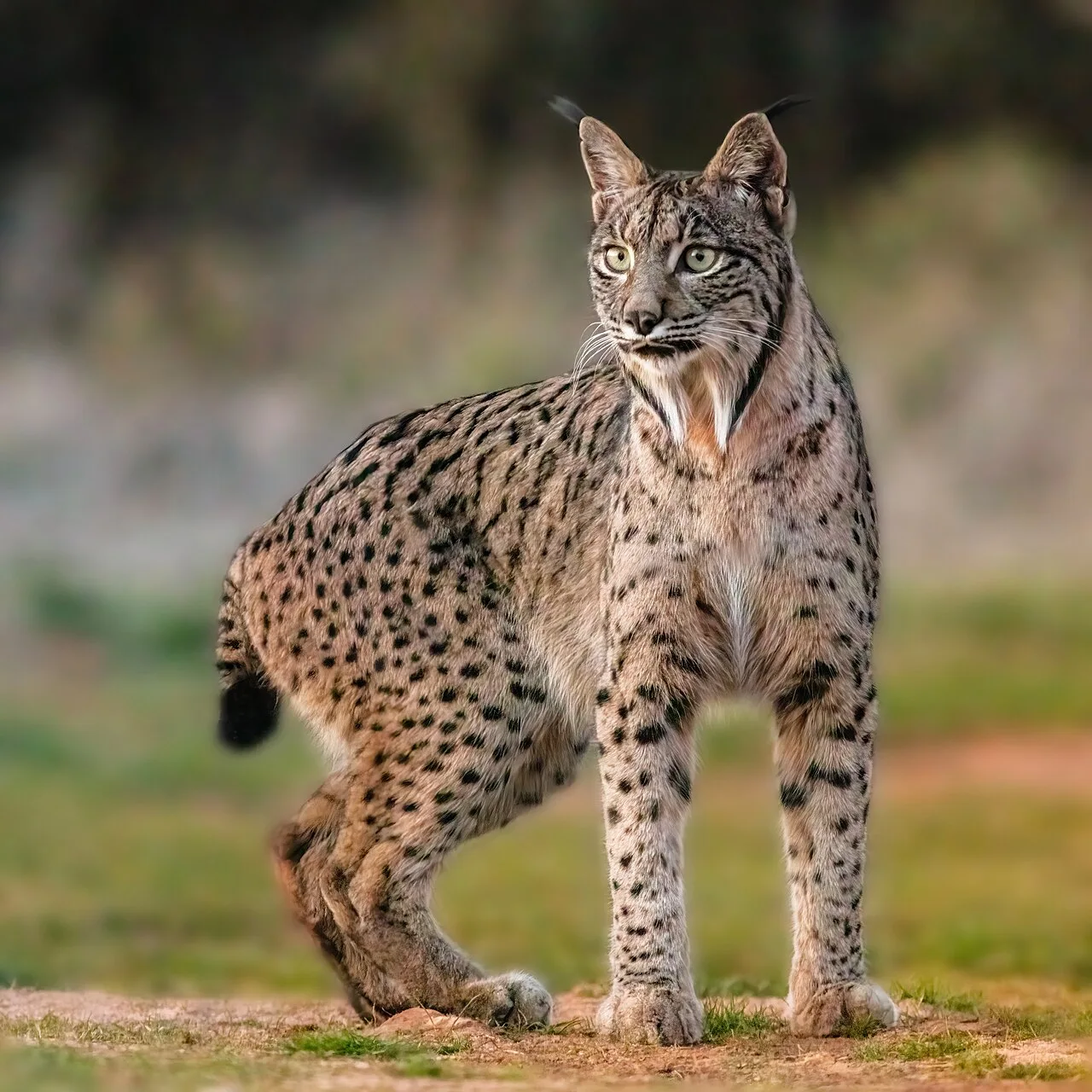
Lince ibérico (Lynx pardinus), Almuradiel, Ciudad Real, España, 2021-12-19, DD 07.jpg · Resized and converted to WebP for display. Diego Delso · CC BY-SA 4.0
Field guide · species
Lynx pardinus
The Iberian lynx is a spotted cat whose ecology is strongly linked to European rabbits. Its conservation story depends on prey recovery and connected habitat, not just the presence of individual protected animals.
A spotted coat, ear tufts, facial ruff and short tail are characteristic.
Mediterranean scrub mosaics combine sheltered resting places with more open feeding grounds for rabbits.
The parts of a landscape used during exploration and after settlement can differ. Comparing those phases matters when planning habitat links between populations. Cover can support a resident animal while other patches help it move between areas of suitable habitat.
Scientific source 1 ↗ · Scientific source 2 ↗ · Scientific source 3 ↗
European rabbits are the central prey. Changes in their availability can have major consequences for lynx reproduction and persistence.
It usually hunts alone and uses cover when stalking. Its activity is closely tied to the availability and activity of prey.
Tracking reintroduced lynx shows that movement immediately after release can differ from movement after a territory is established. Individuals may explore large areas before settling. A location from that exploratory phase should not automatically be treated as evidence of long-term residency.
Scientific source 1 ↗ · Scientific source 2 ↗ · Scientific source 3 ↗
Researchers followed 40 Iberian lynx cubs born at the El Acebuche breeding centre in Spain. At around one month the cubs were ready to leave the den and began expanding their activity to play and exploration. The observation describes early development in a managed breeding population.
The Mammal Diversity Database v2.5 records this species in Portugal, Spain.
Researchers studying an Iberian lynx population in Spain combined evidence of lynx presence with landscape data to model habitat use at the scale of home ranges. That link between individual space use and habitat structure can guide conservation within the studied landscape. Its predictions are tied to the Spanish study area and the habitats represented there.
Shared classification
Framed for display
Herpailurus yagouaroundi
Camera traps recorded the slender jaguarundi mainly by day in forests where ocelots were usually detected at night.
 Framed for display
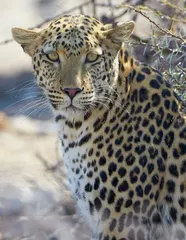
Panthera pardus
Rosettes, a muscular body and an unusually flexible choice of habitat distinguish the leopard. This solitary cat hunts from cover and can …
 Framed for display
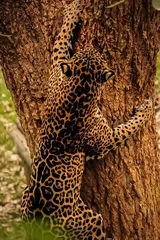
Panthera onca
The jaguar is the largest living cat native to the Americas. Its stocky build, broad head and rosetted coat suit an ambush …
 Framed for display
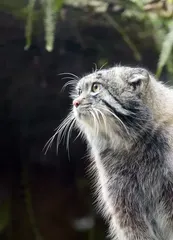
Otocolobus manul
Pallas’s cat is a compact-looking wild cat of Asian steppe and rocky landscapes. Its dense coat can make it look heavier than …
Evidence
Connected life
No reviewed ecological connections in the collection yet.