 Living Beings
Compare species
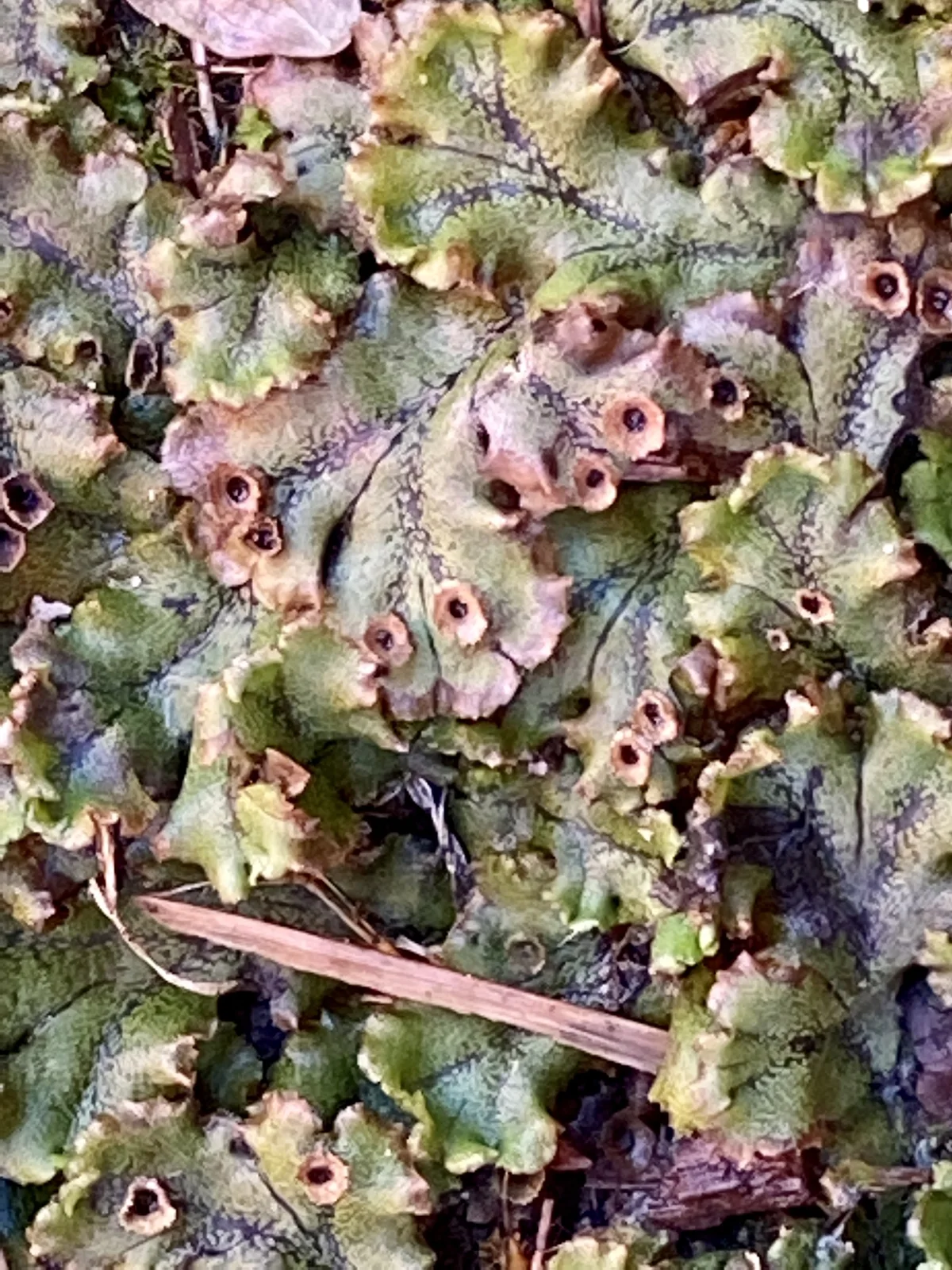
Common Liverwort
Marchantia polymorpha
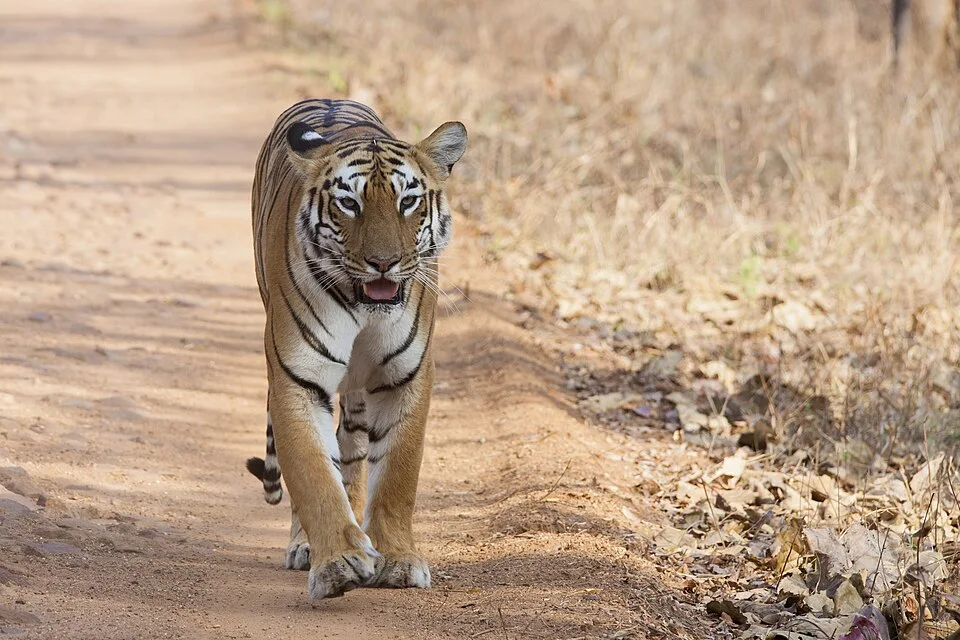
Tiger
Panthera tigris
Evidence from the profiles
Compare their characteristics
| Trait | Common Liverwort | Tiger |
|---|---|---|
| Nutrition | Data unavailable | Carnivorous Source ↗ |
| Social organization | Not applicable | Generally solitary Source ↗ |
| Physical traits | The thallus branches across the substrate. Gemma cups and stalked reproductive structures help distinguish it from many other small green plants. | Dark stripes break up the tiger’s outline. Stripe patterns vary from one individual to another. |
| Habitat and range | Damp, disturbed or recently exposed ground supports growth, including suitable burned sites and horticultural substrates. | Tigers live in varied habitats, including tropical forests, mangrove swamps and temperate forest. |
| Diet and nutrition | Photosynthetic tissue supplies carbon compounds. Rhizoids anchor the thallus and assist interaction with the moist substrate. | Tigers mainly hunt large mammals, including deer and wild pigs. |
| Behavior and activity | Rain splash disperses gemmae from their cups, allowing new thalli to form nearby. | A tiger usually hunts by stalking its prey and attacking at close range. |
| Reproduction and life cycle | Separate gamete-producing structures take part in sexual reproduction. A dependent sporophyte forms spores; gemmae provide an additional asexual route. | Data unavailable |
| Geographic distribution | The species is widely recorded, but subspecies and local habitat differences matter when interpreting records. | Data unavailable |
| Ecological role | Early colonization of exposed surfaces helps shape small-scale plant succession. | Data unavailable |
| Distinctive adaptations | A spreading thallus and two reproductive routes allow rapid occupation of suitable damp patches. | Data unavailable |
| Conservation | Local occurrence depends strongly on substrate and moisture. This profile does not infer a global category from its frequent appearance in disturbed ground. | Data unavailable |
Classification
Shared ancestry
Closest shared taxon: Eukaryota.