 Living Beings
Compare species
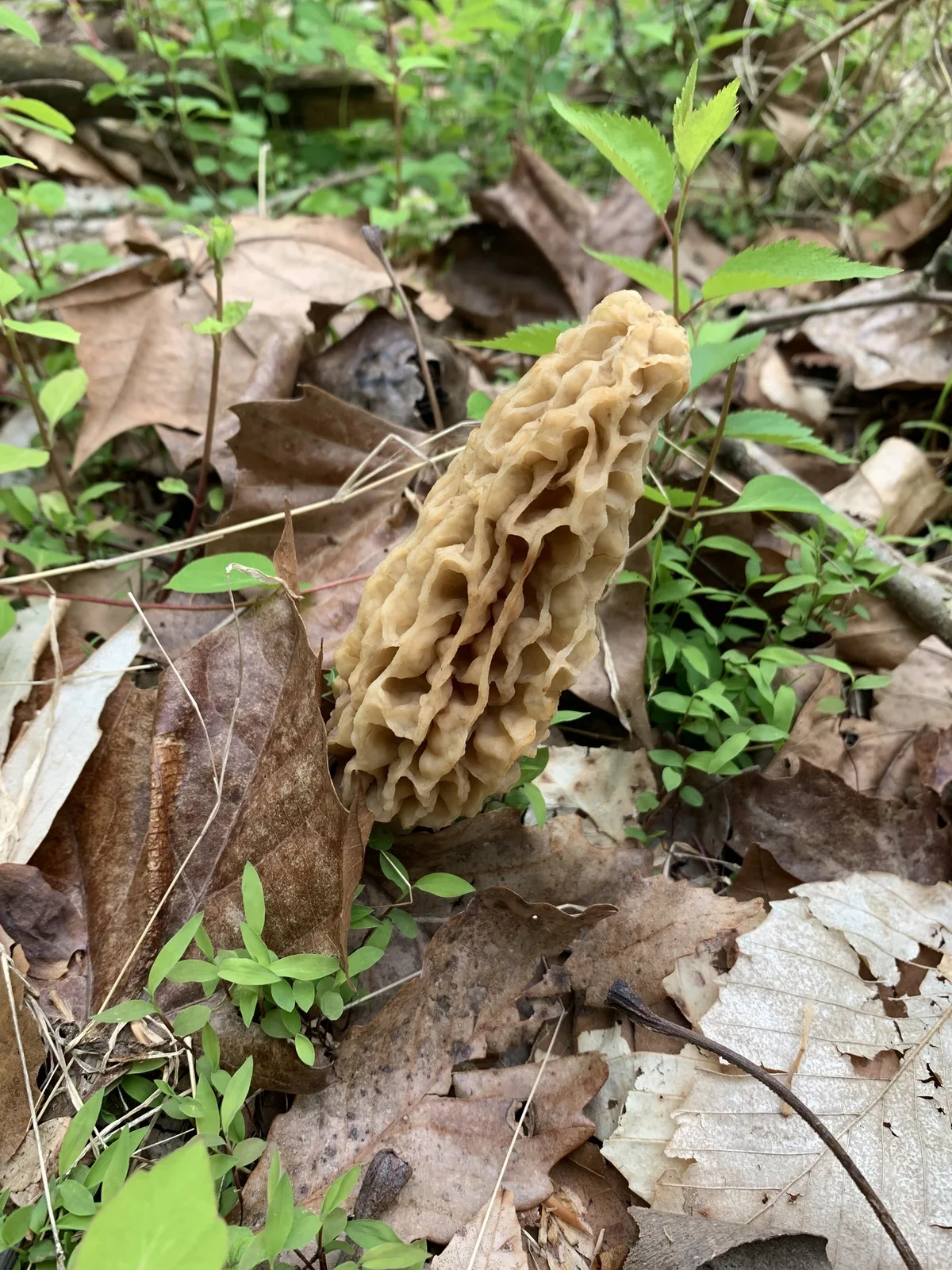
Morchella esculenta
Morchella esculenta
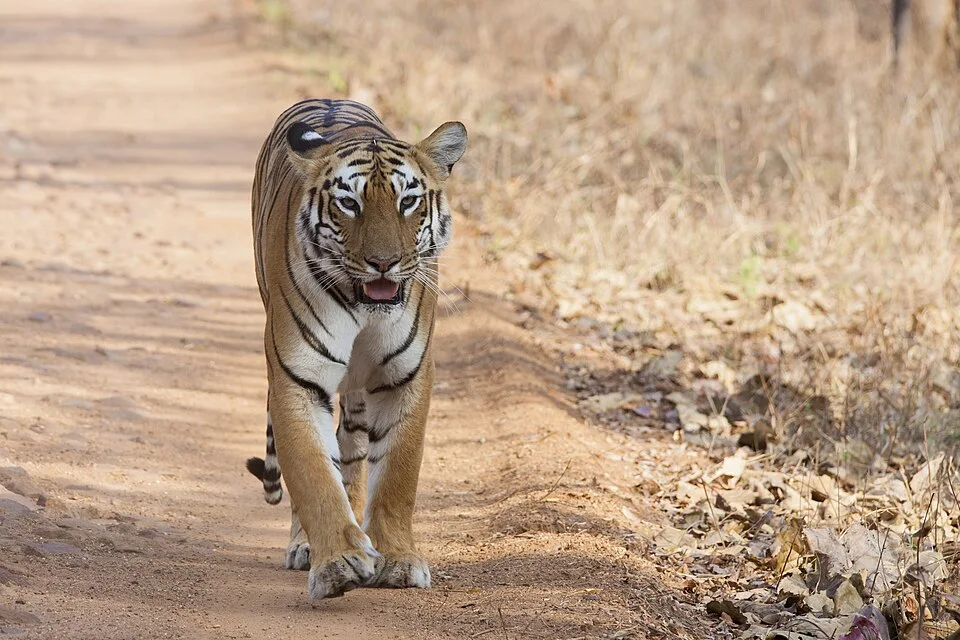
Tiger
Panthera tigris
How to compare two organisms
Choose two species and trace their closest shared group. Then compare a trait with the same definition on each side. Check the units, life stage and context before interpreting a measurement or range.
Missing data means that the collection lacks a sourced value. Where a characteristic does not apply to a lineage, the comparison labels it separately. Open the two profiles for context and follow their sources before drawing a conclusion.
Evidence from the profiles
Compare their characteristics
| Trait | Morchella esculenta | Tiger |
|---|---|---|
| Nutrition | Data unavailable | Carnivorous Source ↗ |
| Social organization | Not applicable | Generally solitary Source ↗ |
| Physical traits | The cap has a network of ridges and pits that gives the familiar honeycomb appearance. Several other morels produce similar fruiting bodies, and their shapes and colors vary. The photographed form can illustrate a morel's structure, but secure identification of a scientific collection requires appropriate morphological evidence and, where necessary, sequence comparison. | Dark stripes break up the tiger’s outline. Stripe patterns vary from one individual to another. |
| Habitat and range | Molecularly identified Polish collections included deciduous stands dominated by hornbeam or mixed with ash and sycamore. The larger Czech study also found the species in floodplain forest, shrub habitats, orchards and some disturbed sites. Nearby trees are recorded habitat features; their presence alone does not establish a nutritional partnership. | Tigers live in varied habitats, including tropical forests, mangrove swamps and temperate forest. |
| Diet and nutrition | The mycelium absorbs nutrients rather than photosynthesizing. The Polish field study discusses saprotrophic and plant-associated possibilities in morels but did not test the trophic mode of its collections. An obligate host or a single nutritional strategy is therefore not assigned to Morchella esculenta here. | Tigers mainly hunt large mammals, including deer and wild pigs. |
| Behavior and activity | Czech collections were mainly made from mid-April to early May. Fruiting is seasonal reproductive growth; these local dates do not define a universal season or the lifetime of the underlying mycelium. | A tiger usually hunts by stalking its prey and attacking at close range. A tiger can communicate without meeting another tiger directly. Scratches and scent marks leave information at places another animal may visit later. In addition to stalking on land, tigers can swim well and have been observed hunting in water. |
| Reproduction and life cycle | Morels are ascomycete fungi whose sexual spores develop inside sac-like asci on the fertile fruiting surface. A field record concerns the temporary reproductive structure of a less conspicuous mycelium. The species concept must be established before cultivation or life-cycle observations under old names can be combined. | Young tigers stay with their mother while developing the skills needed to take prey. This prolonged period of dependence is consistent with an adult life that is generally solitary. A photograph of a female with cubs therefore describes an important life stage rather than a permanent social group. |
| Geographic distribution | The 2019 revision documents the Mes-8 species in the Czech Republic and summarizes records elsewhere in Europe and China. Older reports under the broad name need reassessment before being combined, especially where modern research recognizes a different regional species. | Data unavailable |
| Ecological role | The Polish study established the occurrence of correctly identified morels after a long gap in confirmed local records, while leaving their trophic relationships untested. This separates a documented ecological observation from an experimental claim about how the fungus obtains carbon. | Data unavailable |
| Distinctive adaptations | A folded fertile surface and a temporary fruiting body are conspicuous features of true morels. The nomenclatural revision separates yellow-morel species that look similar. This account does not infer a fire-dependent lifestyle from the behavior of unrelated black morels. | Individual stripe patterns have practical value to field researchers. Paired cameras can photograph the sides of a passing tiger, and repeated images of the same pattern can identify the same animal. A sequence of detections across sampling locations can support a population estimate. |
Classification
Shared ancestry
Closest shared taxon: Opisthokonta.
Sources from both profiles
Morchella esculenta
- Morchella esculenta · NCBI Taxonomy ↗
- Phylogeny and historical biogeography of true morels (Morchella) reveals an early Cretaceous origin and high continental endemism and provincialism in the Holarctic ↗
- True morels (Morchella, Pezizales) of Europe and North America: evolutionary relationships inferred from multilocus data and a unified taxonomy ↗
- How useful is the current species recognition concept for the determination of true morels? Insights from the Czech Republic ↗
- Two species of true morels (the genus Morchella, Ascomycota) recorded in the Ojców National Park (south Poland) ↗