 Living Beings
Compare species
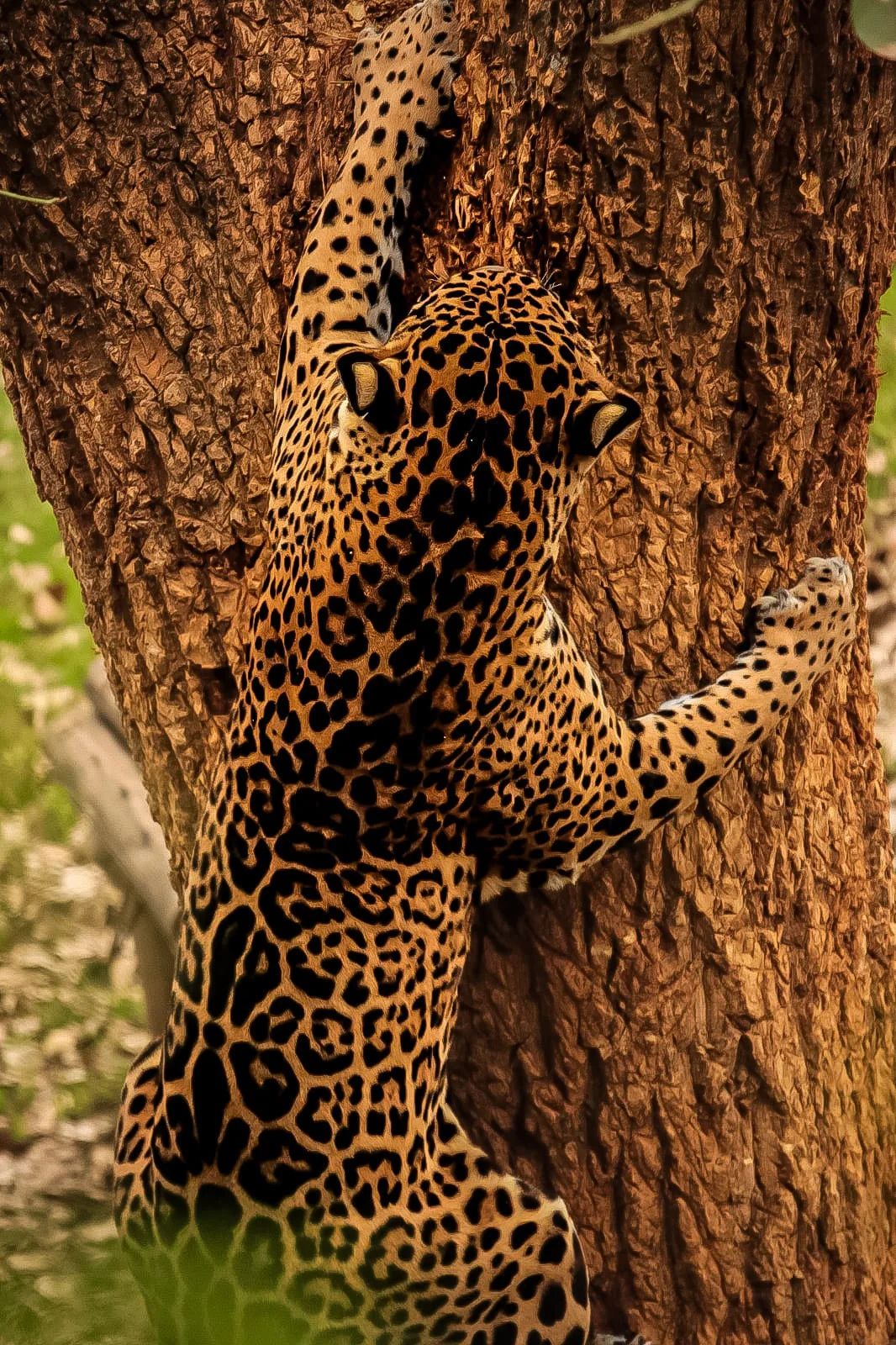
Jaguar
Panthera onca
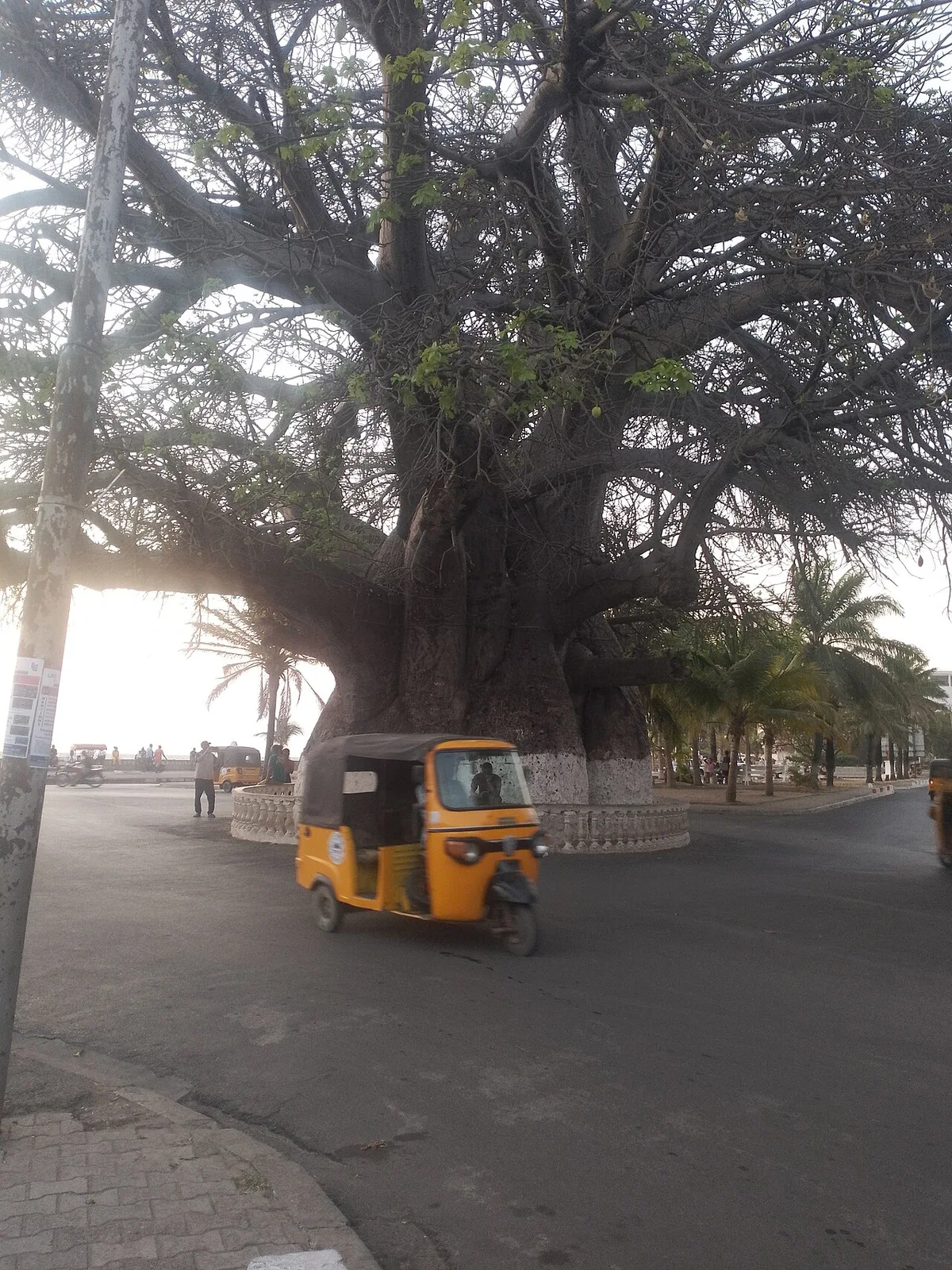
African Baobab
Adansonia digitata
Evidence from the profiles
Compare their characteristics
| Trait | Jaguar | African Baobab |
|---|---|---|
| Physical traits | A jaguar is powerfully built, with relatively short limbs. Many rosettes contain small central spots, a useful contrast with a leopard's usual coat pattern. | Thick, fibrous bark surrounds a broad trunk. Each compound leaf has several leaflets radiating from a central point. |
| Habitat and range | Moist forest, wooded wetlands and other landscapes with dense cover provide hunting and resting places. | A terrestrial tree of tropical Africa, it is adapted to seasonally dry conditions and is also planted in gardens and settlements. |
| Diet and nutrition | Jaguars eat vertebrate prey including mammals and reptiles. Their broad jaws can be used to penetrate hard protective structures. | Leaves produce sugars through photosynthesis. Water and mineral nutrients are taken up through the roots. |
| Behavior and activity | Adults are mostly solitary. They stalk from cover, swim readily and mark areas with scent and vocal signals. | Data unavailable |
| Reproduction and life cycle | Cubs are born dependent on their mother. Maternal care includes protection and the gradual transition from milk to meat. | Large, hanging white flowers develop into capsules containing seeds embedded in pale, powdery pulp. New trees can be grown from seed. |
| Geographic distribution | Present populations are distributed through parts of the Americas. Much of the former northern range has been lost or fragmented. | Native to Africa and cultivated elsewhere. The accompanying photograph shows a planted specimen in Madagascar; that location should not be confused with the native range of every baobab species. |
| Ecological role | As large predators, jaguars connect terrestrial and wetland food webs. A diverse prey base supports their presence. | Its flowers, fruit and extensive woody structure provide biological resources. The familiar name baobab also applies to other species, which should not be confused with this one. |
| Distinctive adaptations | Strong jaws, swimming ability and a concealed approach allow a varied hunting repertoire. | A substantial trunk and drought-resistant growth form help distinguish this tree from many humid-forest trees. |
| Conservation | Habitat fragmentation and conflict following livestock losses are important pressures. Protecting connected habitat is relevant to long-term persistence. | Data unavailable |
Classification
Shared ancestry
Closest shared taxon: Eukaryota.