 Living Beings
Compare species
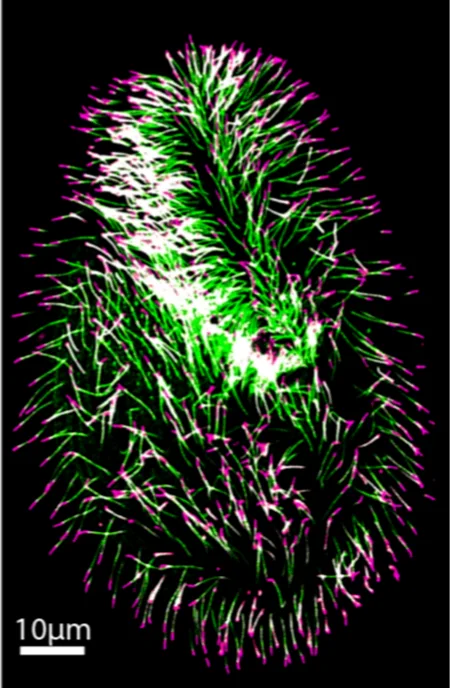
Paramecium tetraurelia
Paramecium tetraurelia
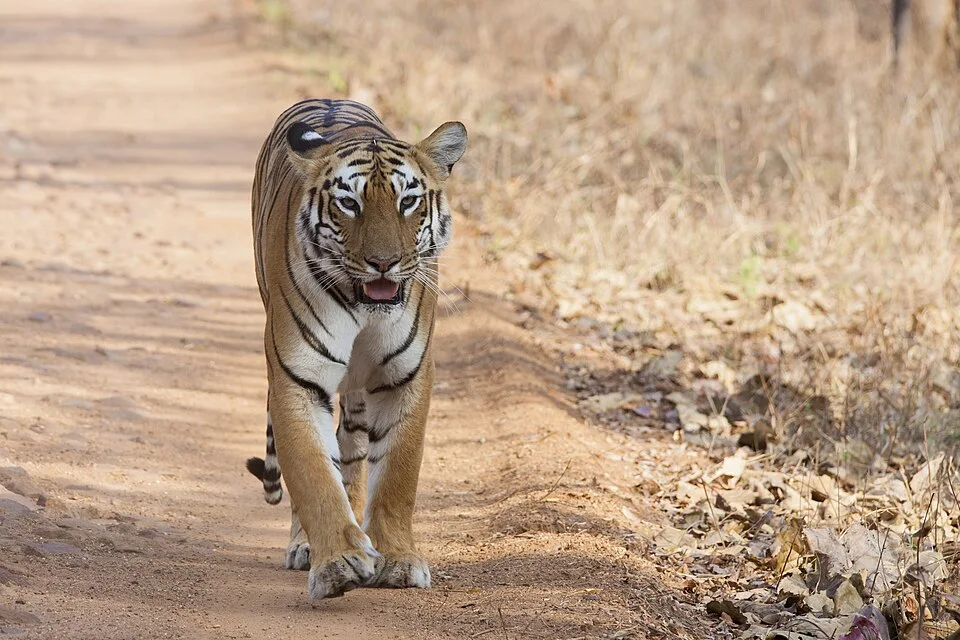
Tiger
Panthera tigris
Evidence from the profiles
Compare their characteristics
| Trait | Paramecium tetraurelia | Tiger |
|---|---|---|
| Nutrition | Data unavailable | Carnivorous Source ↗ |
| Social organization | Not applicable | Generally solitary Source ↗ |
| Physical traits | A ciliated, elongated cell body carries an oral feeding region. Closely related members of the species complex can be difficult to separate by appearance alone. | Dark stripes break up the tiger’s outline. Stripe patterns vary from one individual to another. |
| Habitat and range | Freshwater conditions with microbial food support growth in nature and in appropriately prepared cultures. | Tigers live in varied habitats, including tropical forests, mangrove swamps and temperate forest. |
| Diet and nutrition | Ciliary activity directs suspended food toward the oral region, where particles enter food vacuoles. | Tigers mainly hunt large mammals, including deer and wild pigs. |
| Behavior and activity | Coordinated beating of cilia supports swimming and feeding, while sensory responses alter movement. | A tiger usually hunts by stalking its prey and attacking at close range. |
| Reproduction and life cycle | Vegetative fission coexists with processes involving germline and somatic nuclei. Nuclear inheritance cannot be reduced to a simple animal-style model. | Data unavailable |
| Geographic distribution | Species identity must be checked within the aurelia complex. A generic Paramecium observation is not automatically a P. tetraurelia record. | Data unavailable |
| Ecological role | Feeding on microorganisms places the ciliate within freshwater microbial communities. | Data unavailable |
| Distinctive adaptations | Genome analysis revealed at least three successive whole-genome duplications. Copies were not all lost at once: retention patterns differ among genes, with shared dosage requirements helping explain why some copies persist. This research distinguishes the history of its genome from the ordinary division of a cell during growth. | Data unavailable |
Classification
Shared ancestry
Closest shared taxon: Eukaryota.