 Living Beings
Compare species
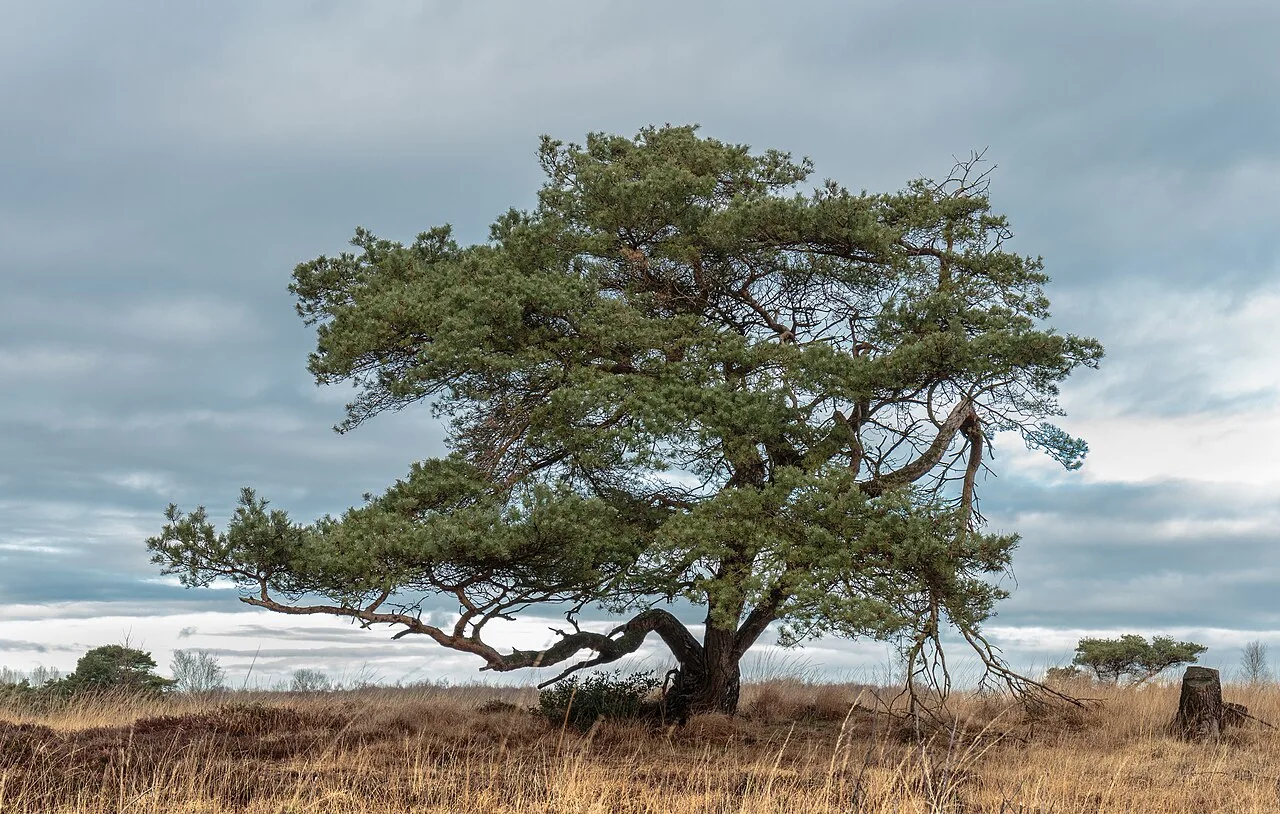
Scots Pine
Pinus sylvestris
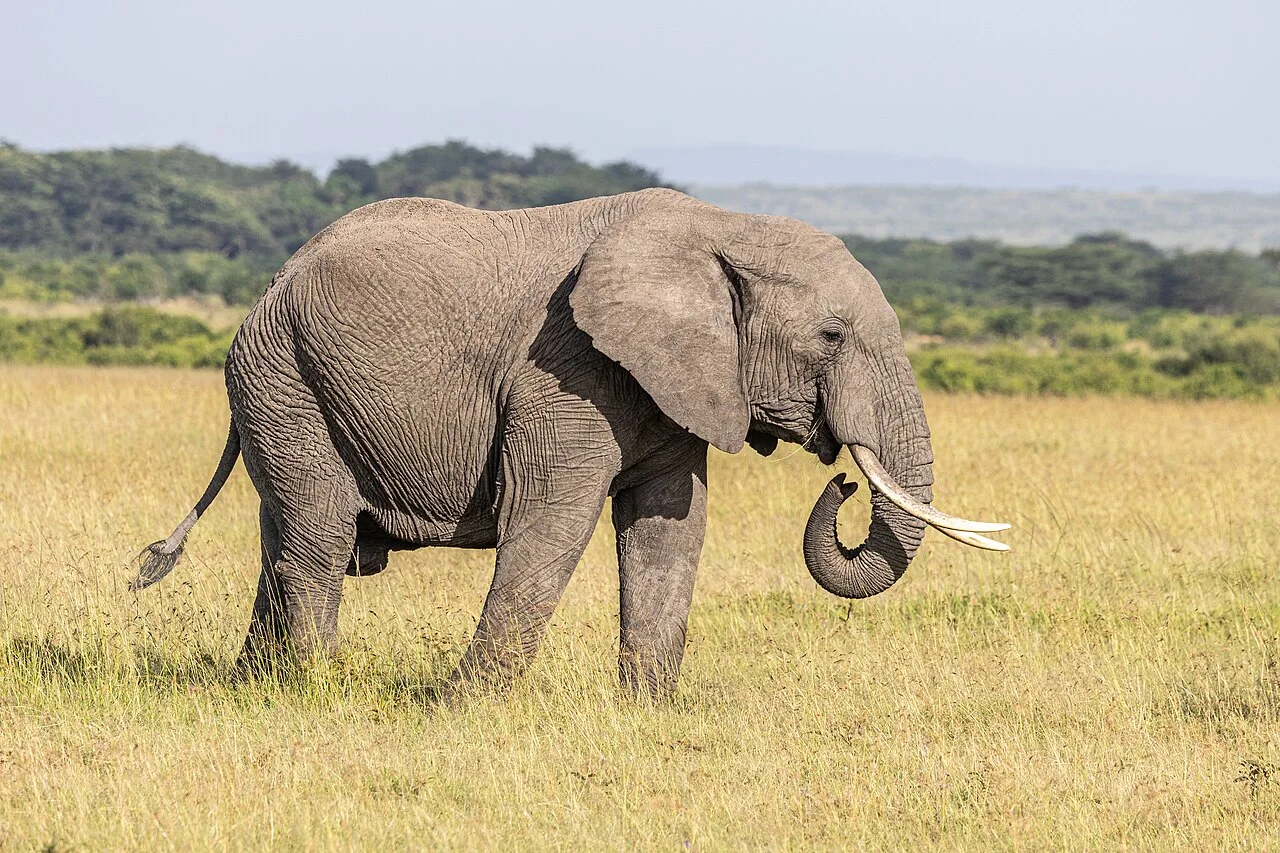
African Savanna Elephant
Loxodonta africana
How to compare two organisms
Choose two species and trace their closest shared group. Then compare a trait with the same definition on each side. Check the units, life stage and context before interpreting a measurement or range.
Missing data means that the collection lacks a sourced value. Where a characteristic does not apply to a lineage, the comparison labels it separately. Open the two profiles for context and follow their sources before drawing a conclusion.
Evidence from the profiles
Compare their characteristics
| Trait | Scots Pine | African Savanna Elephant |
|---|---|---|
| Physical traits | Needles grow in pairs. Mature trees can develop a high, open crown and contrasting reddish upper bark. | Broad ears, a long trunk and column-like legs give the animal its familiar outline. The trunk tip has two finger-like projections. Both sexes can develop tusks. |
| Habitat and range | The species grows in varied soils but requires adequate light for successful regeneration. Prolonged shade strongly limits young trees. | Savannas and open woodland provide a shifting mixture of browse, grass, shade and drinking water. Seasonal water availability influences the places that herds use. |
| Diet and nutrition | Evergreen needles supply photosynthetic sugars. Root-associated fungi contribute to nutrient acquisition in forest soils. | Grasses, leaves, bark and other plant material make up its diet. The trunk gathers food and moves it to the mouth. |
| Behavior and activity | Seedling establishment often follows canopy openings or disturbance. Weather and available moisture influence recruitment. | Female relatives and their young form long-lasting social groups. Older females hold knowledge of familiar routes and resources; adult males have a different pattern of association. |
| Reproduction and life cycle | Wind carries pollen between reproductive structures; seeds develop in cones. Juvenile growth precedes regular cone production. | Calves are born alive and depend on milk and extended social care. Learning from other elephants is an important part of growing up. |
| Geographic distribution | Scots pine is native across a broad Eurasian range and has been planted beyond it. | Native to sub-Saharan Africa. This account follows the savanna-elephant species concept rather than treating all African elephants as one species. |
| Ecological role | Pine stands supply structural habitat and organic material, while regeneration interacts with local fire and succession regimes. | Feeding and movement alter vegetation, and dung transfers seeds and nutrients. Habitat fragmentation and killing for ivory threaten populations. |
| Distinctive adaptations | Persistent needles and tolerance of nutrient-poor sites support growth where more demanding trees may struggle. | Data unavailable |
| Conservation | The condition of native populations and planted stands varies. Local climate stress and genetic provenance require attention. | Data unavailable |
Classification
Shared ancestry
Closest shared taxon: Eukaryota.