 Living Beings
Compare species
Rhizobium leguminosarum
Rhizobium leguminosarum
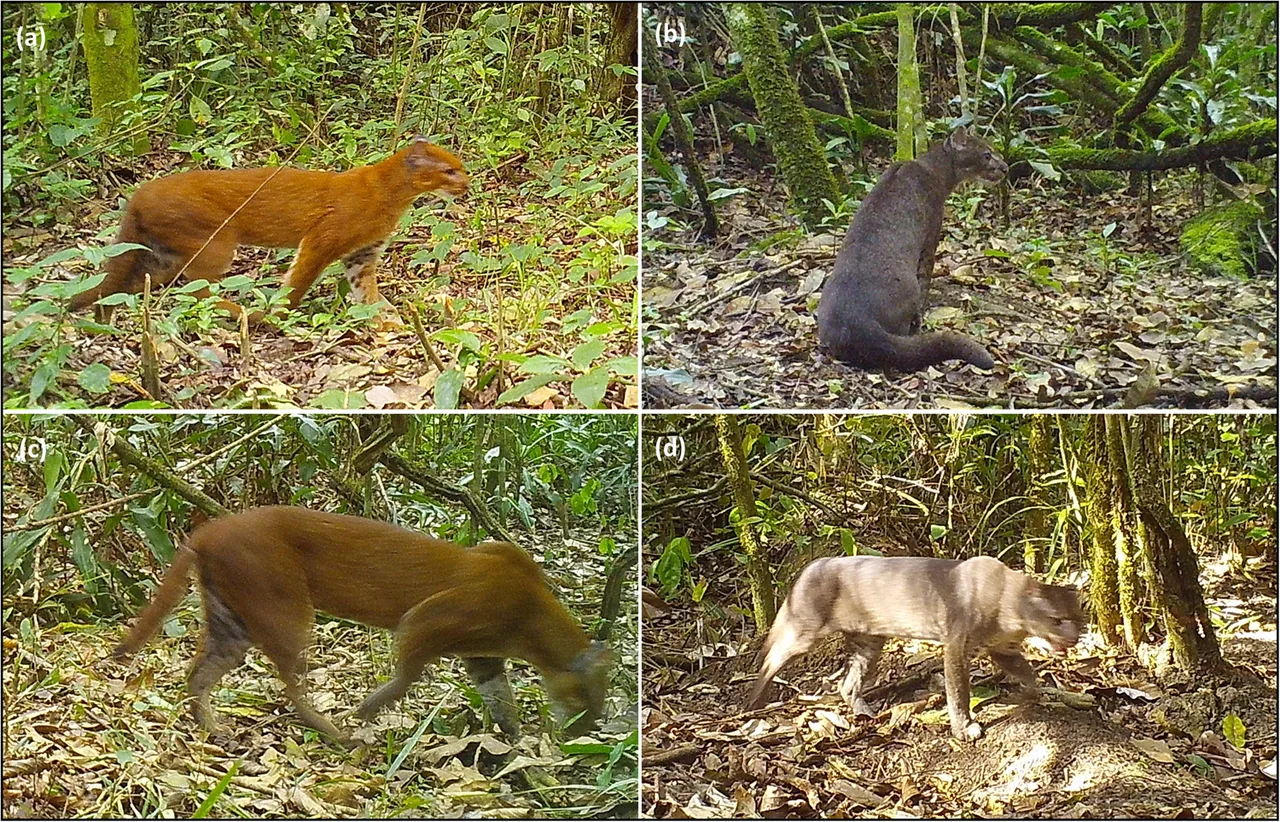
African Golden Cat
Caracal auratus
How to compare two organisms
Choose two species and trace their closest shared group. Then compare a trait with the same definition on each side. Check the units, life stage and context before interpreting a measurement or range.
Missing data means that the collection lacks a sourced value. Where a characteristic does not apply to a lineage, the comparison labels it separately. Open the two profiles for context and follow their sources before drawing a conclusion.
Evidence from the profiles
Compare their characteristics
| Trait | Rhizobium leguminosarum | African Golden Cat |
|---|---|---|
| Physical traits | Free-living cells are rod-shaped. Cells in a symbiotic nodule can differ physiologically from those growing outside the plant. | The body is robust and the coat varies between reddish and grayish forms. Spotting can be more visible on some parts of the body. |
| Habitat and range | Soil around a root, the root surface and the inside of a nodule are distinct environments. A pea-associated model study followed the bacterial requirements for growth and competition across these successive stages. | Dense African forest and secondary growth provide cover and hunting habitat. |
| Diet and nutrition | Organic carbon supports free-living growth. Inside an effective nodule, plant resources support bacterial metabolism and nitrogen fixation. Experimental work identifies changing requirements for carbon processing and nutrient assimilation between colonization and the nitrogen-fixing bacteroid stage. | Rodents and other forest mammals are important prey. Birds and additional small animals may also be taken. |
| Behavior and activity | Nodulation signaling, motility, cell-envelope changes and metabolic adjustment contribute to colonization. A transposon-based study distinguished requirements shared across successive stages from requirements specific to root growth or nodule function. | It is generally solitary and difficult to observe in dense cover. Sparse observations should not be treated as a complete account of its daily behavior. |
| Reproduction and life cycle | Cells divide outside the plant and may encounter a compatible root. Successful interactions progress through colonization and infection to nodule-associated development. The pea model also investigated release from nodules; host compatibility and strain identity are essential context. | Data unavailable |
| Geographic distribution | Strain records occur across agricultural and natural settings. Host association and strain provenance should accompany detailed locality data. | The Mammal Diversity Database v2.5 records this species in Angola, Cameroon, Central African Republic, Cote d'Ivoire, Democratic Republic of the Congo, Equatorial Guinea, Gabon, Ghana, Guinea, Liberia, Nigeria, Republic of the Congo, Sierra Leone, Uganda, Benin?, Burundi?, Gambia?, Guinea-Bissau?, Kenya?, Rwanda?, Senegal?, Sudan?, Togo?. |
| Ecological role | Effective symbiosis makes atmospheric nitrogen available within the legume partnership. Competition around roots helps determine which bacteria establish the interaction, connecting free-living survival with the later nutritional benefit to the plant. | Data unavailable |
| Distinctive adaptations | Sequenced strain 3841 has a chromosome and multiple plasmids. Its genome study distinguishes a broadly shared core from more variably distributed accessory components, helping explain why bacteria with shared cellular ancestry can differ in ecological capabilities. | Data unavailable |
Classification
Shared ancestry
Closest shared taxon: cellular organisms.