 Living Beings

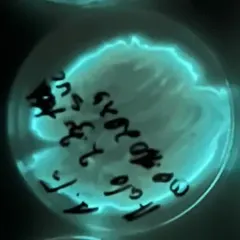 Framed for display
Species · Aliivibrio
Aliivibrio fischeri
Aliivibrio fischeri
In the Hawaiian bobtail squid, light from Aliivibrio fischeri helps mask the animal’s silhouette when viewed from below.
Phylum · Scientific classification
Pseudomonadota is a bacterial phylum often called Proteobacteria in older sources. Its members include E. coli, nitrogen-fixing root symbionts and luminous marine bacteria.
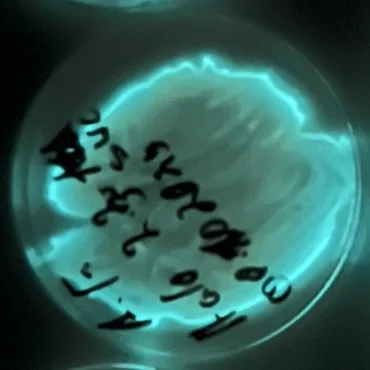 Framed for display
Explore broader group · Pseudomonadati ↗
NCBI Taxonomy (2026-11-05 reconciled backbone) · Taxon source ↗
Group guide
Pseudomonadota was validly published as a phylum name in 2021. Pseudomonadati is a broader kingdom name in the adopted classification. These names identify different levels. Gammaproteobacteria is a class within Pseudomonadota, and the Enterobacteriaceae family containing E. coli sits within that class.
Source for recognize the older name ↗Juvenile Hawaiian bobtail squid acquire Aliivibrio fischeri from their surroundings. The bacteria occupy cavities in a specialized light organ. Older studies call the bacterium Vibrio fischeri, so both names help when following the experimental work. Its partnership differs from the association between rhizobia and legume roots.
Source for a squid acquires its luminous partners ↗Pseudomonadota · phylum · Original classification source
The original identifier and source were retained when adopting the dated NCBI backbone. Different sources may use different names, ranks or group circumscriptions.
Within this taxon
Framed for display
Aliivibrio fischeri
In the Hawaiian bobtail squid, light from Aliivibrio fischeri helps mask the animal’s silhouette when viewed from below.
 Framed for display
Escherichia coli
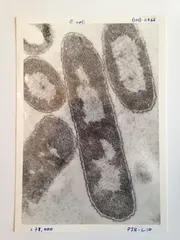
Escherichia coli is a bacterial species found in many environments, including the intestines of people and other animals. Most types are harmless, …
Rhizobium leguminosarum
Rhizobium leguminosarum links life in soil with nitrogen-fixing symbiosis in legume root nodules. Reaching a root, competing with neighboring microbes and surviving …