 Living Beings
Compare species
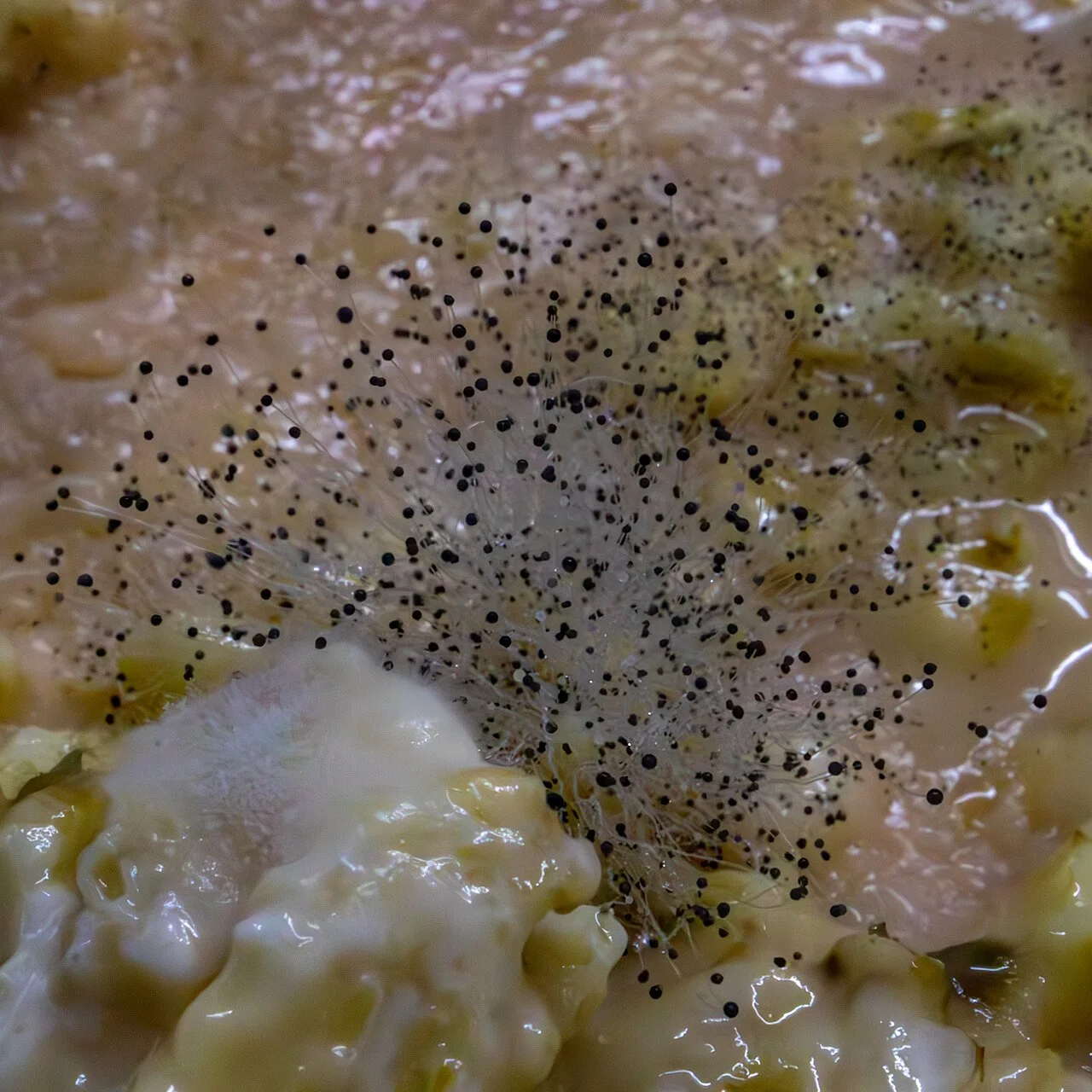
Black Bread Mold
Rhizopus stolonifer
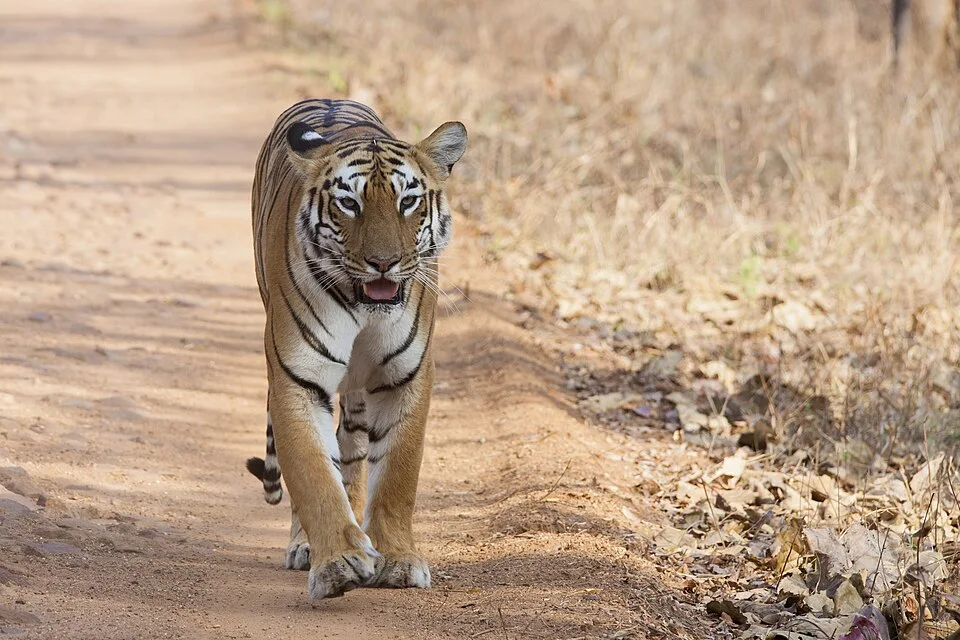
Tiger
Panthera tigris
Evidence from the profiles
Compare their characteristics
| Trait | Black Bread Mold | Tiger |
|---|---|---|
| Nutrition | Data unavailable | Carnivorous Source ↗ |
| Social organization | Not applicable | Generally solitary Source ↗ |
| Physical traits | Stolons spread across the substrate, with anchoring rhizoids and upright sporangiophores bearing rounded sporangia. | Dark stripes break up the tiger’s outline. Stripe patterns vary from one individual to another. |
| Habitat and range | Moist, nutrient-rich organic material, including damaged plant tissues, can support growth. | Tigers live in varied habitats, including tropical forests, mangrove swamps and temperate forest. |
| Diet and nutrition | The fungus absorbs products released from organic substrates, including sugars and starch-containing material. | Tigers mainly hunt large mammals, including deer and wild pigs. |
| Behavior and activity | Rapid hyphal extension spreads a colony; spores allow dispersal beyond the original substrate. | A tiger usually hunts by stalking its prey and attacking at close range. |
| Reproduction and life cycle | Asexual spores form in sporangia. Compatible mating types can produce thick-walled sexual zygospores with a dormant phase. | Data unavailable |
| Geographic distribution | Spores and substrate-associated records are widespread. An individual indoor colony still requires identification before being called this species. | Data unavailable |
| Ecological role | Decomposition and spoilage connect its growth with nutrient release from plant-derived material. | Data unavailable |
| Distinctive adaptations | A spreading stolon system and distinct resting and dispersal structures support different phases of its life. | Data unavailable |
Classification
Shared ancestry
Closest shared taxon: Opisthokonta.