 Living Beings
Compare species
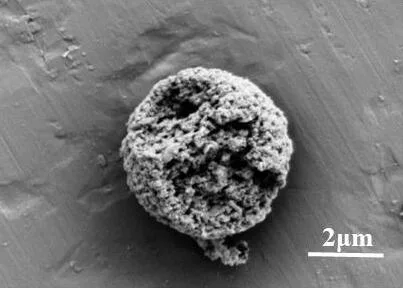
Saccharolobus solfataricus
Saccharolobus solfataricus
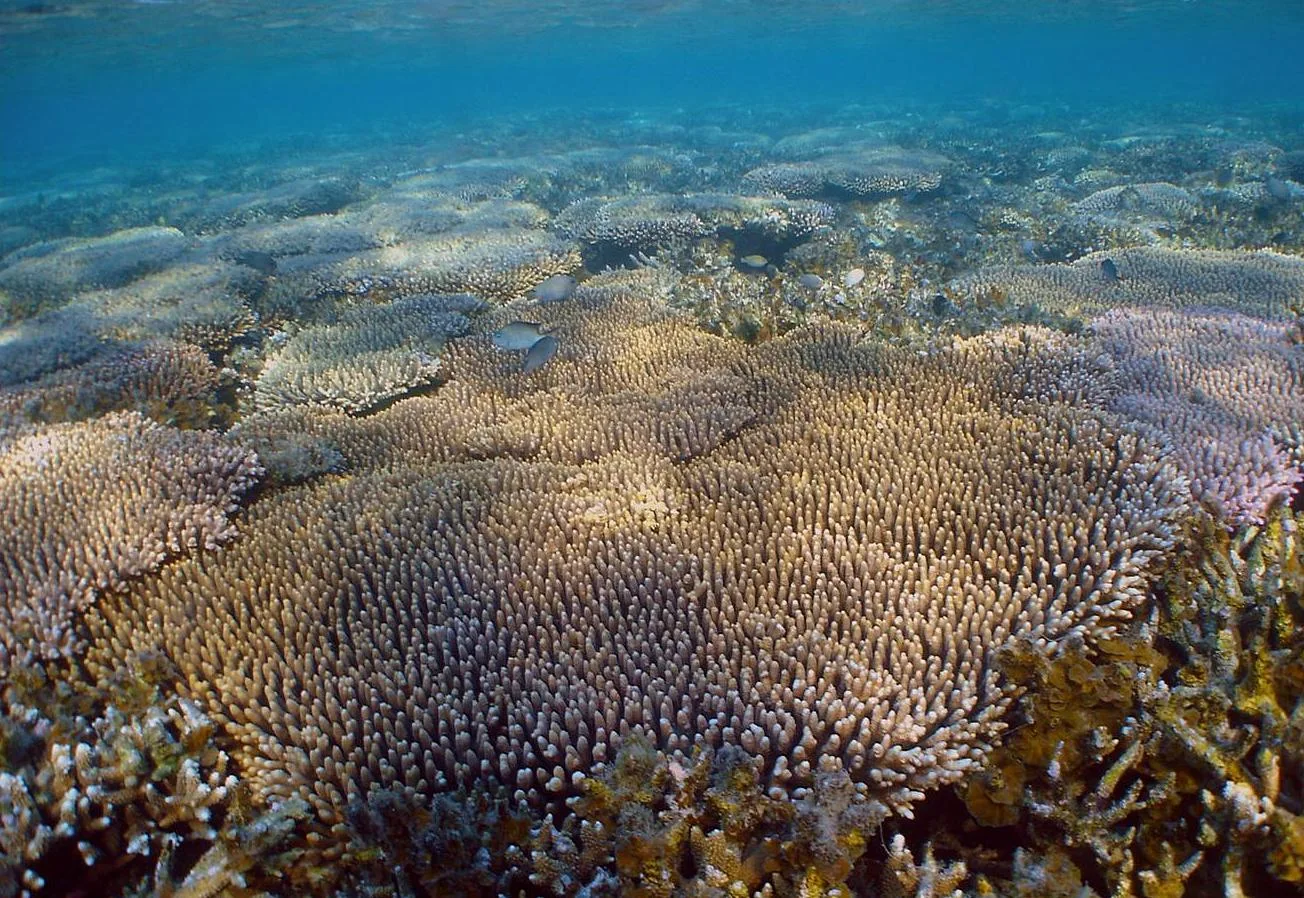
Acropora millepora
Acropora millepora
Evidence from the profiles
Compare their characteristics
| Trait | Saccharolobus solfataricus | Acropora millepora |
|---|---|---|
| Physical traits | Small, irregular cells are studied through microscopy and molecular methods. A protein structure from this species is not a photograph of the organism. | Colonies form branching structures covered by small skeletal cups that house polyps. Colony color alone is insufficient for secure species identification. |
| Habitat and range | Hot, acidic terrestrial environments provide its characteristic setting, reproduced selectively in laboratory culture. | Shallow, well-lit marine reef environments support the coral and its photosynthetic partners. |
| Diet and nutrition | The reference genome encodes systems for sugar, protein and sulfur-related metabolism, reflecting several potential resource-use pathways. | Polyps capture small suspended food, while algal symbionts contribute photosynthetic products. |
| Behavior and activity | Transport and sensory systems connect cellular activity to environmental resources. Mobile genetic elements contribute to genome variation. | Tentacles and mucus help the colony interact with surrounding seawater. Recognition mechanisms influence responses to microbes. |
| Reproduction and life cycle | Replication, genome maintenance and cell division support culture growth. The P2 genome contains numerous mobile elements. | Colonies grow by producing additional polyps. Sexual reproduction can release gametes that develop into settling larvae. |
| Geographic distribution | The reference strain has a documented geothermal origin. Laboratory use across countries is not a map of natural populations. | The species occurs in the Indo-Pacific reef region. Species-level locality records should accompany detailed range mapping. |
| Ecological role | Its physiology contributes to the diversity of microorganisms inhabiting acidic geothermal environments. | Skeletal growth contributes reef structure and habitat. Symbiotic interactions are central to energy supply and colony health. |
| Distinctive adaptations | The P2 genome study found abundant mobile genetic elements and many transport, protease and sugar-metabolism genes. This documents a flexible genomic and metabolic repertoire in an identified research strain. The original paper used Sulfolobus solfataricus; later taxonomic work transferred the species to Saccharolobus, so both names occur in its scientific literature. | A colonial body and partnerships with photosynthetic cells support growth in well-lit reef environments. |
| Conservation | Data unavailable | Thermal stress, bleaching and degradation of reef habitat are concerns. A source on molecular recognition does not establish a current Red List category. |
Classification
Shared ancestry
Closest shared taxon: cellular organisms.
Sources from both profiles
Saccharolobus solfataricus
- Saccharolobus solfataricus · NCBI Taxonomy ↗
- Saccharolobus caldissimus gen. nov., sp. nov., a facultatively anaerobic iron-reducing hyperthermophilic archaeon isolated from an acidic terrestrial hot spring, and reclassification of Sulfolobus solfataricus as Sacc… ↗
- The complete genome of the crenarchaeon Sulfolobus solfataricus P2 ↗