 Living Beings
Compare species
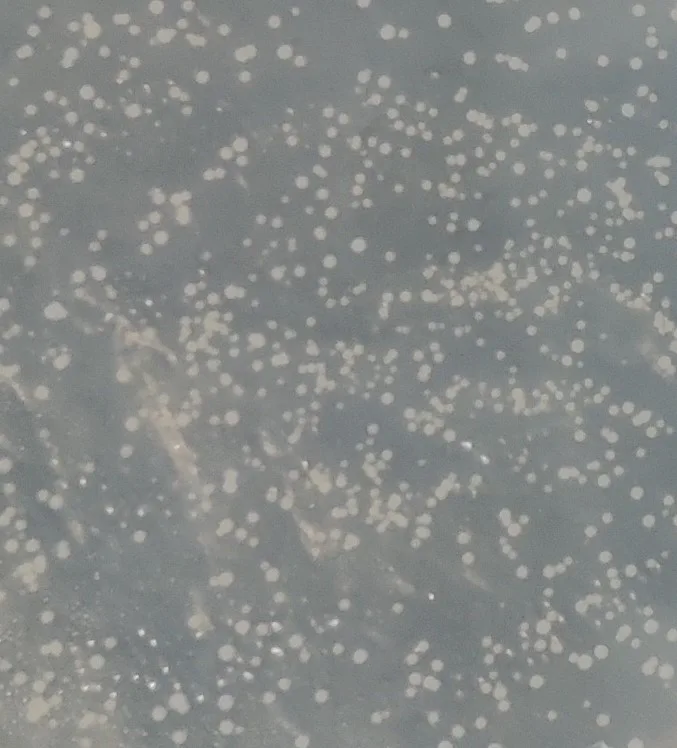
Brewer's Yeast
Saccharomyces cerevisiae
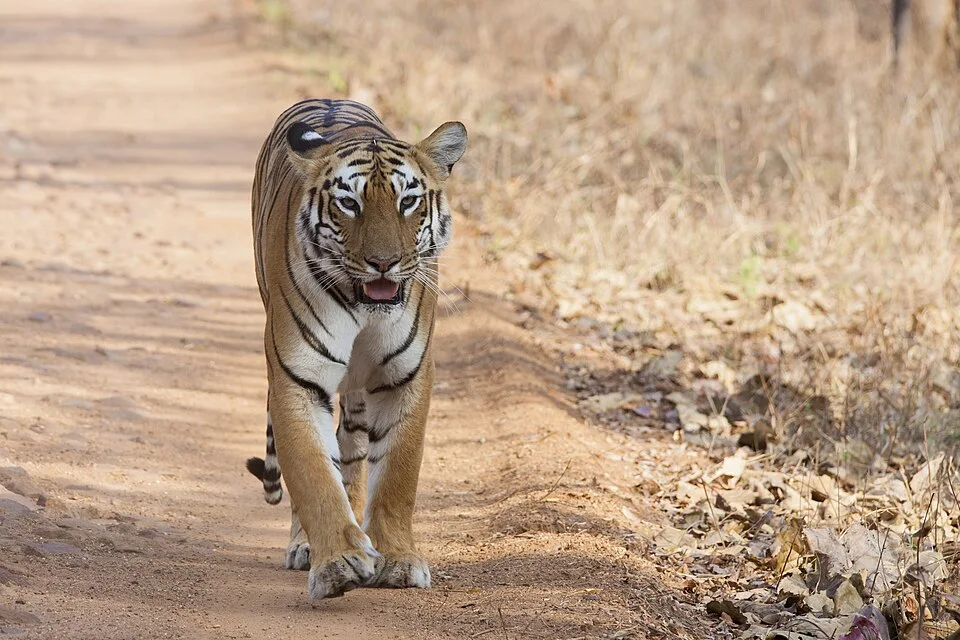
Tiger
Panthera tigris
Evidence from the profiles
Compare their characteristics
| Trait | Brewer's Yeast | Tiger |
|---|---|---|
| Nutrition | Data unavailable | Carnivorous Source ↗ |
| Social organization | Not applicable | Generally solitary Source ↗ |
| Physical traits | Vegetative cells are usually rounded to oval. Small buds grow from mother cells and remain attached until division is completed. | Dark stripes break up the tiger’s outline. Stripe patterns vary from one individual to another. |
| Habitat and range | Sugar-containing substrates and fermentation environments support suitable strains. Culture media reproduce only selected parts of these conditions. | Tigers live in varied habitats, including tropical forests, mangrove swamps and temperate forest. |
| Diet and nutrition | Sugars provide carbon and energy. Depending on conditions, metabolism includes respiration and fermentation that produces ethanol and carbon dioxide. | Tigers mainly hunt large mammals, including deer and wild pigs. |
| Behavior and activity | Growth responds to available nutrients and stress. Cells can alter their physiology as resources become depleted. | A tiger usually hunts by stalking its prey and attacking at close range. |
| Reproduction and life cycle | Budding increases cell number. Compatible haploid cells can mate; diploid cells can undergo meiosis and form spores under appropriate conditions. | Data unavailable |
| Geographic distribution | The yeast is maintained and transported worldwide. Fermentation strains do not describe the distribution of all wild populations. | Data unavailable |
| Ecological role | The yeast participates in communities on organic substrates and in managed fermentations. | Data unavailable |
| Distinctive adaptations | Flexible carbon metabolism and stress responses support life in changing sugar-rich environments. | Data unavailable |
Classification
Shared ancestry
Closest shared taxon: Opisthokonta.