 Living Beings
Compare species
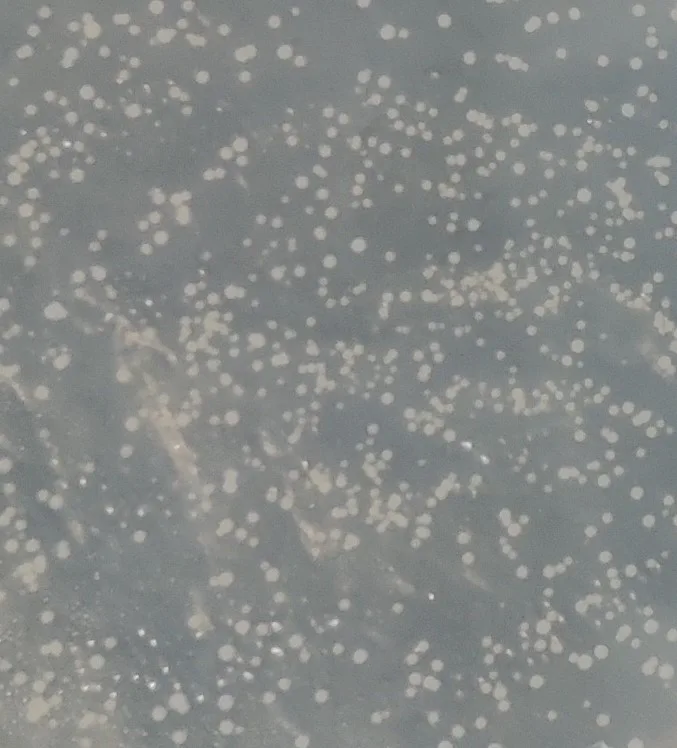
Brewer's Yeast
Saccharomyces cerevisiae
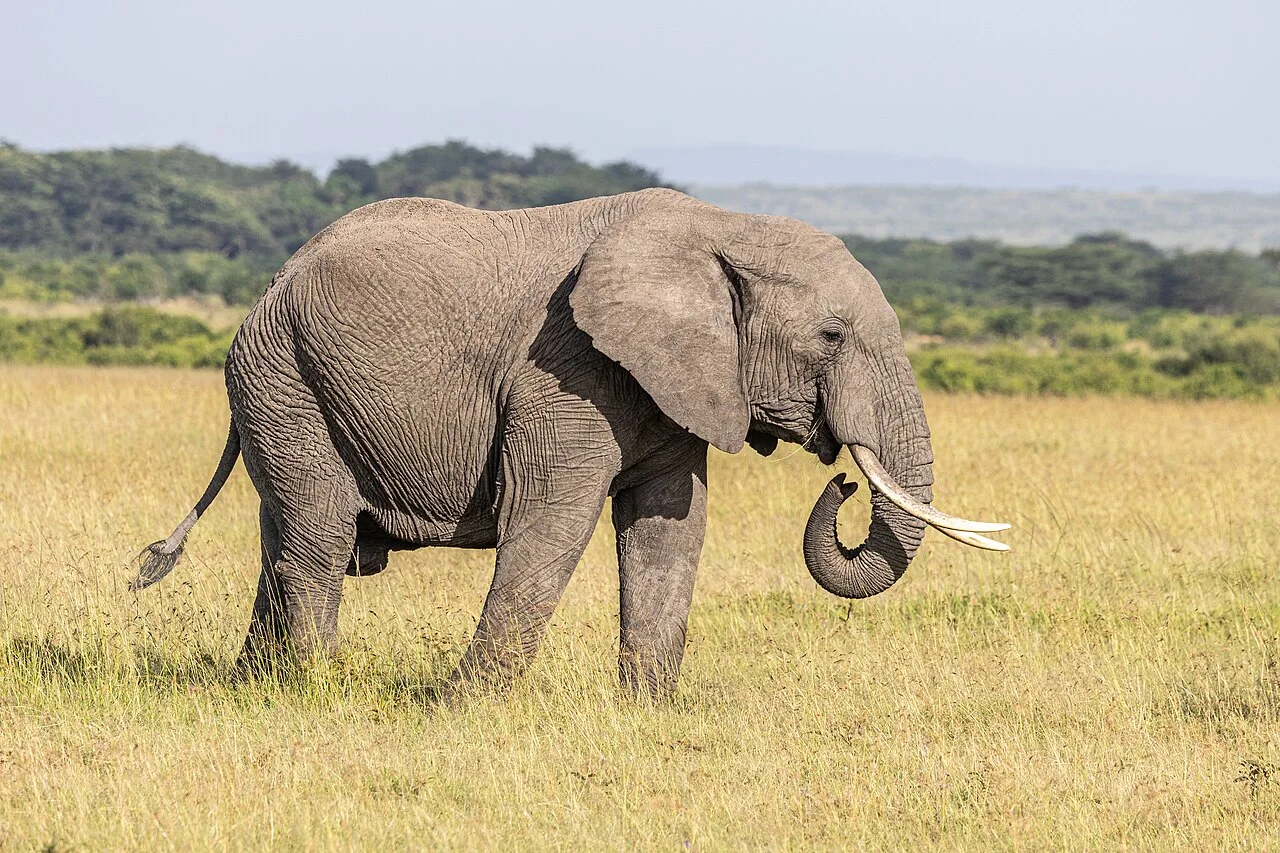
African Savanna Elephant
Loxodonta africana
How to compare two organisms
Choose two species and trace their closest shared group. Then compare a trait with the same definition on each side. Check the units, life stage and context before interpreting a measurement or range.
Missing data means that the collection lacks a sourced value. Where a characteristic does not apply to a lineage, the comparison labels it separately. Open the two profiles for context and follow their sources before drawing a conclusion.
Evidence from the profiles
Compare their characteristics
| Trait | Brewer's Yeast | African Savanna Elephant |
|---|---|---|
| Physical traits | Vegetative cells are usually rounded to oval. Small buds grow from mother cells and remain attached until division is completed. | Broad ears, a long trunk and column-like legs give the animal its familiar outline. The trunk tip has two finger-like projections. Both sexes can develop tusks. |
| Habitat and range | Sugar-containing substrates and fermentation environments support suitable strains. Culture media reproduce only selected parts of these conditions. | Savannas and open woodland provide a shifting mixture of browse, grass, shade and drinking water. Seasonal water availability influences the places that herds use. |
| Diet and nutrition | Sugars provide carbon and energy. Depending on conditions, metabolism includes respiration and fermentation that produces ethanol and carbon dioxide. | Grasses, leaves, bark and other plant material make up its diet. The trunk gathers food and moves it to the mouth. |
| Behavior and activity | Growth responds to available nutrients and stress. Cells can alter their physiology as resources become depleted. | Female relatives and their young form long-lasting social groups. Older females hold knowledge of familiar routes and resources; adult males have a different pattern of association. |
| Reproduction and life cycle | Budding increases cell number. Compatible haploid cells can mate; diploid cells can undergo meiosis and form spores under appropriate conditions. | Calves are born alive and depend on milk and extended social care. Learning from other elephants is an important part of growing up. |
| Geographic distribution | The yeast is maintained and transported worldwide. Fermentation strains do not describe the distribution of all wild populations. | Native to sub-Saharan Africa. This account follows the savanna-elephant species concept rather than treating all African elephants as one species. |
| Ecological role | The yeast participates in communities on organic substrates and in managed fermentations. | Feeding and movement alter vegetation, and dung transfers seeds and nutrients. Habitat fragmentation and killing for ivory threaten populations. |
| Distinctive adaptations | Flexible carbon metabolism and stress responses support life in changing sugar-rich environments. | Data unavailable |
Classification
Shared ancestry
Closest shared taxon: Opisthokonta.