 Living Beings
Compare species
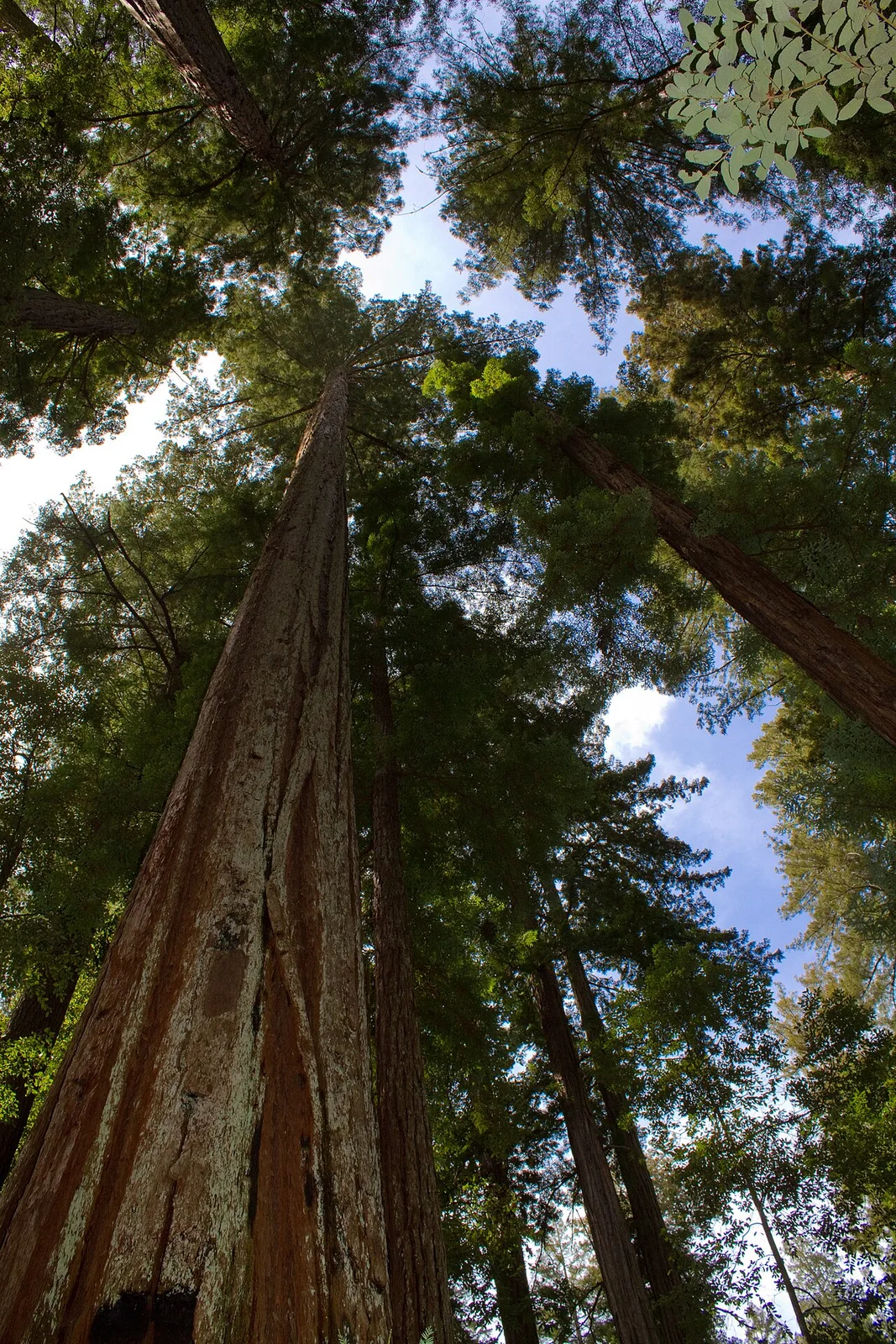
Coast Redwood
Sequoia sempervirens
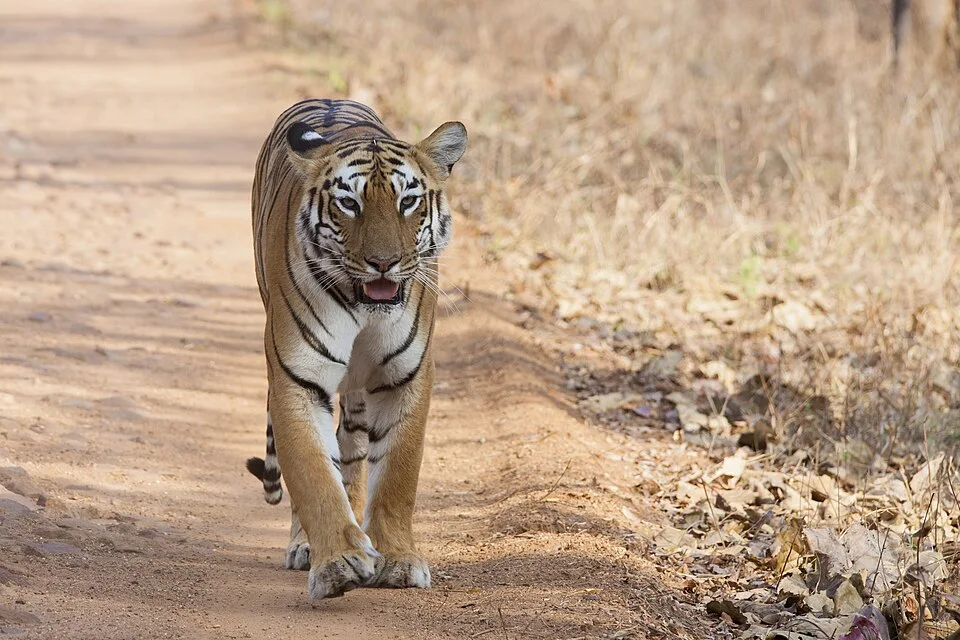
Tiger
Panthera tigris
Evidence from the profiles
Compare their characteristics
| Trait | Coast Redwood | Tiger |
|---|---|---|
| Nutrition | Data unavailable | Carnivorous Source ↗ |
| Social organization | Not applicable | Generally solitary Source ↗ |
| Physical traits | A tall trunk bears fibrous reddish bark and a crown of needle-like foliage. Small woody cones distinguish it as a seed-bearing conifer rather than a flowering tree. | Dark stripes break up the tiger’s outline. Stripe patterns vary from one individual to another. |
| Habitat and range | Sheltered valleys, stream corridors and moist coastal slopes support redwood forest. Site moisture strongly influences growth. | Tigers live in varied habitats, including tropical forests, mangrove swamps and temperate forest. |
| Diet and nutrition | Foliage captures light for photosynthesis. Roots draw water and dissolved nutrients from the soil. | Tigers mainly hunt large mammals, including deer and wild pigs. |
| Behavior and activity | Data unavailable | A tiger usually hunts by stalking its prey and attacking at close range. |
| Reproduction and life cycle | Seeds released from cones can establish seedlings. New shoots can also arise from the root crown or dormant buds, so regeneration is not limited to seeds. | Data unavailable |
| Geographic distribution | Its natural range follows coastal northern and central California into southwestern Oregon. Planted redwoods occur well outside that range. | Data unavailable |
| Ecological role | Large living trees and fallen wood create persistent forest structure and varied habitats. | Data unavailable |
| Distinctive adaptations | Thick bark and the ability to sprout can aid survival or recovery after disturbance. These traits do not make redwoods immune to severe fire. | Data unavailable |
Classification
Shared ancestry
Closest shared taxon: Eukaryota.