 Living Beings
Compare species
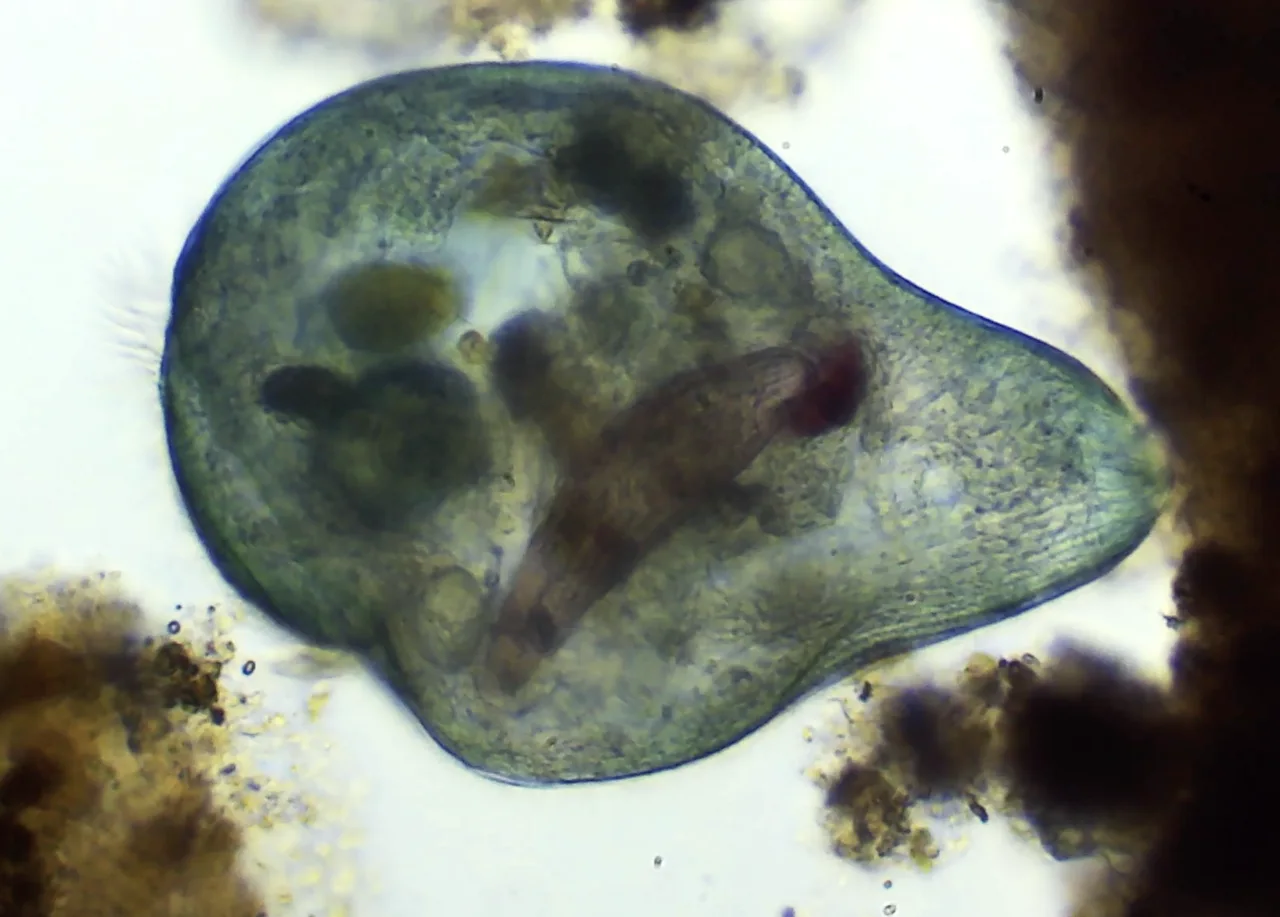
Stentor coeruleus
Stentor coeruleus
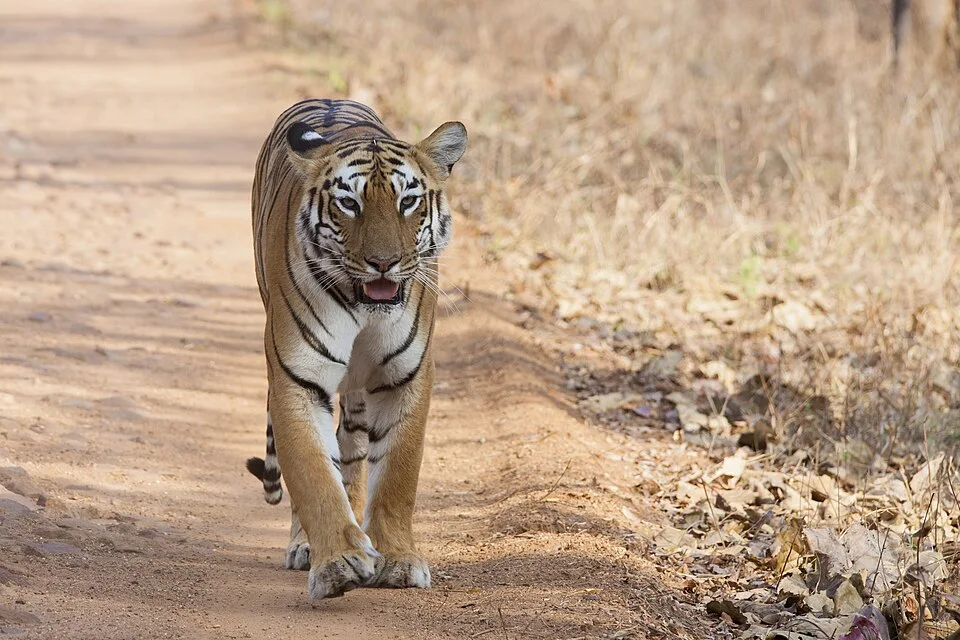
Tiger
Panthera tigris
Evidence from the profiles
Compare their characteristics
| Trait | Stentor coeruleus | Tiger |
|---|---|---|
| Nutrition | Data unavailable | Carnivorous Source ↗ |
| Social organization | Not applicable | Generally solitary Source ↗ |
| Physical traits | An extended cell has a pronounced front-to-back organization and a broad oral region. A contracted cell looks very different; the photograph shows a contracted individual with ingested material. | Dark stripes break up the tiger’s outline. Stripe patterns vary from one individual to another. |
| Habitat and range | The cited studies concern cultured ciliates and controlled experiments. They do not establish a complete geographic distribution or natural lifespan. | Tigers live in varied habitats, including tropical forests, mangrove swamps and temperate forest. |
| Diet and nutrition | Food is taken into the cell rather than produced by green-plant photosynthesis. Its feeding apparatus is a specialized region of the same single cell. | Tigers mainly hunt large mammals, including deer and wild pigs. |
| Behavior and activity | Experiments document contraction in response to touch, light avoidance and food selection. These responses do not require a multicellular nervous system. | A tiger usually hunts by stalking its prey and attacking at close range. |
| Reproduction and life cycle | Growth and cell division maintain the population. Regeneration after experimental injury is repair and reorganization, not an extra animal-like life stage. | Data unavailable |
| Ecological role | Its interactions with microbial food illustrate the complexity of unicellular life. | Data unavailable |
| Distinctive adaptations | After suitable experimental damage, remaining cell material can restore a proportioned form. This ability has made it valuable for studying how cells know where to build structures. | Data unavailable |
Classification
Shared ancestry
Closest shared taxon: Eukaryota.