 Living Beings
Compare species
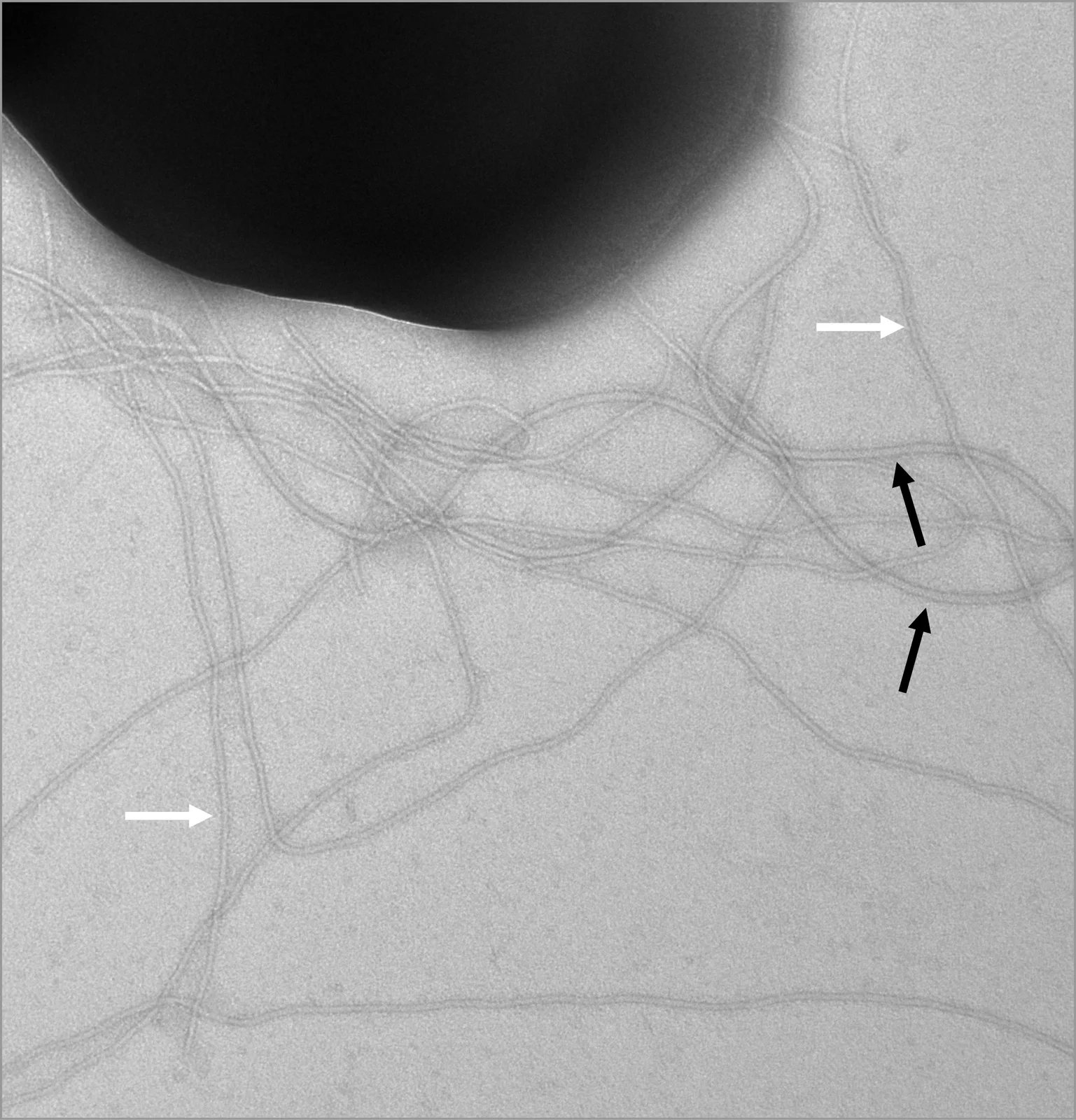
Sulfolobus acidocaldarius
Sulfolobus acidocaldarius
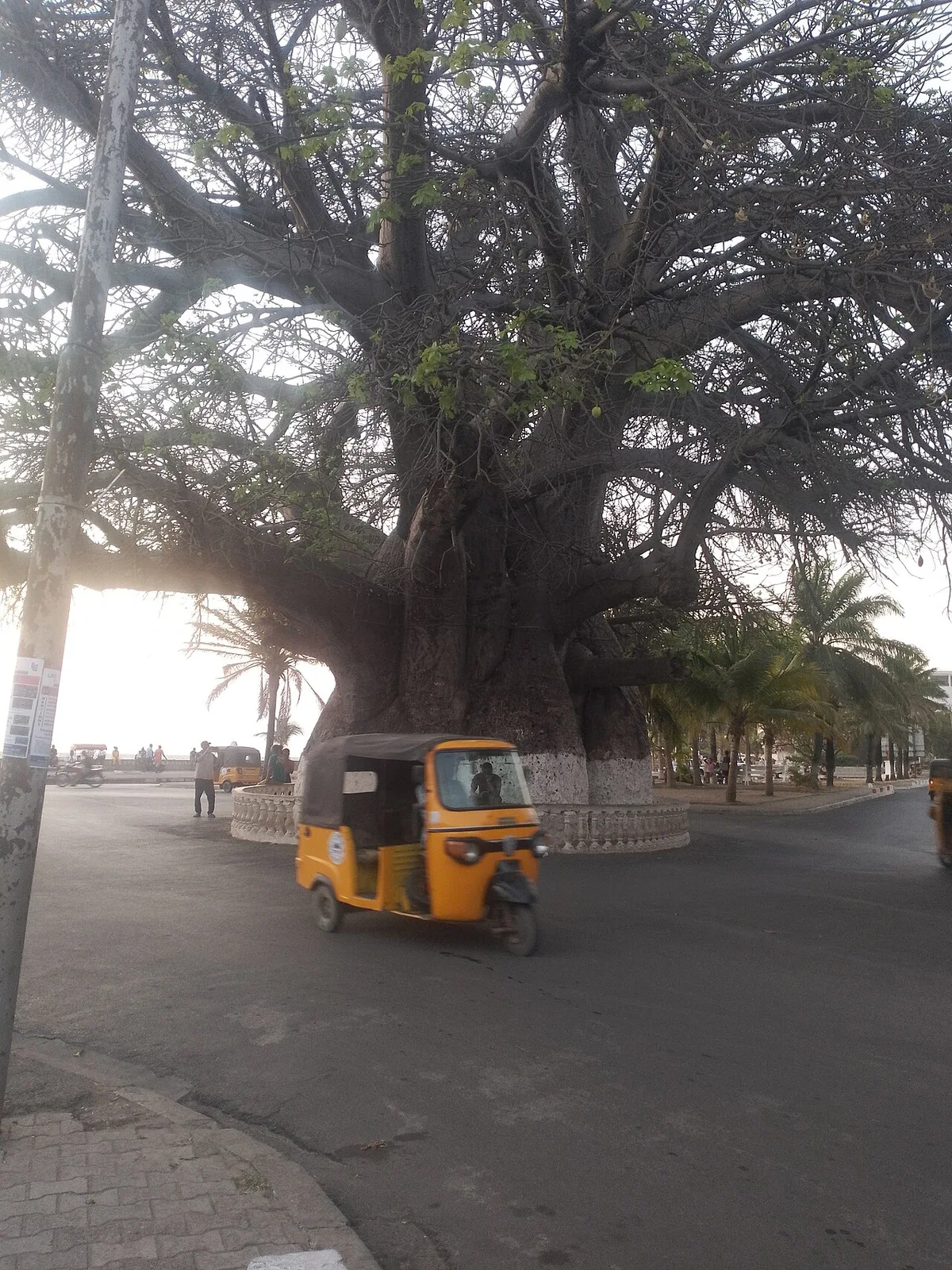
African Baobab
Adansonia digitata
Evidence from the profiles
Compare their characteristics
| Trait | Sulfolobus acidocaldarius | African Baobab |
|---|---|---|
| Physical traits | Cells have small, irregular rounded outlines. Surface structures participate in interactions with the surrounding environment. | Thick, fibrous bark surrounds a broad trunk. Each compound leaf has several leaflets radiating from a central point. |
| Habitat and range | The genome study describes an aerobic thermoacidophile from terrestrial solfataric springs, with optimal growth around 80 °C and pH 2. Temperature and acidity are separate features of this habitat. The organism is adapted to both, whereas many other archaea occupy environments that are neither hot nor strongly acidic. | A terrestrial tree of tropical Africa, it is adapted to seasonally dry conditions and is also planted in gardens and settlements. |
| Diet and nutrition | Energy and carbon use depend on available substrates. The organism is studied under oxygen-containing, hot and acidic culture conditions. | Leaves produce sugars through photosynthesis. Water and mineral nutrients are taken up through the roots. |
| Behavior and activity | Temperature affects motility and population distribution in experimental work, illustrating an active environmental response. | Data unavailable |
| Reproduction and life cycle | Chromosome replication and cell division sustain populations. Its relatively stable reference genome contrasts with the more mobile-element-rich genome of some relatives. | Large, hanging white flowers develop into capsules containing seeds embedded in pale, powdery pulp. New trees can be grown from seed. |
| Geographic distribution | Authenticated hot-spring isolates and cultures document occurrence. Not every acidic spring contains the same species or strain. | Native to Africa and cultivated elsewhere. The accompanying photograph shows a planted specimen in Madagascar; that location should not be confused with the native range of every baobab species. |
| Ecological role | The archaeon participates in specialized geothermal microbial communities. | Its flowers, fruit and extensive woody structure provide biological resources. The familiar name baobab also applies to other species, which should not be confused with this one. |
| Distinctive adaptations | Cellular machinery functions under combined heat and acidity; these are properties of this lineage, not all Archaea. | A substantial trunk and drought-resistant growth form help distinguish this tree from many humid-forest trees. |
Classification
Shared ancestry
Closest shared taxon: cellular organisms.