 Living Beings
Compare species
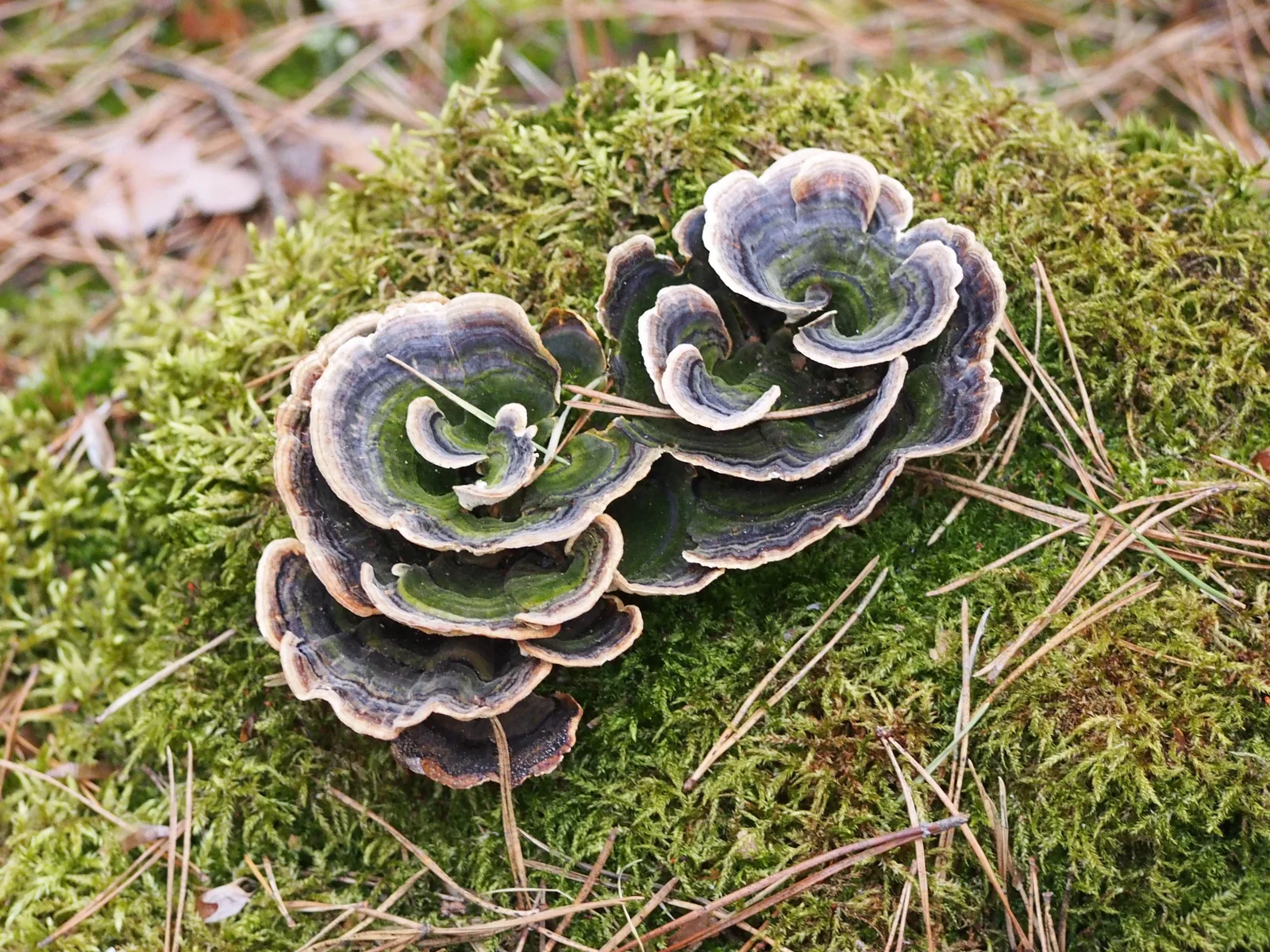
Turkey Tail
Trametes versicolor
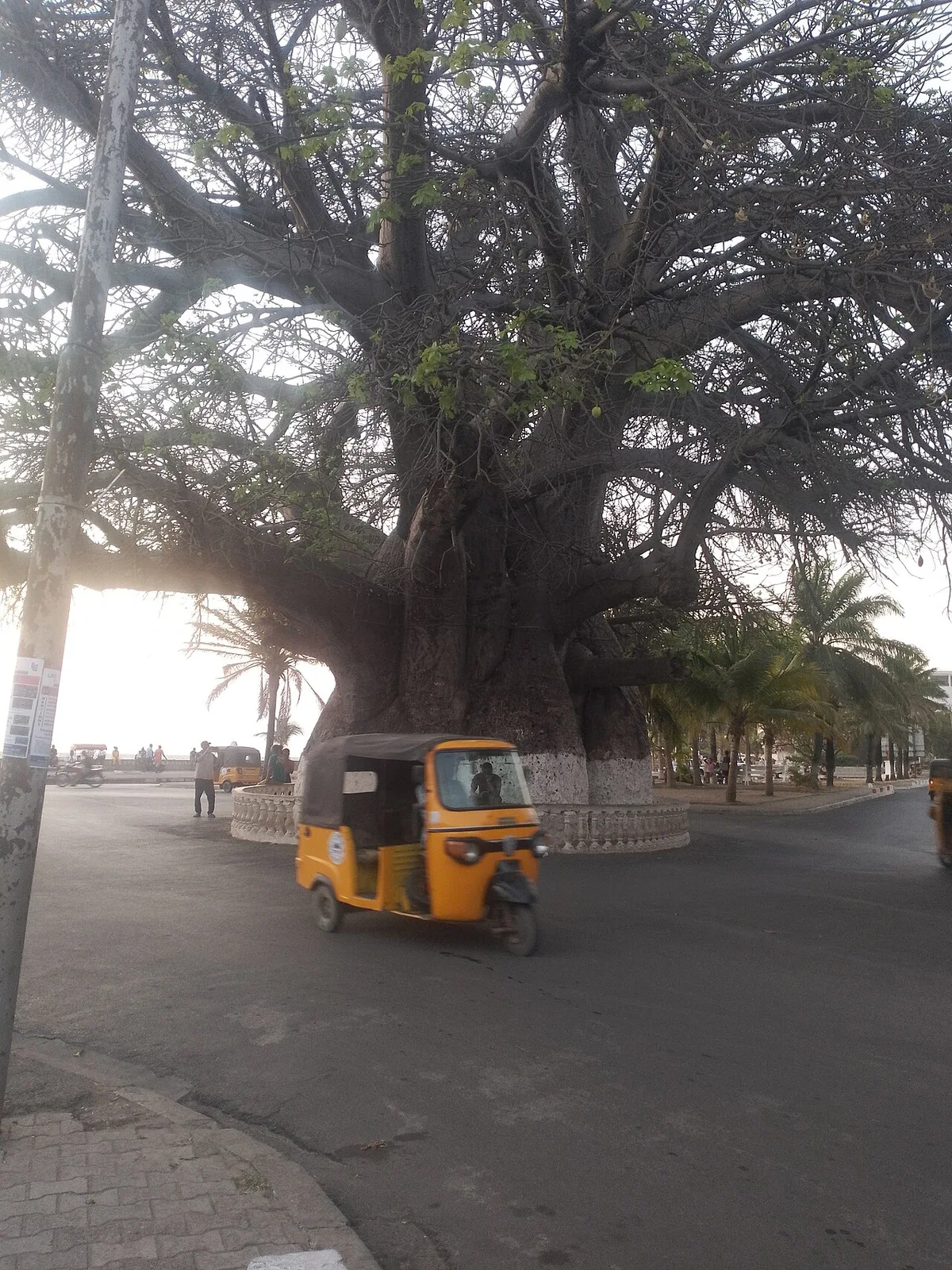
African Baobab
Adansonia digitata
How to compare two organisms
Choose two species and trace their closest shared group. Then compare a trait with the same definition on each side. Check the units, life stage and context before interpreting a measurement or range.
Missing data means that the collection lacks a sourced value. Where a characteristic does not apply to a lineage, the comparison labels it separately. Open the two profiles for context and follow their sources before drawing a conclusion.
Evidence from the profiles
Compare their characteristics
| Trait | Turkey Tail | African Baobab |
|---|---|---|
| Physical traits | Fan-shaped brackets show concentric color zones. Small pores on the underside distinguish the spore-bearing surface from a gilled mushroom. | Thick, fibrous bark surrounds a broad trunk. Each compound leaf has several leaflets radiating from a central point. |
| Habitat and range | Dead woody substrates provide both a growth surface and food. Fruiting brackets reveal only part of the mycelium within the wood. | A terrestrial tree of tropical Africa, it is adapted to seasonally dry conditions and is also planted in gardens and settlements. |
| Diet and nutrition | Extracellular enzymes act on wood components. Studies have isolated lignin- and manganese-related peroxidase activities from this fungus. | Leaves produce sugars through photosynthesis. Water and mineral nutrients are taken up through the roots. |
| Behavior and activity | Hyphae spread through a substrate while brackets expose the reproductive surface to the surrounding air. | Data unavailable |
| Reproduction and life cycle | Basidiospores are produced on the pore surface. Compatible fungal growth can establish a mycelium that later fruits. | Large, hanging white flowers develop into capsules containing seeds embedded in pale, powdery pulp. New trees can be grown from seed. |
| Geographic distribution | The species is widely recorded, but local identification should distinguish similar bracket fungi. | Native to Africa and cultivated elsewhere. The accompanying photograph shows a planted specimen in Madagascar; that location should not be confused with the native range of every baobab species. |
| Ecological role | White-rot decomposition returns elements from wood to the wider ecosystem. | Its flowers, fruit and extensive woody structure provide biological resources. The familiar name baobab also applies to other species, which should not be confused with this one. |
| Distinctive adaptations | A specialized enzyme repertoire supports use of chemically resistant woody material. | A substantial trunk and drought-resistant growth form help distinguish this tree from many humid-forest trees. |
Classification
Shared ancestry
Closest shared taxon: Eukaryota.
Sources from both profiles
Turkey Tail
- Trametes versicolor · NCBI Taxonomy ↗
- Isozymes of lignin peroxidase and manganese(II) peroxidase from the white-rot basidiomycete Trametes versicolor. I. Isolation of enzyme forms and characterization of physical and catalytic properties ↗
- Trametes versicolor — US Department of Energy Joint Genome Institute ↗