 Living Beings
Compare species
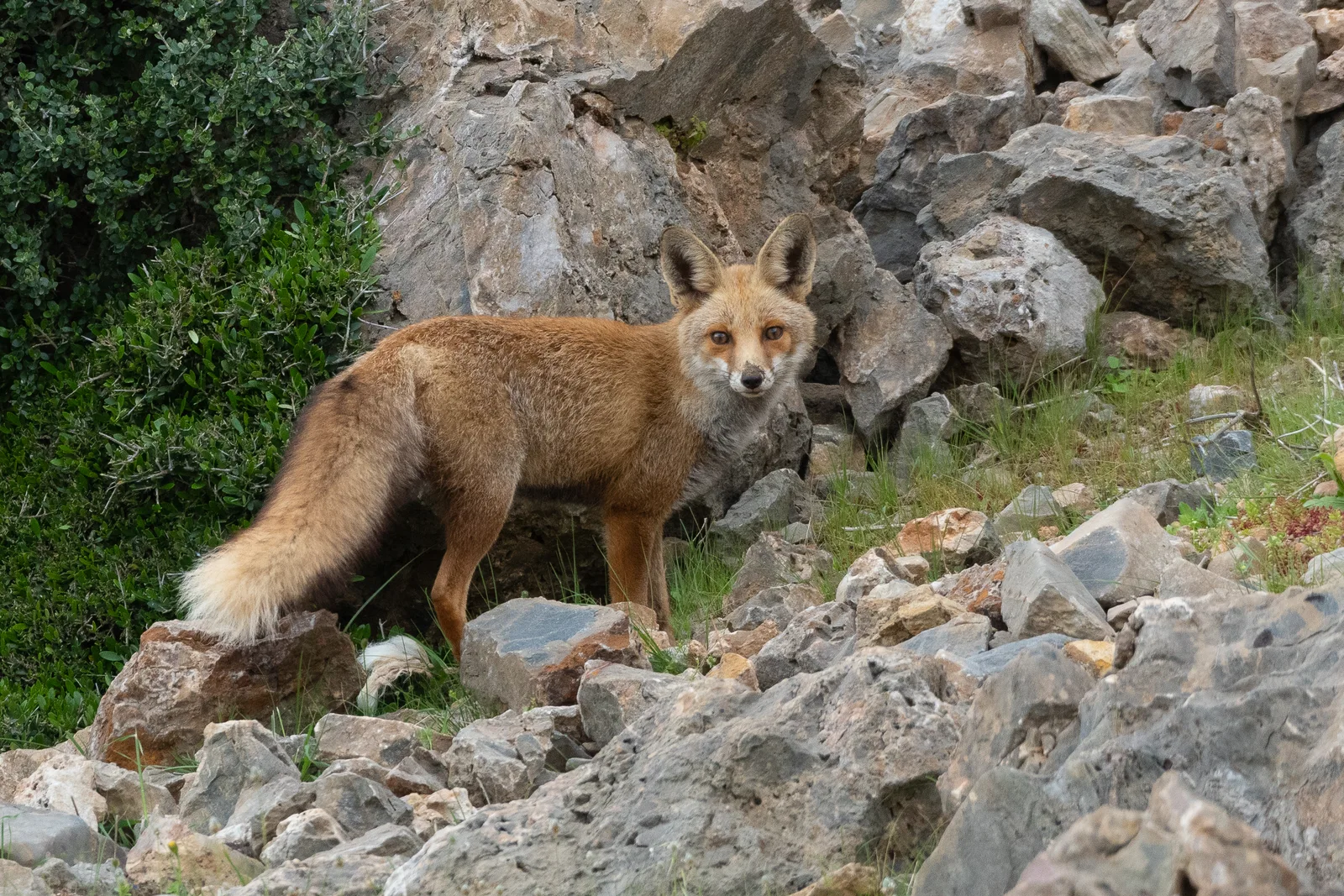
Red Fox
Vulpes vulpes
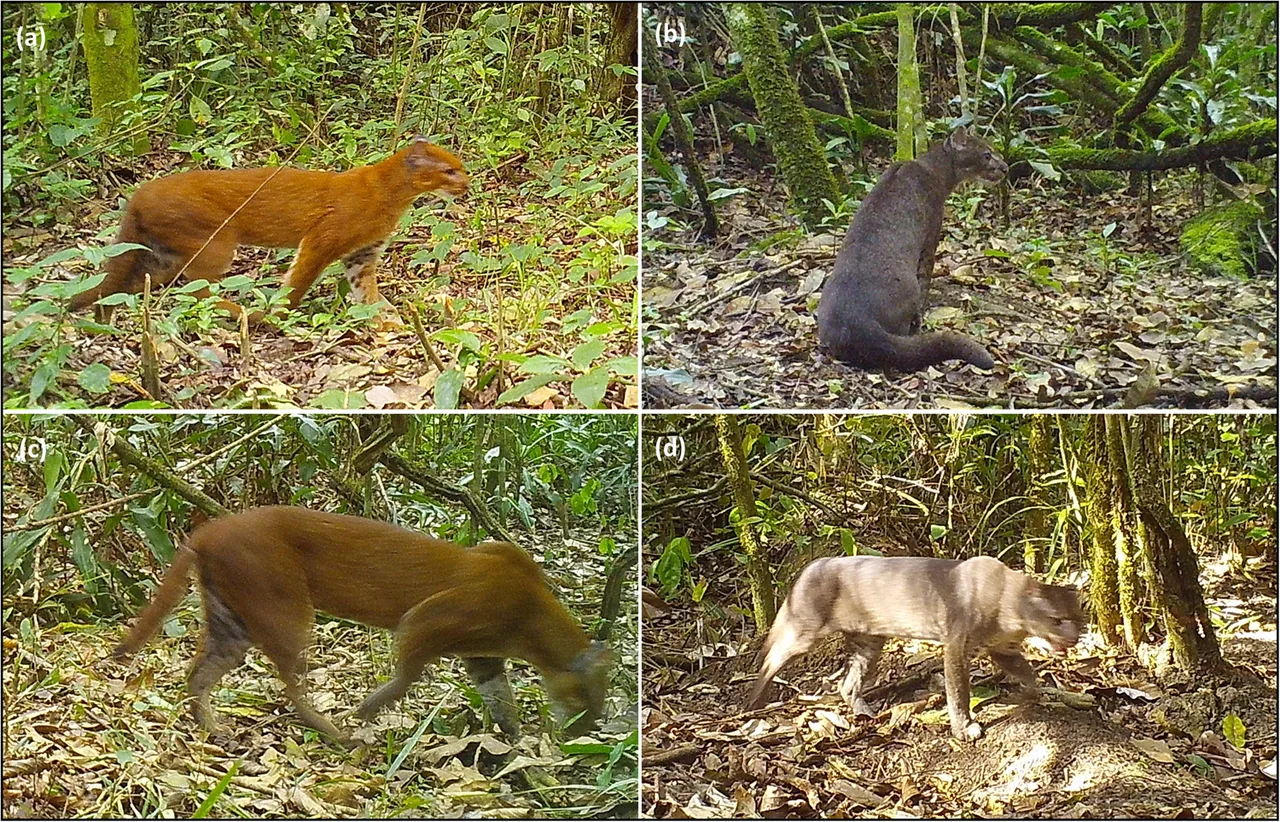
African Golden Cat
Caracal auratus
Evidence from the profiles
Compare their characteristics
| Trait | Red Fox | African Golden Cat |
|---|---|---|
| Physical traits | A reddish coat is familiar, but dark and pale color forms occur. The long tail and relatively narrow muzzle help distinguish its silhouette. | The body is robust and the coat varies between reddish and grayish forms. Spotting can be more visible on some parts of the body. |
| Habitat and range | Foxes use cover for resting and open areas for foraging. Farmland and some urban environments can provide both. | Dense African forest and secondary growth provide cover and hunting habitat. |
| Diet and nutrition | Small mammals are important food, alongside insects, fruit and other available resources. | Rodents and other forest mammals are important prey. Birds and additional small animals may also be taken. |
| Behavior and activity | Foraging is often solitary. Foxes cache food and use scent and vocal signals to communicate. | It is generally solitary and difficult to observe in dense cover. Sparse observations should not be treated as a complete account of its daily behavior. |
| Reproduction and life cycle | Young develop in a den and depend on adults for food and protection before dispersing. | Data unavailable |
| Geographic distribution | The species occurs across much of the Northern Hemisphere and has been introduced elsewhere, including Australia. Native and introduced populations should be distinguished. | The Mammal Diversity Database v2.5 records this species in Angola, Cameroon, Central African Republic, Cote d'Ivoire, Democratic Republic of the Congo, Equatorial Guinea, Gabon, Ghana, Guinea, Liberia, Nigeria, Republic of the Congo, Sierra Leone, Uganda, Benin?, Burundi?, Gambia?, Guinea-Bissau?, Kenya?, Rwanda?, Senegal?, Sudan?, Togo?. |
| Ecological role | Red foxes act as predators, scavengers and consumers of fruit. Introduced populations can affect native wildlife. | Data unavailable |
| Distinctive adaptations | Acute hearing helps locate small prey; dietary flexibility supports survival in changing environments. | Data unavailable |
| Conservation | Population condition differs by region. Being widespread does not remove the need to assess local pressures or impacts in introduced ranges. | Data unavailable |
Classification
Shared ancestry
Closest shared taxon: Carnivora.
Explore the taxonomy ↗