Living Beings

 Framed for display
Species · Canis
Gray Wolf
Canis lupus
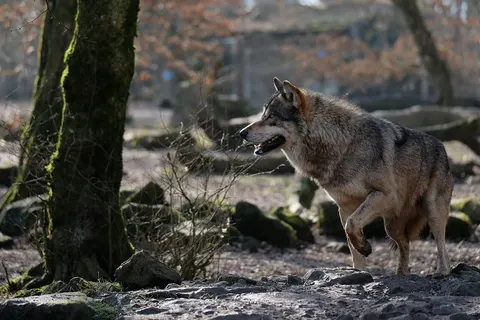
Gray wolves are social canids whose family groups coordinate travel, defense and the care of young. Their behavior is flexible: prey, terrain …
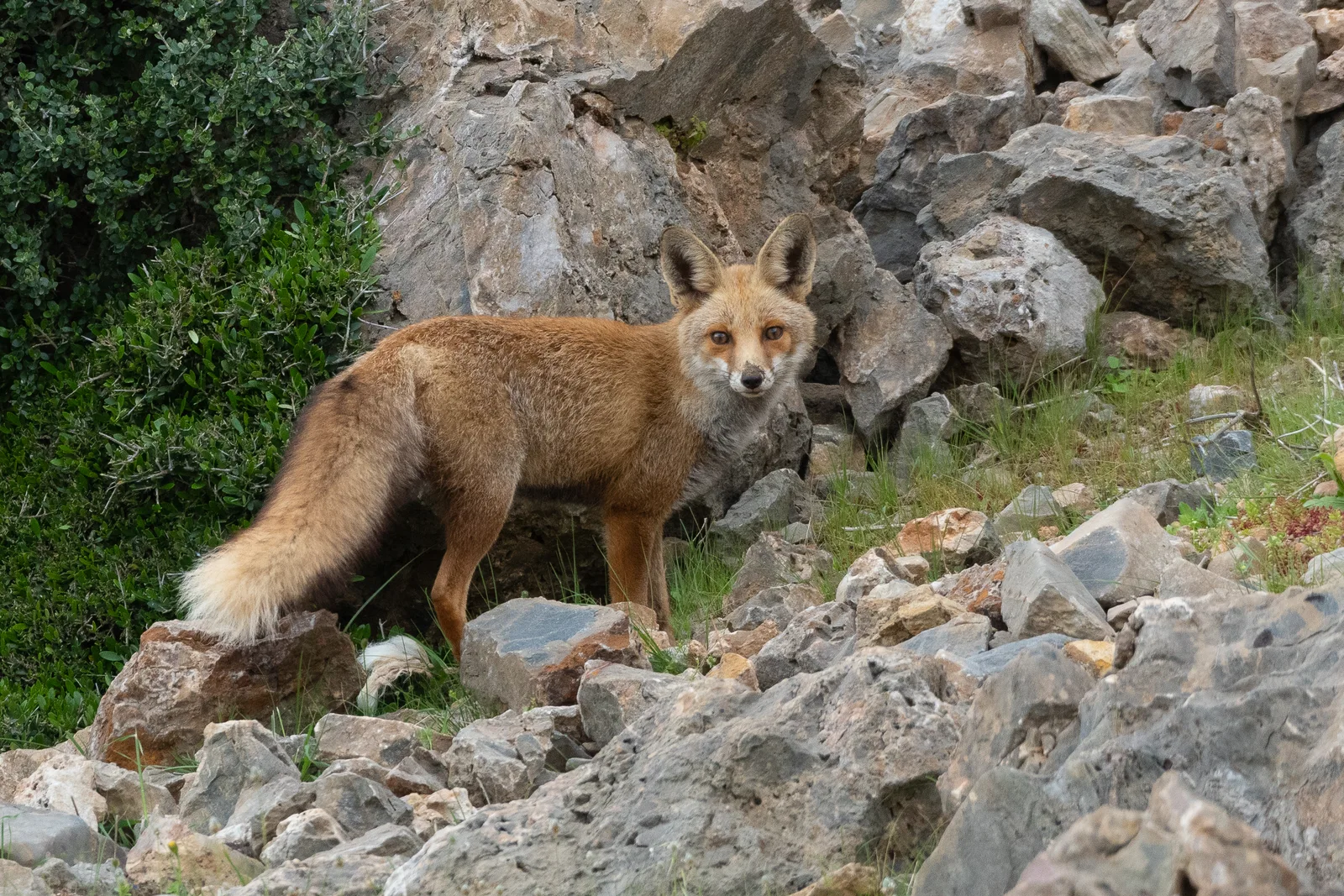
Renard roux Ichkeul.jpg · Resized and converted to WebP for display. Identification awaits editorial review. AI-generated illustration. El Golli Mohamed · CC BY-SA 4.0
Field guide · species
Vulpes vulpes (Linnaeus, 1758)
The red fox is a small canid with a pointed muzzle, large ears and a conspicuous tail. Its flexible feeding habits help it live in woodland, open country and landscapes altered by people.
Public research profile · final editorial review pending.
Complete source lineage, including intermediate ranks. The standard view uses Life and the eight principal ranks.
A reddish coat is familiar, but dark and pale color forms occur. The long tail and relatively narrow muzzle help distinguish its silhouette.
Foxes use cover for resting and open areas for foraging. Farmland and some urban environments can provide both.
Small mammals are important food, alongside insects, fruit and other available resources.
Foraging is often solitary. Foxes cache food and use scent and vocal signals to communicate.
Young develop in a den and depend on adults for food and protection before dispersing.
The species occurs across much of the Northern Hemisphere and has been introduced elsewhere, including Australia. Native and introduced populations should be distinguished.
Red foxes act as predators, scavengers and consumers of fruit. Introduced populations can affect native wildlife.
Acute hearing helps locate small prey; dietary flexibility supports survival in changing environments.
Population condition differs by region. Being widespread does not remove the need to assess local pressures or impacts in introduced ranges.
Shared classification
Framed for display
Canis lupus
Gray wolves are social canids whose family groups coordinate travel, defense and the care of young. Their behavior is flexible: prey, terrain …
 Framed for display
Vulpes lagopus
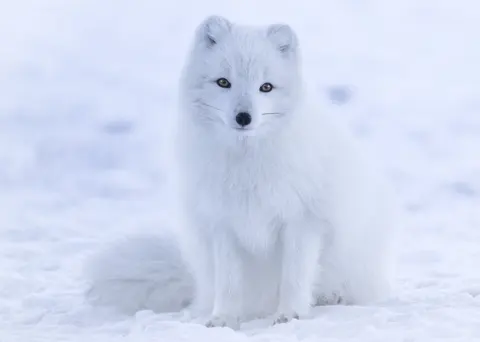
The Arctic fox is a small northern canid adapted to cold, open landscapes. Dense fur, compact ears and fur-covered feet help it …
 Framed for display
Canis aureus
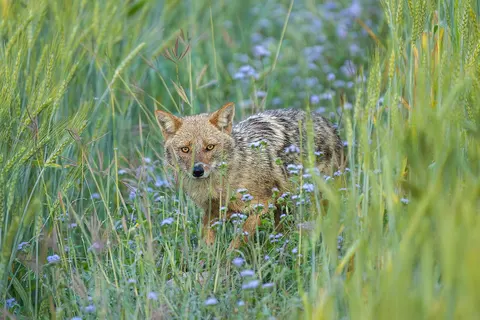
The golden jackal is an adaptable canid whose common name has historically been applied too broadly. This account uses the current linked …
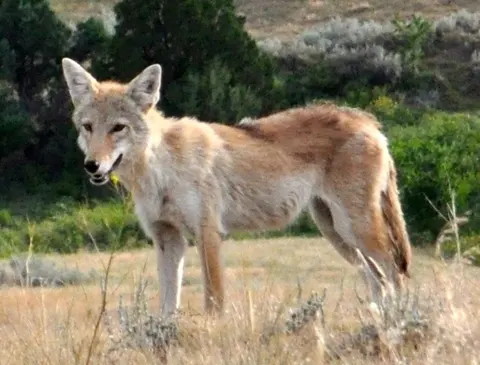 Framed for display
Canis latrans
The coyote is an adaptable North American canid that can live in natural and human-modified landscapes. Its success reflects flexible food use …
Evidence
Connected life
No reviewed ecological connections in the collection yet.
Explore network ↗