 Living Beings
Compare species
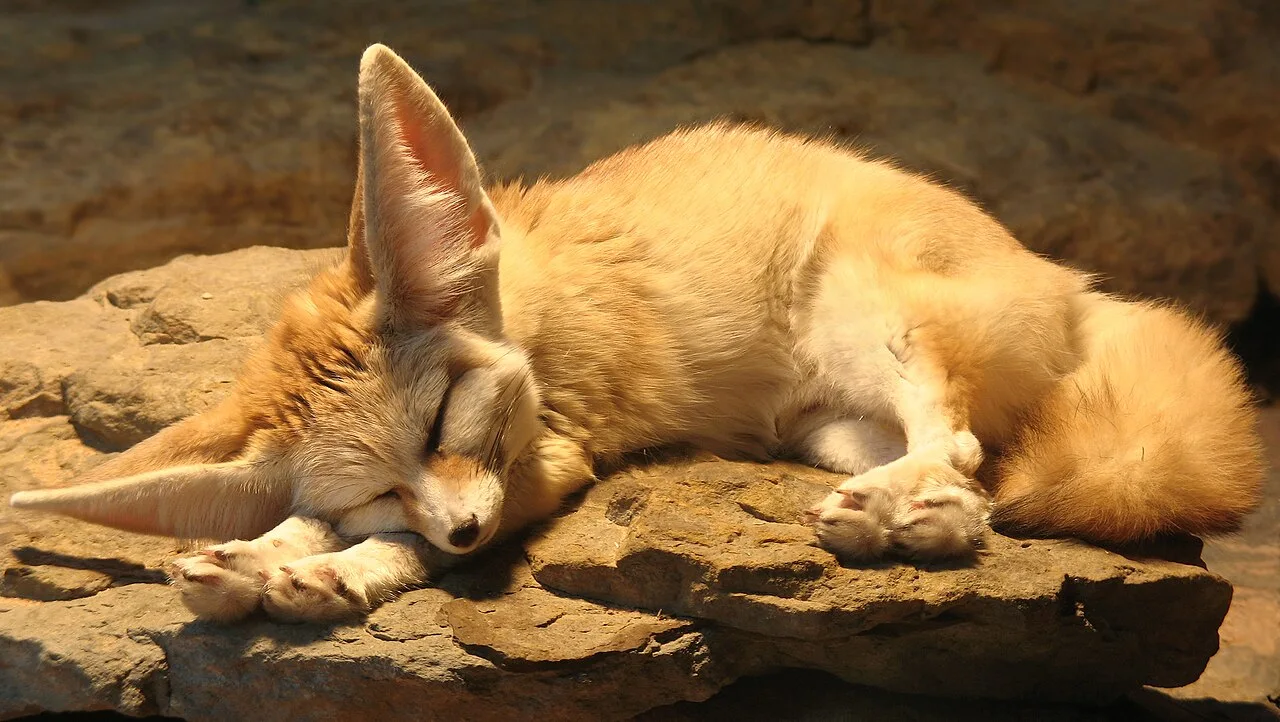
Fennec Fox
Vulpes zerda
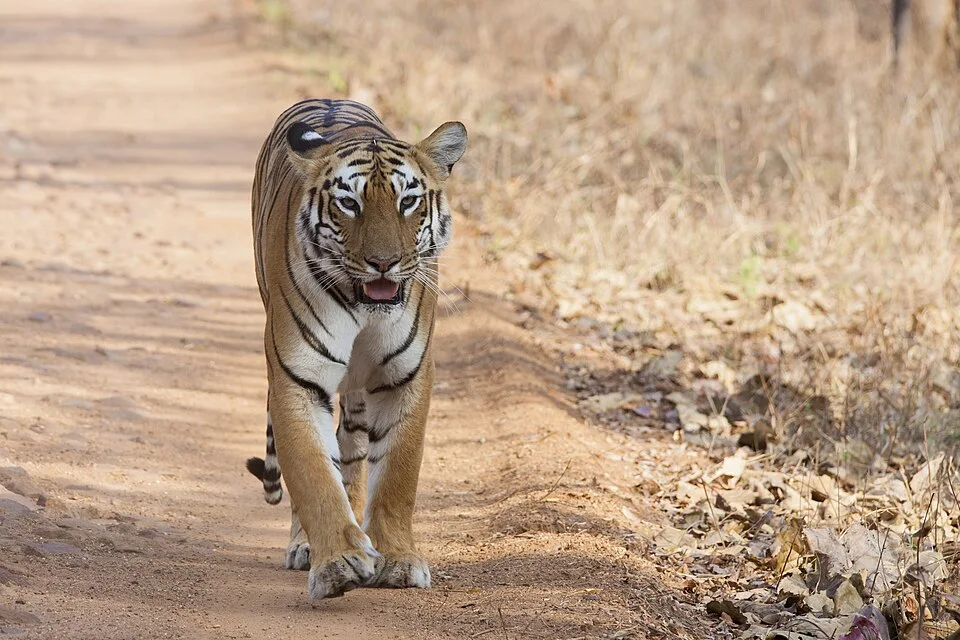
Tiger
Panthera tigris
Evidence from the profiles
Compare their characteristics
| Trait | Fennec Fox | Tiger |
|---|---|---|
| Nutrition | Data unavailable | Carnivorous Source ↗ |
| Social organization | Data unavailable | Generally solitary Source ↗ |
| Physical traits | Large ears, pale fur and a small body make its appearance distinctive. | Dark stripes break up the tiger’s outline. Stripe patterns vary from one individual to another. |
| Habitat and range | Sandy, arid habitats with suitable digging ground and some food-producing vegetation provide habitat. | Tigers live in varied habitats, including tropical forests, mangrove swamps and temperate forest. |
| Diet and nutrition | Small animals, insects and plant material contribute to a flexible diet. Digging helps expose concealed foods. | Tigers mainly hunt large mammals, including deer and wild pigs. |
| Behavior and activity | Family groups use burrows for refuge. Activity is concentrated in cooler periods, reducing exposure to demanding daytime conditions. | A tiger usually hunts by stalking its prey and attacking at close range. |
| Geographic distribution | The Mammal Diversity Database v2.5 records this species in Algeria, Chad, Egypt, Libya, Mali, Mauritania, Morocco, Niger, Sudan, Tunisia. | Data unavailable |
Classification
Shared ancestry
Closest shared taxon: Carnivora.
Explore the taxonomy ↗