 Living Beings

 Framed for display
Species · Herpailurus
Jaguarundi
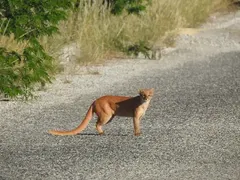
Herpailurus yagouaroundi
Camera traps recorded the slender jaguarundi mainly by day in forests where ocelots were usually detected at night.
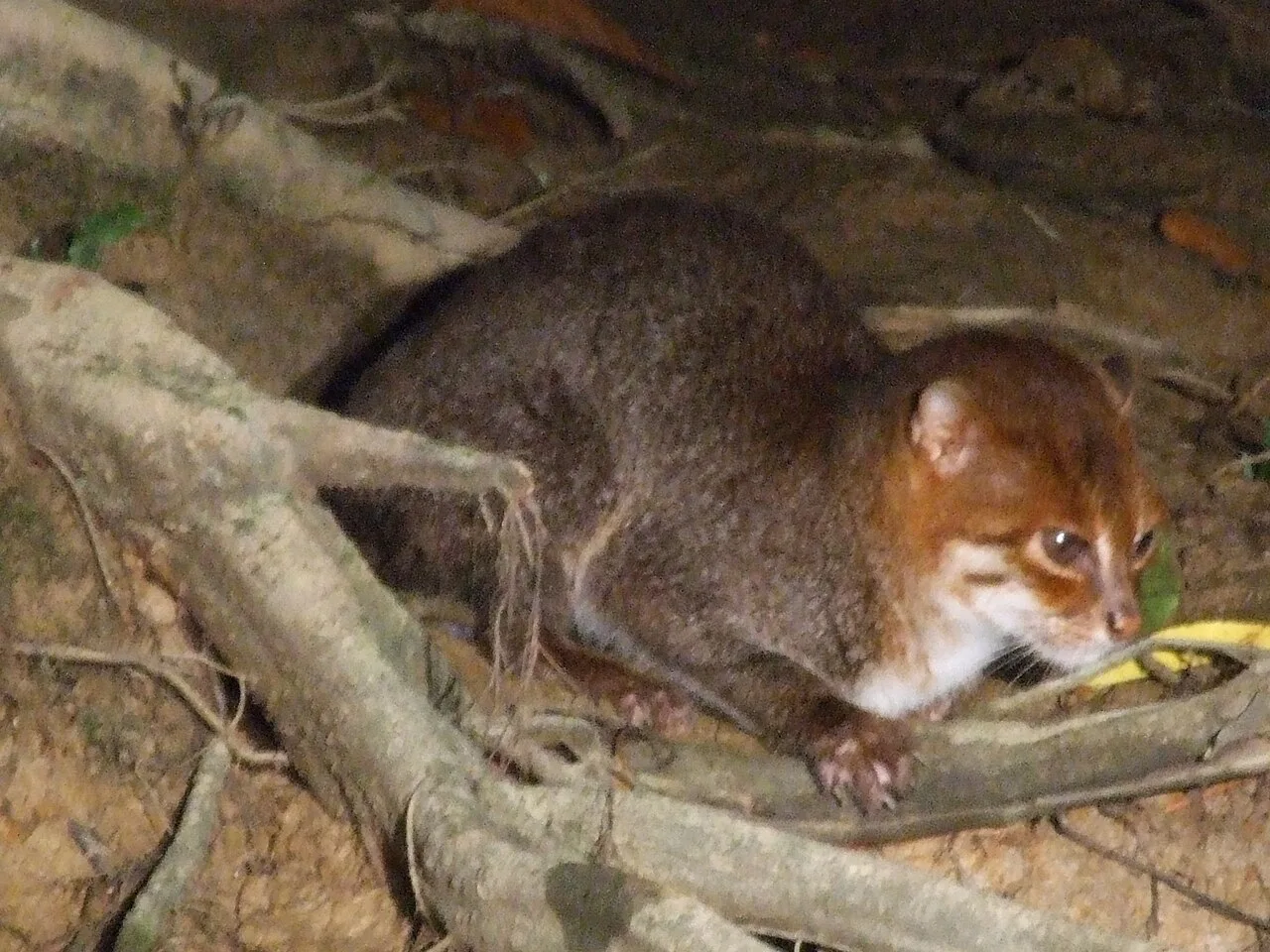
Prionailurus planiceps 121002450.jpg · Resized and converted to WebP for display. Thibaud Aronson · CC BY-SA 4.0
Field guide · species
Prionailurus planiceps
The flat-headed cat is a small Southeast Asian felid associated with freshwater environments. Its unusual head shape and wetland feeding ecology set it apart from many other small cats.
A relatively flattened head, small rounded ears and short tail are distinctive.
Lowland forest near streams, rivers and other freshwater habitats provides important feeding opportunities.
Occurrence-based modeling associated many flat-headed cat records with lowland wetlands and areas close to water. A model describes the conditions shared by known locations and estimates where similar conditions occur. Sparse records limit what it can establish about occupancy or population size.
Scientific source 1 ↗ · Scientific source 2 ↗ · Scientific source 3 ↗
Fish and other aquatic or waterside animals are reported foods. The available evidence is more limited than for many better-studied cats.
Many behavioral descriptions rely on scattered records or managed animals. The species’ association with water is better established than a detailed universal daily schedule.
The Mammal Diversity Database v2.5 records this species in Brunei, Indonesia, Malaysia, Thailand.
Protecting a wetland corridor and protecting forest area in general can have different consequences for an animal tied to water. The study assessed the species’ records alongside habitat loss. Its maps help direct surveys toward under-sampled places, where field observations are still needed.
Shared classification
Framed for display
Herpailurus yagouaroundi
Camera traps recorded the slender jaguarundi mainly by day in forests where ocelots were usually detected at night.
 Framed for display
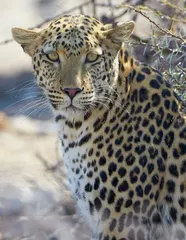
Panthera pardus
Rosettes, a muscular body and an unusually flexible choice of habitat distinguish the leopard. This solitary cat hunts from cover and can …
 Framed for display
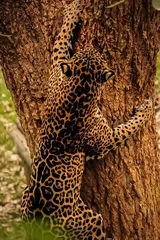
Panthera onca
The jaguar is the largest living cat native to the Americas. Its stocky build, broad head and rosetted coat suit an ambush …
 Framed for display
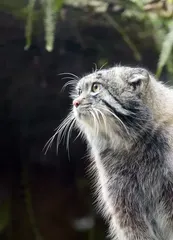
Otocolobus manul
Pallas’s cat is a compact-looking wild cat of Asian steppe and rocky landscapes. Its dense coat can make it look heavier than …
Evidence
Connected life
No reviewed ecological connections in the collection yet.